EP045: Listener Submission – Technician vs Artist
Technician Vs Artist: A Nuanced Discussion
In this episode of The Offset Podcast, we’re exploring another viewer/listener submitted question – this time from a viewer named Camilo.
Camilo asks about the balance as a colorist of being a technician vs an artist. Thanks Camilo for the topic – it’s a deep one!
Specifics topics we explore in this episode include:
- Color grading IS technical, but its ALSO very creative. Most colorists aren’t exclusively one or the other
- How you got into post/color plays a large role in how you see yourself and others seen you
- How you can fill your technical/creative gaps with conceptual thinking
- The colorist as a fulcrum in a creative/technical seesaw
- How the pressures of having to ‘invent images’ vs respecting photography brings technician vs artistry to the forefront
- How video/film projects have less diversity of approach than other artistic mediums
- The power of experimental projects
- Learning to understand your own personal strengths
LIKE THE SHOW?
If you like The Offset Podcast, we’d love it if you could do us a big favor. It’d help a lot if you could like and rate the show on Apple Podcasts, Spotify, YouTube, or wherever you listen/watch the show.
Also if you liked this show consider support the podcast by buying us a cup of coffee. – https://buymeacoffee.com/theoffsetpodcast
Thanks as always to our amazing sponsor Flanders Scientific and our editor Stella
Thank you!
Robbie & Joey
Video
Links
Transcript
00:00:00:01 - 00:00:19:01
Robbie
Hey, everybody, welcome back to another installment of The Offset Podcast. And today we're exploring another viewer submitted question. This time we're discussing the idea of a colorist as a technician versus an artist. Stay tuned.
00:00:19:03 - 00:00:37:22
Joey
This podcast is sponsored by Flanders Scientific, leaders in color accurate display solutions for professional video. Whether you're a colorist, an editor, a DIT, or a broadcast engineer, Flanders Scientific has a professional display solution to meet your needs. Learn more at Flanders Scientific.com
00:00:38:00 - 00:00:45:22
Robbie
Hey everybody, welcome back to another episode of The Offset Podcast. I am one of your hosts, Robbie Carman. And with me, as always, is Joey D’Anna. Hey, Joey.
00:00:46:00 - 00:00:47:15
Joey
Hey, everyone.
00:00:47:17 - 00:01:10:11
Robbie
So, Joey, we are continuing, answering some viewer submitted questions. We did one a couple weeks ago, from our viewer, John. And this time we're going to take another one. Why don't you tell us about this question? Because I actually think this is a really hot button topic. It's something, something that we've discussed kind of behind the scenes quite a bit, comes up every once in a while in color circles.
00:01:10:13 - 00:01:13:20
Robbie
And I think it's an interesting one. Why don't you give us the, the brief on it?
00:01:13:22 - 00:01:48:15
Joey
Yeah. So today's question comes from Camillo, who is a colorist in Cuba, and he says that it usually happens that colorists are perceived only as very technical individuals and the craft as a purely esthetical and technical series of choices. Could you talk about how the color is contributes to the creative side of a film, kind of enhancing the narrative through color versus, you know, just being a technician and dialing the knobs and setting levels?
00:01:48:15 - 00:01:50:04
Robbie
Yeah, man. Okay.
00:01:50:09 - 00:01:52:06
Joey
I mean, it's a deep question because.
00:01:52:07 - 00:02:12:20
Robbie
It's a deep blue and it's, it's it's it's a loaded it's a loaded one. Yeah. I, I agree first of all, if you're not familiar with, our user or viewer submitted questions, you can always head over to the offset podcast.com. There's a button there, bring you to a form to submit an idea. We encourage you, to submit an idea because, every idea helps us make new episodes.
00:02:12:22 - 00:02:27:21
Robbie
But, yeah, I mean, this is this is a loaded one. I think there's a lot to this, and I, I want to be clear that I think that no matter how we answer this or how we cut this, there's a chance that we offend one side or the other besides at the same time. So apologies about that.
00:02:28:01 - 00:02:51:00
Robbie
But I want to be I want to be clear about one thing. I'm very sensitive, I think. Oh, well, let's put the word overly before it's the word sensitive. I think I'm overly sensitive about this because I think that it will come as no surprise to our audience that both Joey and I have been seen over the years as technicians.
00:02:51:00 - 00:03:26:22
Robbie
Right. We know a lot about a lot of things. We geek out, we're nerds about, you know, everything from, you know, SDI and monitors to, you know, virtualization and IP addresses and whatever. You know, like, we geek out a lot about a lot of these things. And I think that the technical part is something that a lot of people gravitate who are in this industry because, you know, it used to be when, when Joey and I were coming up, this used to be really technical, really big pieces of hardware, very difficult rooms to set up, a lot of moving pieces.
00:03:27:00 - 00:03:50:17
Robbie
And that's, that's, you know, to a certain degree, so true. But it's also a weird industry because we have all that technical stuff. But then we're also asked to do creative things. And I think that that has always been kind of a balancing act, because there are certainly colorists who couldn't tell you what a codec is. They couldn't tell you, you know, what PCU means.
00:03:50:17 - 00:04:14:02
Robbie
They couldn't like whatever, like, you know, could put a million different things. They are true artists. They like making beautiful pictures. They don't care about any of the ones and zeros to get them from point A to point B, it's all just about the images. And I think for the vast majority, I know you. If you see if you agree with this, I think for the vast majority of us, we live somewhere on that spectrum of those two things.
00:04:14:02 - 00:04:33:14
Robbie
Right? Yeah. You know, I don't think it's necessarily fair to say there are people who are just technicians and they don't give a crap about, you know, the image. And I don't think it's fair to say that there are, you know, very creative, artistic type folks that, you know, don't know anything about technology. Right? Everybody. It's like it's not binary like that.
00:04:33:14 - 00:04:46:14
Robbie
I think it's very much sort of on the spectrum of that. There are I think there are colorists who are definitely leaning one way or the other or a little bit of both, but I don't think it's one way. I don't think it's just one or the other, you know.
00:04:46:16 - 00:05:10:20
Joey
Yeah, absolutely. And I think a lot of it comes down to your background and the history of the technology we've used to make images. You know, in the past, both in film and television, it has been a more technical thing because the technical part of it was so much more difficult. I come from a television background, not a film background.
00:05:10:22 - 00:05:38:17
Joey
So my first experience with what you could call color correction or color manipulation was literally, you know, timing switchers and lining up matching cameras and then later on matching, like on set displays for like a new set. So all of the color pipeline of a four camera newsroom, all matched and looked correct and correct, was very clinical and very technical.
00:05:38:17 - 00:06:12:05
Joey
We were pointing cameras at test patterns under particular lights and lining them up with tweaks under scopes. It was a completely technical, absolutely not creative process. But then as I evolved into finishing and editing and post-production, the creative kind of kept becoming more and more of a process and more and more of an ingredient. And as our capabilities evolved, especially in the television world where we went from, we were shooting on video in Rec 709.
00:06:12:07 - 00:06:36:05
Joey
So any changes we made were just tweaks to we had digital cinema cameras that needed a full creative color grade to make the image appropriate to view. You know, as my part of the industry evolved, I evolved more creative input. But I started from a technical background. Like you said, there are there are colorists who are the exact opposite.
00:06:36:08 - 00:06:49:06
Joey
There are colorist who started I've met colors, who started as photographers or painters, even, or some sort of like, writers, you know, completely creative fields or whatever.
00:06:49:06 - 00:06:49:19
Robbie
Yeah, yeah.
00:06:49:21 - 00:07:14:13
Joey
Very little technical need or a range of technical needs. And they're coming at it from a strictly artistic perspective, and they're learning the technical. I like to think that in the current kind of industry and what we do, that I would like it to be a ratio of like 80 or 90% creative and like 10 to 20% technical.
00:07:14:15 - 00:07:55:14
Joey
But I do feel like the 10 to 20% technical is the critical foundation that an effective colorist in most cases. Now, granted, obviously there's some colors that have an entire support team behind them, so they never have to worry about that stuff and more power to them. I'm a little jealous of that situation, but to understand the underlying technology of image capture and image display and image manipulation in the digital era, it's good to have that 10 to 20% technical foundation so you don't paint yourself into a corner when you're trying to be creative, so you don't make a grade that only works on one shot, and then you have to chase your tail
00:07:55:14 - 00:08:18:14
Joey
for sessions and things like that. So having a you don't have to be a technical expert, you don't have to be a nerd like me. But I do think having a 10 to 20% of your knowledge base as a foundation, the technical being the beginning, so you can explore the creative unhampered by annoying technical problems is important.
00:08:18:16 - 00:08:50:11
Robbie
Yeah, I mean, I see this, I see this as, I see both sides of the coin. I'm on this a little bit. I see that I see technical knowledge, feeding, creativity. Like with technical knowledge, you understand image problem, you know, image propagation, I you understand, you know, the things that can and cannot be done with, with, with cameras, with workflows, etc. and things that can be done or things that you hope to be done.
00:08:50:13 - 00:09:09:17
Robbie
And I also see that creativity feeds the technical. Right. Like I wish we could do x, y, and z. Why isn't there a tool for to do that thing that's in my head that I want to see appear on screen, right. And so I don't think it's an either or. I think both, both feed from different angles, trying to accomplish the same thing.
00:09:09:17 - 00:09:34:23
Robbie
I think there's no doubt that no matter who you ask in this industry, they're going to say, we want to produce the best looking, most compelling imagery that is possible for this particular, you know, project or whatever for the genre. Nobody's going to disagree with that. Right? I think how you come to that is a little bit of a pie graph of how it as using, you know, you said 80 or 90% of all of the creative, less technical.
00:09:35:01 - 00:10:05:00
Robbie
I think the best part, the best, analogy or the best kind of concept that I think about this is that when you allow one side or the other to get out of the way of the other thing, you know, and so, like, I think that when, when I'm, when you have a very sound technical background and knowledge, you can just don't have to worry about the technology impacting your creative, you know, your creative contributions, the project vice versa.
00:10:05:00 - 00:10:25:19
Robbie
I think the same is true about creativity, right? If that if you know, if you are a very strong, creative person, consider yourself much more of an artist than a technician. You know, not knowing that technical part of things can be a hindrance to realizing your creativity. Right? And I actually think, you know, of the many things that he does.
00:10:25:19 - 00:10:48:18
Robbie
Well, I, you know, go back and check out the episodes that we did, with, with Colin Kelly, because I think Cohen has a very, pragmatic take on this kind of this topic. Right. And it's like, where's your knowledge gap? Where, where are your pain points? Right? You know, if if your knowledge gap is understanding, you know, something technical, then you need to fill that gap, right?
00:10:48:18 - 00:11:11:00
Robbie
If that's hindering your your output and your work, fill that gap. I think he would say the exact same thing. Right. If you're if you're, you know, good with a technical, but you're feeling a creative gap, fill that you know, way anyway that you can. Right. And some of it I think the problem that a lot of people get to is that and I think you'll agree with this with technical stuff, you can learn it to a certain degree, right?
00:11:11:02 - 00:11:36:11
Robbie
Like, you know, if you need to discuss, SDI standard or an Ethernet standard, like you can go out and look that up, learn it. Right. Creativity and, artistic esthetic. Like I heard somebody say once that you can't teach taste. Right. And, I do think that is sort of true. I'm constantly amazed as somebody who feels like I'm pretty, like, technically knowledgeable.
00:11:36:13 - 00:12:08:16
Robbie
I'm pretty pretty much weekly amazed by people that I look up to as artists. How actually much more competent technically than they are than they realize. Right? And I'm also constantly amazed by technicians who are also more creatively competent than they give themselves credit for. I think that it is also a natural human feeling to downplay the things that you have less confidence in, right?
00:12:08:18 - 00:12:33:09
Robbie
I think that learning how to be a strong creative and how to be a strong artist is a process. In much the same way that I view learning how to be a good technician and be knowledgeable about these kind of things is also a process. You in either shape or form, experience education. You know, all of those things influence how well you grasp those things.
00:12:33:09 - 00:12:43:07
Robbie
And so it's just, you know, I think there are people you're going to gravitate probably one side or the other, but there's most people are going to have a balance of those things. And I think it's about confidence to a large, larger.
00:12:43:09 - 00:13:09:23
Joey
Yeah. And there is one thing you mentioned about, you know, you can't teach taste, which to a degree is true. But also I do think our artistic abilities increase as we use them. Right? Even if that's consuming more variety of art, especially visual art, exploring more options, things like that. You can learn the artistic side if you are of a more technical mind.
00:13:10:00 - 00:13:38:22
Joey
But one thing I want to slightly disagree with you on is you said that you know, learning the technical side is somewhat easy and you can kind of just just do it. I think that I mean, you're right, there's much more, much more things that are documented, process oriented than learning an art. Clearly. However, when you are looking, let's say you are the most artistically driven kind of colorist.
00:13:38:22 - 00:14:04:19
Joey
You don't care about the technical side at all. You don't have any technical background. If anything, the technical background might scare you a little. There are ways to explore the technical side that are dramatically better for learning and understanding and retention that I think are worth exploring. It's a it's a subject that I think about a lot, which is how do you become overall.
00:14:04:19 - 00:14:26:01
Joey
And I think this affects both your technical side and your artistic side. How do you become a better conceptual thinker overall? And I want to mention a book that I actually just finished reading very recently. Yeah. It's by a guy named Richard Hamming, who was the head of the mathematics department at the let.
00:14:26:01 - 00:14:28:09
Robbie
You just say Richard Hammond from Top Gear. Is that who you're talking about?
00:14:28:09 - 00:14:42:17
Joey
I am in, I am, I enjoy hamming. Richard hamming. He was the head of the mathematics department at the legendary origin of our entire modern world. The Bell Telephone Laboratory.
00:14:42:17 - 00:14:44:11
Robbie
I knew you were gonna say that. And. Okay.
00:14:44:13 - 00:15:25:19
Joey
The book is called the Art of Doing Science and Engineering. Learning to learn. It's a book adaptation of a graduate course he used to put on at the US Naval Academy, teaching young engineers how to think in structured, logical ways where you can explore problems. And there is so much like deep wisdom in this book for how to think that is completely unrelated to the technicalities of our industry, but I think anybody interested in improving, like you mentioned, like Colin, I talked about where your blind spots of knowledge are.
00:15:25:21 - 00:15:47:02
Joey
This is a absolute master reference of the, the, the, the method by which you can explore those things. And notice, he says, the art of doing science, because he draws a lot of parallels between the art and the technical. And it's funny, in the beginning of the book, he's like, we're going to start out with a lot of math.
00:15:47:04 - 00:16:08:04
Joey
I'm just using math to demonstrate some things. If you don't like math, skip these chapters. It won't really matter if you do like math, great. But all of the concepts you talk about afterwards, you don't need to know the math. Yeah, I mean, really learning to learn. And I think we can apply that both to the artistic side, but especially to the technical side.
00:16:08:04 - 00:16:10:23
Joey
If you are more artistic in nature.
00:16:11:01 - 00:16:33:22
Robbie
Yeah. I mean, essentially what you're describing or advocating is kind of the philosophy of like, you know, liberal arts kind of education, right? Like sort of, you know, learning, learning how to learn, like, you know, you know, I, I'm sure a lot of our listeners and viewers have had this experience, you know, if they if they went to university or went to college or whatever, like those first couple of years, you're taking like an English class and like, you know, whatever.
00:16:33:22 - 00:16:49:10
Robbie
Like I, you know, classes that have nothing to do with your interest. Right? And you're, you're bemoaning the fact that you have a C in calculus or whatever, right? Like I've been there. I'm sure a lot of our listeners and viewers have been there, and I think they miss it. I at the time, I was missing the point of that too.
00:16:49:10 - 00:17:07:02
Robbie
Right? Has nothing to do. Like, yeah, I was never going to, like, have a practical application of like biology in my, in my professional life. But what that class did was helped me learn about the scientific method. It helped me learn, you know, the process of like what? I mean? Like, there's kind of like the same English class does the same thing, right?
00:17:07:02 - 00:17:26:05
Robbie
The math classes, the same thing, and learn how to learn. I think a lot about, the idea of like being a polymath. Right. And this is, you know, and I actually, I think on my, my Instagram, I even have the that the, the, you know, the little title of what I do, it's like aspiring polymath, right.
00:17:26:05 - 00:17:45:06
Robbie
Because like the, you know, the idea that knowing a, a lot about, a little bit about a lot of things, I think is kind of what you're you're getting that right. Is that, like, I might not know how to write equations for quantum physics, but I'm really interested in quantum physics, and I read a lot about it.
00:17:45:06 - 00:18:07:04
Robbie
I know enough about the concepts. I you know, I'm not, I don't know, a world class, you know, you know, race car driver. But I know enough about the physics of how a, race car works, right? Or, like, I'm never going to be. I'm never going to get a job as a, you know, systems admin at a giant data center.
00:18:07:06 - 00:18:31:06
Robbie
But I know enough about how that works. And I think that, in our line, in our field, I think that anything is that is tangential even is education. That is worthwhile to helping you either on the creative side or help you on the technical side. Right. And so like when people look at us, you know, look at me and go, oh, well, Rob, all you do is talk about nerdy computer stuff.
00:18:31:08 - 00:19:00:03
Robbie
And I'm like, yeah, cool. But that nerdy computer knowledge got your 12 K, you know, EXR sequence to work right? And it's just sort of like, all right, you know? So like, there's I just don't I just don't feel the need to be pigeonholed in a lot of these conversations. And like, I don't feel like they need to identify as, like, oh, I'm a technician or as an artist, because to me, it's like, I'm all of those things at all at once, depending on where the need has.
00:19:00:03 - 00:19:20:05
Robbie
And I actually look at people who snub their noses at one side or the other, or have an issue as being incomplete somehow, as being like they're being held back because it's like, look, if you look at somebody and go, well, they can't possibly compete with me creativity creatively, like that's, that's a you problem. That's not a them problem.
00:19:20:05 - 00:19:33:06
Robbie
Right? You don't know that. Like they might have some of the best creative ideas ever, but you've pigeonholed them and you've applied this tag to them and now they're just a technician. I think that's a disservice to that person and ultimately a disservice to you if you feel that way.
00:19:33:08 - 00:19:58:14
Joey
Yeah. And just to play off a couple of those examples, you said, you know, I'm never going to be a, you know, professional system administrator, but as a colorist, you do need to know how to use a computer enough not to break the thing. Right? I on the other side, you may never become a master painter, but you can learn about how colors and contrast interact creatively to evoke a feeling and become a better artist, right?
00:19:58:14 - 00:20:24:22
Joey
You don't have to master the technique of brushstrokes to take inspiration from things like classical art and painting, and bring them into your work. So I really do love to go back to to the example you mentioned of Colin of looking at where your knowledge gaps are and then making a conscious effort to fill those in. Now, so far, we've kind of talked kind of pretty pie in the sky about all these concepts.
00:20:24:22 - 00:20:59:13
Joey
I want to bring it down to the actual work of color grading, because there's a balancing act there, too, because we have said time and time again that the best color grades, the best colorists and the most high end projects, you as the colorist need to respect the photography. It is not your film necessarily. Your job is to execute the vision of the director and the DP, and to enhance and execute what they want out of what they have filmed right?
00:20:59:13 - 00:21:20:02
Joey
So if you kind of look at that doctrine, which we've preached for a long time, that does limit some room for creativity, right? Like you can't go into a project and say, oh, well, I think it should look like this and completely counteract all of the lighting that was done on set and say, hey, I'm fixing this because I'm the artist, right?
00:21:20:04 - 00:21:37:00
Joey
No, you need to. Even in a completely artistic side of the job where let's say all your technical needs are still are solved, right? You still need to balance. How do you respect the photography but still contribute.
00:21:37:02 - 00:22:02:16
Robbie
You know, create. It was I was thinking about this the other day, this, when we were outlining this episode and just, you know, bringing it up. And I was thinking about the role of the colors and in particular the role of the colorist as the the fulcrum on a seesaw. Right. And I was just and I was thinking to myself, like, that's a that's a good analogy because, you know, you're not on one end or the other end in particular, but you are balancing that out.
00:22:02:16 - 00:22:26:22
Robbie
Right? So like the example, right? You I think you're right. You know, producer, director DP comes in with his creative vision. They give you a brief on it. They explain to you what you want, what they want it to look at. Your job as a colorist is to is to creatively interpret and translate that. To use the best set of technology techniques, etc. the technical part of it to to as a means to an end to get to that point where they, they want it.
00:22:26:22 - 00:22:49:12
Robbie
Right, like, okay, cool. You've been heard. I understand where you're going for. I'm going to choose this set of tools out of my quiver, because I think they will get us to that creative place. Further, once you have established sort of a baseline that you can get to where they, they, they want or, you know, address some of the concerns, that's where you're now looking at the other side of the seesaw and going, okay, cool.
00:22:49:18 - 00:23:17:02
Robbie
Well, like now that we've gotten here technically and we've been able to to get to a good place where everybody's in agreement, this is kind of what we discussed. Now I'm putting my creative hat on and going, yeah, but guys have you ever thought of, you know, if we did X, Y and Z and bringing a little bit of your creative flair because like, I think there's a at least in my experience, you know, there's there's an idea that there are some clients out there who just want the colors to shut up and just execute 100% of what they want.
00:23:17:04 - 00:23:21:08
Robbie
I'm not going to deny that that happens. But at the same time, I think most people, as long as they.
00:23:21:08 - 00:23:22:19
Joey
Pay their bills, that's okay.
00:23:22:21 - 00:23:44:15
Robbie
Right? I think most experiences and most people, people do want the create, you know, the color is to have an opinion about what they think when they look. But I think that that, that that's not necessarily at that first step. I said, I think so you can leverage the technical part about your knowledge to get to a creative balance point with the with the stakeholders, your clients.
00:23:44:15 - 00:24:18:20
Robbie
Right. And from there, once you're at that balance point, it is okay, what can I do? What how can I bring my creativity into this? Now? There are certainly times, and I think this goes to a little bit of our viewers question. There are certainly times where you have weak creative clients and you have weak technical clients right to where you are doing essentially, a masterclass on both educating clients about, oh, well, this is the format you shot.
00:24:18:20 - 00:24:37:07
Robbie
This is what's possible. These are, you know, this is how we're going to conform. This is what a bake means, whatever. And then there are clients who go, oh, I don't know. I just came to you to make it, like, look good. Right? And so now you all of a sudden have this, like, I have to be the, you know, the arbiter of, like, what looks good and what doesn't look good.
00:24:37:09 - 00:25:00:09
Robbie
And we've we've talked about this on and off over episodes, but it's an interesting one because, there are certainly times where you are being asked to construct something that didn't exist. And that's much more true than it ever has been with, with the people. Just go in now thinking we can shoot whatever, however, and all.
00:25:00:09 - 00:25:02:03
Joey
We shot for. Okay, log.
00:25:02:05 - 00:25:07:07
Robbie
You shot it with no lights outside and with no flags, no whatever. And we.
00:25:07:07 - 00:25:09:23
Joey
Shot wrong. So we have the dynamic range.
00:25:10:01 - 00:25:38:18
Robbie
Right. You can make this look like whatever we want. Right. And so I think, you know, that's where it's those projects actually where I think that this, this discussion of technical technologist versus artist really comes into play because it's those projects where I feel the most, most stressed or the most pulled by both sides of it. I can't just not, I can't just be the technician because they're asking me to reinvent, to basically invent their project.
00:25:38:20 - 00:25:55:05
Robbie
And I can't just be the creative part because there's so much hand-holding that I have to do on the technical side of things to get them to even to a baseline like, so that whole idea of the CS or get back to the seesaw, the whole idea is the colors, is the fulcrum of the seesaw is a great one.
00:25:55:05 - 00:26:17:04
Robbie
When you have strong people who you're working with that are strong one way or the other, but it doesn't exist when you have clients who walk in the room, go, I don't know what I want this to look like, and I have no idea how any of this works. It's those situations. It's those situations that you're going to be the most stressed on because it's like, I can't be one or the other.
00:26:17:05 - 00:26:21:06
Robbie
I have to be both at the same time, and I have to be both extremely well. That's a that's.
00:26:21:08 - 00:26:23:14
Joey
And sometimes both sides fight each other.
00:26:23:16 - 00:26:24:11
Robbie
Yeah, right.
00:26:24:13 - 00:26:43:08
Joey
Sometimes you might try to get a particular look or a particular style and then look at it be like, how about the the the shadows are technically not exactly where they should be or this or that, and you might not be able to kind of see the forest for the trees through what is a technical, not a creative or vice versa.
00:26:43:14 - 00:27:14:10
Joey
Now, one thing I want of the thing along these lines, I've thought about a lot is, you know, a couple months ago, the very talented, both creatively and extremely talented, technically DP Steve Yedlin came out with what we've all seen. We've all talked about kind of his exposé, if you will, on his opinion on dynamic range displays, how they work in terms of image artistry.
00:27:14:12 - 00:27:42:16
Joey
And one thing that I took away from that presentation, more than anything is that he kept kind of insisting dogmatically, in a good way, that the true origin, if you will, and the basis of all kinds of image authorship, whether it be a painting, a photograph, a motion picture, whatever is ratios, it is how much space there is between light and dark, between saturated and not saturated.
00:27:42:16 - 00:28:10:13
Joey
Right? So if you scale that, as long as you keep those ratios kind of the same, the artistic content of the image is still relatively intact. And what got me thinking about that related to this topic is okay, if the client is asking you for something really aggressive, really stylized, where you may go, I'm going to push the shadows super blue.
00:28:10:14 - 00:28:32:10
Joey
I'm going to do a teal and orange thing, or I'm going to do a heavy film grain, whatever. But you still want to follow kind of our doctrine. We've talked about it. We still want to reflect with respect to photography and use what was filmed, not try to fight it. What you want to look for in my mind is keeping things like ratios where they were.
00:28:32:10 - 00:28:54:14
Joey
We can put a strong tint and some film grain to make a stylized look on an image. If we don't heavily fight the lighting ratios they did on set, the DP's vision is still coming through to the final image, but you have introduced kind of the creative aspect that you were asked to by the client. The client might not ask you for that.
00:28:54:14 - 00:29:30:22
Joey
And in that case you don't do such things. But the one thing I just wanted to kind of mention is keeping in mind relative contrast, relative ratios, whether it's between saturation levels or luminance levels or whatever, right. Trying to maintain those with the original artistic intent of the project while you're exploring some creative looks and techniques and stuff like that, can be a great way to balance that kind of a seesaw of I need to make the image, and I also need to respect the photography.
00:29:31:00 - 00:29:31:09
Joey
Right?
00:29:31:11 - 00:29:54:23
Robbie
Yeah. You know what? You know, you know, it's hard I think and I again, I, I often come back to thinking about music and music analogies and stuff like that is that while there's certainly genres in, in film and TV, right, there is just, just way less with of the, of the spectrum when it comes to film and video than there is in music.
00:29:54:23 - 00:30:17:19
Robbie
Right? Like in music, you can have some experimental thing where it's like, you know, somebody banging on a pot of pans while yodeling in the background, you know, with, like a Motown bassline and somebody like, wow, that's amazing. Right? We tend to in film and video, like our, our range of creativity is, is less in the mainstream.
00:30:17:19 - 00:30:17:22
Robbie
Yeah.
00:30:17:23 - 00:30:20:20
Joey
You can't just be like, well, what if we threw in some lightning bolts.
00:30:20:22 - 00:30:50:11
Robbie
Yeah. Right. Or like or there's lens or there's, you know, you know, godlike god rays on everything or you know what? We're going to make everything just neon pink. Like there's there's just less latitude for like, correctness, I think on some of the creativity. And so like what it got me thinking about was, we have, we have a long time client, the this guy, Max Taylor, who is a he he describes himself off sometimes as a video, video artist.
00:30:50:11 - 00:31:25:15
Robbie
Right. And he, he has a background in sculpture and all sorts of wacky things. And he's a he's a he's a good dude. But, I think that getting involved in some really experimental outside of the box stuff that's not like film or TV or whatever is a really good way of flexing both sides of this equation to right where you can get into something and go like, no, we're just gonna make this batshit crazy looking, right?
00:31:25:17 - 00:31:46:16
Robbie
But that also, to get there, we also have to do all this fun, innovative, technical stuff, right? I'm not saying that every project needs to be that way, but I say, like when I when I start feeling teetering on either side of the seesaw too heavy one way or another. There are, I think, ways of getting back to that creative release point.
00:31:46:16 - 00:32:12:15
Robbie
And I think one of the ways of doing that is things that are very experimental, very wacky, whatever. And it's not like you have to have clients for this either. And I think that's one thing that we're at a place now where you can go out and spend a couple hundred bucks on a dSLR or even a grad, even a cinema cinema style camera, you can go get, what are the Blackmagic pocket cameras?
00:32:12:15 - 00:32:35:13
Robbie
Like a grand, you know, 1500 bucks, something like that. They do ProRes Raw, the whole nine yards. Right. Put a cheap lens on there and just shoot wacky stuff like, I think there is a range of, you know, there's a way to also push the bounce because I, I'm really I'll die on this hill. But I really think that mainstream video and film projects are very conservative, right?
00:32:35:13 - 00:33:02:01
Robbie
For the most part. Right. We're in this range of does it have grain or does it not have grain? Nobody's talking about like, do we make this shot neon orange and this one neon pink, or do we let you know like like that's just it's wrong in that regard. So I do think that anything you can do to do experimental films, to do things that are just kind of wacky and outside the box, can also help this question, because I think it's those projects where you can flex both sides pretty hard.
00:33:02:03 - 00:33:08:21
Joey
Yeah. And that kind of brings me to the next thing I wanted to talk about, which is, you know, don't be afraid to try things.
00:33:08:23 - 00:33:09:15
Robbie
Yeah, exactly.
00:33:09:15 - 00:33:41:11
Joey
You know, try five different things, for a particular creative problem, see what works, see what went too far, and then try turning it down a little bit. Right. Go to that extreme to see where the boundaries are and then bring it back to something reasonable. Right. That's I feel like a great way to explore the creative side without breaking the technical side and without having to, you know, you don't have to be the most master creative in the world.
00:33:41:13 - 00:33:54:21
Joey
The greatest artist ever to explore five different options and then see not only what you like about them. What is your client like about them, what does your client dislike about them, and kind of use that to form your direction for the grade?
00:33:54:23 - 00:34:26:06
Robbie
Yeah, and I think it's very easy. Again, I keep on being a dead horse here, but I think it's very easy to fall into the idea that mainstream media content is the only thing that's out there, and that's that's representative of both the technical and the creative. Right? There are plenty of wacky doodle filmmakers out there doing all sorts of super innovative stuff, but the the mainstream TV and film world sees that kind of stuff as like just out there, wacky, never.
00:34:26:06 - 00:34:36:05
Robbie
It's never going to be on, you know, it's never going to be a premier series on Netflix or whatever. I'm like, to a certain degree, I get that. But I just think that like, if you're a feel, that's also.
00:34:36:05 - 00:34:40:04
Joey
Why you have 17 superhero movies a year that you can't even name which ones are which?
00:34:40:04 - 00:34:51:16
Robbie
Everybody's afraid of being crazy different, right? And for being of being because it's like, oh, if we make it purple, nobody's going to watch our show. So what's up? But what's that book? If it's purple, somebody is going to die or.
00:34:51:18 - 00:34:53:04
Joey
Is going to die, you know? Yeah. Yeah.
00:34:53:04 - 00:35:22:06
Robbie
Like I just I just really think that from a creative point in time. And we discussed this when we answered our, a couple weeks ago when we did another, audience member question. I just think that everybody is scared of being really creative and really crazy about things, and I think that it's going to take some of the tastemakers doing some really wacky things to bring some of that back to break the mold of superhero movies, to do really creative.
00:35:22:07 - 00:35:33:11
Robbie
And when we see that too, in which I'll give you a great example of this, I think the anthology series Black Mirror is really awesome for this on a couple levels. Storytelling levels.
00:35:33:15 - 00:35:34:15
Joey
Amazing.
00:35:34:16 - 00:36:01:14
Robbie
Like a couple of storytelling. The, the the construction of the story and how they piece it together, but also just look at those that series again from the viewpoint of wacky camera angles, weird audio, you know, all sorts of stuff. And it's just like, that's mainstream consumption, that's pushing it a little wacky. And now think about the things that are really extra wacky, and there's some really cool stuff out there.
00:36:01:16 - 00:36:29:06
Joey
Yeah. Watch if you could pick two episodes of Black Mirror, watch metalhead, the black and white one with the evil robot dogs. Yeah, and then watch San Junipero, the bright, beautiful, colorful only episode with a happy ending that they ever did complete. Polar opposites. In terms of visual style, story style, both absolute masterpieces, but both grounded in the same themes.
00:36:29:06 - 00:36:29:20
Joey
And I'm.
00:36:30:00 - 00:36:30:21
Robbie
Just.
00:36:30:23 - 00:36:53:07
Joey
Amazing way. And that kind of brings me to what I want to do to close out this kind of whole concept in my head, which is when you get into these deeper creative areas which you should explore, you know, flex those muscles, go to the extremes. If you can bring them back, if you have to try different things.
00:36:53:09 - 00:37:26:17
Joey
One word of warning just always let that creativity. I'm not saying limit yourself, but I am saying to keep yourself grounded in the knowledge that our job is not to make every shot be exactly what we want. Our job is to serve our client and help them best execute their vision. Don't lose sight of that. By all means, inject as much creativity into the process as you can or as you feel appropriate.
00:37:26:19 - 00:37:33:07
Joey
But just be aware that you need to be grounded in what is best for your client, not just you.
00:37:33:09 - 00:37:51:14
Robbie
Yeah, and along the same lines, I would I would wrap up by saying that not every project is art. Right. And I think that there are certain there are certain projects where you go into it and you're going to go live gamma gain saturation next shot. Right. And just and that that's the art of it. Getting through it, getting it, getting a paycheck.
00:37:51:16 - 00:38:18:08
Robbie
You know, that's the art. There are other projects where, you know, I think you you can expand those bounds a little bit. And I would also say there are you know, if, if, if you're feeling stuck in this balanced line of being the technician versus the creative person, like a little of that work has to go on you to seeking out projects, clients, etc. that are going to answer some of these creative bounds.
00:38:18:08 - 00:38:39:05
Robbie
Right? So like if you're like, I just don't get to where everything is, just you know, make it, you know, natural looking, very naturalistic, plain Jane whatever. Like, well, maybe you should go out and find some, like, crazy ass music videos to do with a director who's like, I got it. We're going to shoot everything upside down, and it's all going to be emerald green.
00:38:39:06 - 00:38:59:19
Robbie
Cool. Like, let's have at it. Like, you know, you some of it, it's not just going to flow to you like if you are, if you kind of do day in, day out. Ho hum. I'm just this kind of, you know, in this, this is my I'm sticking to my lane. You're going to get known for that. And people are not going to come to you as often for the really wacky stuff that you might be craving.
00:38:59:19 - 00:39:17:14
Robbie
So, you know, I would I would say, you know, and to answer this question, you know, the last part of his question, he was about, you know, where do I kind of get where can I seek out creative work? I would say you can't let it just come to you. You got to seek that stuff out. And I think that, you know, it can also be you make it.
00:39:17:14 - 00:39:30:14
Robbie
You can have fun at it and do it yourself. You know, for me, I'm not really all that handy with a camera, but I am with a guitar, right. And that's my creative output, right? So, like, you gotta find it in different places to.
00:39:30:16 - 00:39:31:11
Joey
Yeah.
00:39:31:13 - 00:39:48:14
Robbie
Okay, cool. All right. Well, hopefully, this, around beating around the bush on those question a little bit. As a reminder, you guys can head over to the Offset Podcast. There's a little submission button at the top if you have an idea, for a, for a, new offset podcast show, just let us know there.
00:39:48:14 - 00:40:09:00
Robbie
We're always happy, to get you, viewer submissions and maybe, your idea will make it on to a new episode. If you're on Instagram or Facebook, you can follow us there to search for the offset podcast. And of course, we're also available on all major podcasting platforms like Spotify and Apple Podcasts, as well as the video version of the show is available on YouTube.
00:40:09:01 - 00:40:18:19
Robbie
So good. Good discussion. I always find these, these discussions really enlightening and really kind of fun. So for the old Offset Podcast, I am Robbie Carman.
00:40:18:21 - 00:40:20:07
Joey
And I'm Joey D’Anna Thanks for listening

Robbie Carman
Robbie is the managing colorist and CEO of DC Color. A guitar aficionado who’s never met a piece of gear he didn’t like.
Joey D'Anna
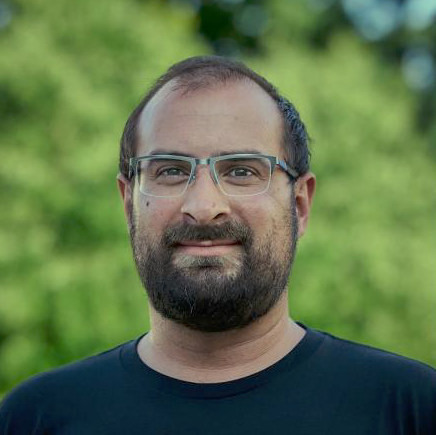
Joey is lead colorist and CTO of DC Color. When he’s not in the color suite you’ll usually find him with a wrench in hand working on one of his classic cars or bikes
Stella Yrigoyen
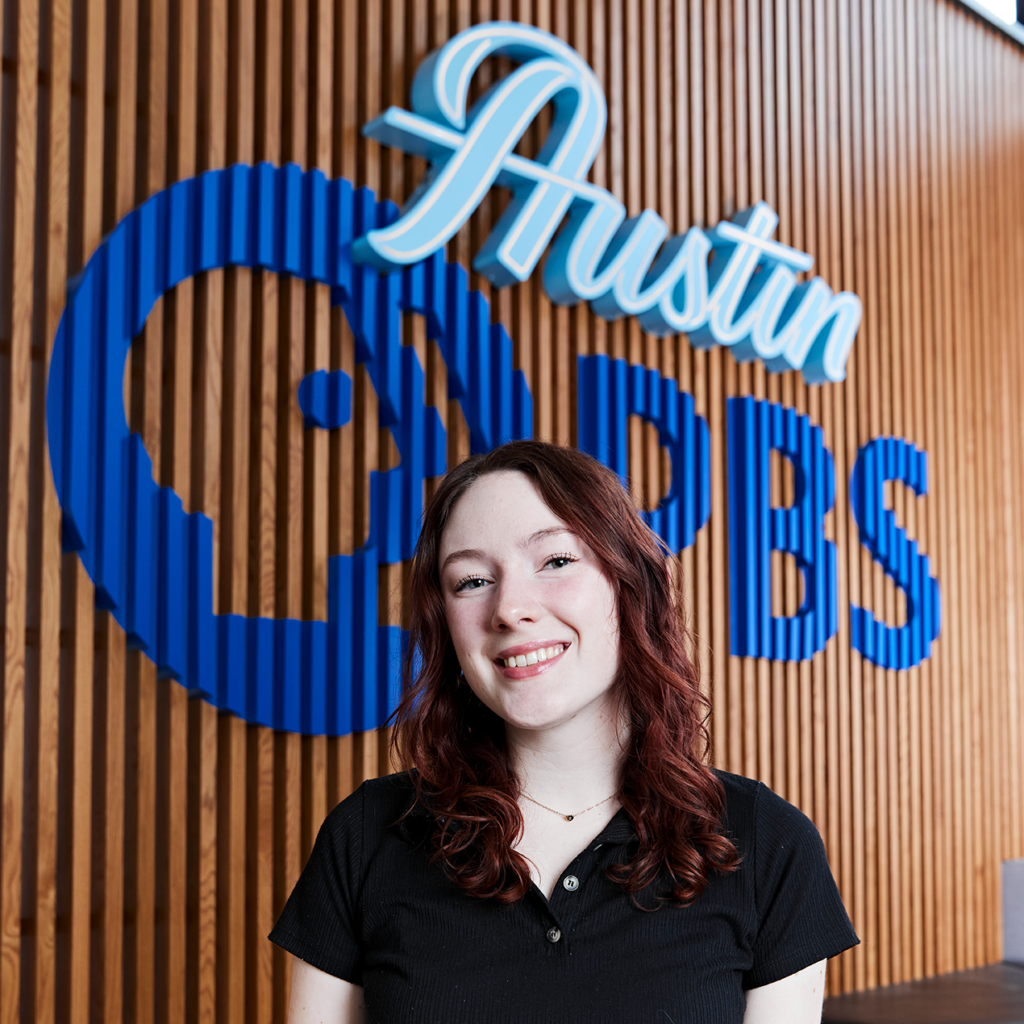
Stella Yrigoyen is an Austin, TX-based video editor specializing in documentary filmmaking. With a B.S. in Radio-Television-Film from UT Austin and over 7 years of editing experience, Stella possesses an in-depth understanding of the post-production pipeline. In the past year, she worked on Austin PBS series like 'Taco Mafia' and 'Chasing the Tide,' served as a Production Assistant on 'Austin City Limits,' and contributed to various post-production roles on other creatively and technically demanding project