EP052: Conform.Tools
Conforming Can Be Painful
Conform.Tools Can Help
In this episode of The Offset Podcast, we’re joined by Brandon Thomas & Stefan Allen from Conform.Tools.
Conforming is one of those processes in modern postproduction and finishing that can be technically challenging and a huge time suck. Different NLEs and color/finishing tools all think slightly differently. For example; positioning or a speed change in Premiere Pro might not show up correctly when conformed into DaVinci Resolve.
Over the years editors, colorists, and conform artists have built hacks and built up institutional knowledge of workflows for moving projects from one system to another but even at their best, the methods can be tedious and are seldom set it and forget it.
Conform.Tools is a suite of tools that is poised to really change how conforms are done making them efficient, fast and dare we say fun! We were super excited to sit down with the guys and talk about the challenges of conforming and how conform.tools can help on your text project.
Some of the specifics we discuss in this episode include:
- What makes conforming so challenging
- The problem of different math and algorithms between different applications
- Dealing with common conform problems like in/out point slippage, reel names, and other timecode issues
- Working with sizing and speed differences including speed ramps, interpreted clips, and speed interpolation
- Goals of conform.tools and looking at the workflow
- Conform.Tools module: Timeline Exchange
- Conform.Tools module: i20
- Conform.Tools module Conform Connect including the forthcoming desktop app
- The team at NAB & The NAB 2026 Colorist Mixer
- And more!
LIKE THE SHOW?
Check out www.offsetpodcast.com for our entire library of episodes + some of the additional assets mentioned in this episode that are available for download.
Be sure to like it and subscribe to the podcast wherever you found it and be sure to check out our growing library of episodes. If you like the podcast it’d mean the world to us if you’d consider supporting the show by buying us a cup of virtual coffee -https://buymeacoffee.com/theoffsetpodcast
See you in about two weeks for a new episode.
Video
Links
Transcript
00:00:00:01 - 00:00:15:13
Robbie
Hey there! Welcome back to another episode of The Offset Podcast. Today we're talking about the wacky and wonderful world of conforming, and about a product poised to make all of that much easier. Stay tuned.
00:00:15:15 - 00:00:47:17
Joey
Support for this episode comes from Flanders Scientific's XMP 551 and XMP 651. The flagship QD OLED reference monitors that are reshaping modern grading rooms. Their large format and industry leading viewing angles let clients see accurate images from anywhere in the room, and their true HDR and SDR reference performance makes single monitor room layouts possible when everyone relies on the same display you avoid the headache of explaining why the client grading monitors don't match.
00:00:47:22 - 00:00:51:04
Joey
Learn more at FlandersScientific.com.
00:00:51:05 - 00:00:59:08
Robbie
Hey everybody, welcome back to another episode of The Offset Podcast. I am one of your hosts, Robbie Carman. With me, as always, is Joey D’Anna. Hey Joey, how are you buddy?
00:00:59:10 - 00:01:00:05
Joey
Hey, everyone.
00:01:00:07 - 00:01:23:16
Robbie
Well, Joey, today we decided that we wanted to dig a little deeper on a conversation, on a topic or a conversation that we have talked about before. We've talked about conforms and bakes and and the best workflows there. But we recently, sort of had this subject come back up to mind and sort of in the forefront because, we welcome to a brand new sponsor to the show, the guys at Conform.Tools
00:01:23:18 - 00:01:46:00
Robbie
And, you know, so and checking out their product, we're like, oh, well, what does this tool do? And it just got us to realize, man conform is such a deep and sort of technical sort of artistic process at the same time that is full of a lot of like, you know, sort of learned institutional knowledge, a lot of mistakes that people make, assuming that something works one way or the other way.
00:01:46:02 - 00:02:02:14
Robbie
And like, if you're not, I always think, like, if you're not really that technical of a person, like the conform process might as well be like reading, like, you know, a Charles Poynton book or something like that. For the for the uninitiated, you know, it's like it's a real technical process that can be a little overwhelming, don't you agree?
00:02:02:16 - 00:02:38:06
Joey
Yeah. And for me, I, I love this stuff because, you know, as most people know, at this point, I kind of grew up in the online editing world of, first tape to tape and then non-linear online editing. So conform has been part of my bread and butter for over 20 years, right? It's always been bringing all the high res stuff from what was used to be an offline edit, or maybe a proxy edit now, or just these days they might even be editing full res, but getting everything from a premiere or a final cut into a resolve or even going resolve to resolve for conform.
00:02:38:07 - 00:03:10:06
Joey
There's so many infinite different workflow possibilities that come with every single project and every single project has its own unique challenges, depending on what the needs are, how it was edited, how it's being finished, you know, so this is a subject, like you said, there's a lot of technical and institutional knowledge that goes into it. It's like, oh, I remember that premiere handles this one timecode issue in this one way, because of a project I did ten years ago, you know, so I, I've been in the online editing and conform world for, for all of my career.
00:03:10:06 - 00:03:29:10
Joey
So I love this subject. It's something I feel like we've, we've dealt with a lot and we've solved a lot of problems. But there's always been, you know, like I said, every project has its own challenges and is different. So conform is always like a little bit of a of a brain engineering challenge. And if you look at it that way, it's it's can be fun.
00:03:29:10 - 00:03:45:14
Robbie
Well, you know, the other way to look at it, it's for me too, is that to me it's very much a translation issue. It's like, it's like a language thing. Right? You're you're speaking one language over here with one toolset and part of the process, and you're translating that over to another tool set in another part of the process.
00:03:45:20 - 00:04:02:16
Robbie
And then translation as the phrase goes right, things can be lost in translation, you know, translation. Confusing translation. So yeah. And I and I come from, you know, obviously a similar background where the online days of, you know, okay, fine. Like we're going to go from whatever every 3 to 70 set, you know, whatever the formats were back then.
00:04:02:16 - 00:04:18:02
Robbie
Right. So it has a lot of similar things. But, before we get into a lot, a little last, little bit of, housekeeping before we jump back in, as a reminder, you can always follow the show on Instagram and Facebook. Just search for the offset podcast if you can. Of course, watch the video version of the show over on YouTube.
00:04:18:08 - 00:04:41:05
Robbie
And then, the show is also available on all major podcasting platforms, including Spotify, and Apple Podcasts. All right. So, Joey, I think we could bandy about this subject for a long time, but nobody wants to hear us blab all the time. So we are very lucky today to have, two experts join us. These are, actually some good friends who have just started, a brand new company and just came on board as a sponsor.
00:04:41:05 - 00:04:48:01
Robbie
And those are the guys from Conform Tools. We have Brandon Thomas and we have Stefan Allen. Guys, welcome. How are you.
00:04:48:03 - 00:04:49:22
Brandon
Doing great. Thanks for having us.
00:04:50:00 - 00:04:51:03
Stefan
Hey, Robbie. Thanks for having us.
00:04:51:07 - 00:04:55:10
Robbie
Brandon. I've known for, gosh, probably going almost on 20 years now.
00:04:55:12 - 00:04:55:20
Brandon
Getting there.
00:04:55:20 - 00:05:15:12
Robbie
Is he is the principal, one of the principals down at TBD Post down in Austin, Texas, a, major post house in the area. And they do a wide range of work from, you know, narrative features and docs to advertising to, you know, you name it, they do it. And Stefan is one of, the team members down there as well.
00:05:15:14 - 00:05:39:15
Robbie
And guys, I want I don't want to tell the story for you. So let's back up to the beginning. So obviously conform was something that was it's been on your minds obviously from your day to day jobs of what you do. Just tell us a little bit about kind of, you know, what conform means to you, what you saw as some of the challenges and kind of how the idea for sort of getting started with a product, and we'll dive into the product, obviously.
00:05:39:15 - 00:05:43:23
Robbie
But, how the sort of the origins of this started and as a sort of an idea.
00:05:44:01 - 00:06:06:12
Brandon
I mean, I think a big part of it is, you know, when, you know, my background's also like a colorist, you know, and so, like a lot of times we want the color session to look as similar to what was an offline, what the final product is going to be as possible. So and I don't think everybody works this way, but we go through like large pains to make that experience for the client in the room as like close to perfection as possible.
00:06:06:12 - 00:06:20:03
Brandon
And so as things evolve, like it's been really fascinating to kind of watch, like interlacing used to be this thing that you would like, spend days on fixing and tear next thing and all that stuff. And now people are like, we like that. It makes it feel like nostalgic and, you know, like.
00:06:20:05 - 00:06:23:01
Robbie
You got it. You got to be careful because you get joy going on interlacing.
00:06:23:03 - 00:06:25:03
Joey
We did a whole episode on that.
00:06:25:05 - 00:06:51:10
Brandon
Yeah, but like it kills me. But it's like, you know what? It's just like, that's kind of how things are evolving and but it's just like we still want to try and then bring things to this, like as close to perfect as possible. And how to do that as efficiently as possible because like, there are you know, I think a lot of what this tool came out of was like a documentary project where they'd spent three years doing these really detailed moves on stills and all this stuff that like, was really intentional, like detailed work that did not in any way come over from them.
00:06:51:11 - 00:07:14:15
Brandon
Yeah. And so it's like literally Stefon and you know, spending days like rebuilding all this stuff so that it looks like what had been delivered to us. But I think, you know, more than anything, it's just like the attention to detail. It has to be there and like, you know, I think when you're working on a team, it's like we're always like looking, you know, checking each other's work, just have each other's backs and like, you know, if something got missed here, we're fixing it here.
00:07:14:15 - 00:07:33:07
Brandon
And just so I think it's just always been this process of how do we streamline this thing to get as close to perfect as quick in the process as possible, to get ahead of those problems later, because we're always smashed to the finish line. You know, we do a lot of films that go to festivals and like, you know, the people are always like trying to spend every second, like just perfecting the story.
00:07:33:07 - 00:07:48:14
Brandon
And so as much as we can bring ourselves away from finding problems in the last second is just always something that makes life better. Yeah. It's just it's an intensely detail focused thing that just will consume, you know, days of time and, and just embedding.
00:07:48:18 - 00:08:09:14
Robbie
And it's and it's been my experience too that like one of the and I'm curious on your thoughts about this stuff on because like you correct me if I'm wrong, you have a sort of online editing flame kind of background. I sure as your kind of kind of story. And I think that that's interesting because I think a lot of, a lot of people who this product is interested, you know, are is focused.
00:08:09:14 - 00:08:26:16
Robbie
Two that we'll talk about is, you know, the editor or the colorist, sort of, you know, either prepping or preparing. And I think that a lot of it's easy in that conversation to realize that there are people who specialize at this type of work. And I'm curious, like, you know, having done this for years, why is it a specialty?
00:08:26:16 - 00:08:43:10
Robbie
What is it like? Do you find conforming like using a different part of your brain? Are there technical skills that, you know you've just even massed over the years that it's just too difficult to explain to somebody else, like what draws you to that process and why? Like, why did you think that, like, hey, we could improve on this?
00:08:43:12 - 00:09:07:22
Stefan
Yeah. I mean, conform is like there's no handbook that tells you like, this is exactly how this is supposed to go. And every program works differently and the translations are different. And it's really like you said, it's just like a lot of institutional knowledge that you kind of collect over time. And it's very much like this part has to happen before this part has to happen before this part.
00:09:07:22 - 00:09:33:19
Stefan
And if you mess that up, it can really sort of snowball. And in a way that adds a bunch of time, especially when it comes to like dealing with large media sources and stuff like that. So, you know, and then I think, like, I realize at some point it's like it's all math at a certain level and it's like, really, doesn't this work?
00:09:33:21 - 00:09:55:09
Stefan
If it's, you know, it's like one plus one equals two. So it's like it should, it should in some way work. So there must be something in the format that is making these two programs not talk to each other. But yeah, I mean, to answer your question, it's it it is creative and it is, you know, like I find a lot of joy in doing it sometimes.
00:09:55:09 - 00:10:18:18
Stefan
But when it comes to like key frames that were like purposefully, tweaked in, offline, which is happening more and more. I feel like people are like, really like sweetening this stuff in offline and then they bring it to online. And like Brandon said, it's like we get into a color session or something, and then all of a sudden they're like, wait a second, why isn't that like speed ramp?
00:10:18:23 - 00:10:24:05
Stefan
Exactly how I had it. And now they're asking questions about that as opposed to like the color.
00:10:24:08 - 00:10:30:03
Robbie
It's it's it's like, yeah, it's the color equivalent of what monitor I look at like now that things are like just slightly different right. Yeah.
00:10:30:03 - 00:10:41:13
Brandon
I, I'm, I'm in the room like no, this I promise it's not going to be like this. It's like, this is just what it's gonna be like in color. And then when it gets to the finish, it's going to be fixed. And it's just like, you know, that's just taking away from the work we're trying to do.
00:10:41:15 - 00:11:05:10
Joey
Yeah, yeah. And let me mention two quick things. Brandon, you mentioned that as you're going through this process in kind of the conventional way without any additional tools to help you, let's just call it the fully manual way. Right? One of the biggest problems, one of the biggest challenges is finding, identifying and fixing, not mistakes, but let's say inconsistencies or errors.
00:11:05:15 - 00:11:28:04
Joey
Because, you know, if you've got an hour long show with 2000 shots in it and one person is going through every single shot checking it against reference, maybe using a different blending mode, and you get into this mindset where, okay, well, the difference blending mode can have, you know, x amount of off ness to it because going to be a different media, for example.
00:11:28:04 - 00:11:51:14
Joey
So there's often a cold and that's a judgment call and you're going through and you kind of calibrate your brain to check these sequences and you get into autopilot. And we're humans, right? We're not robots. Every time you go through this conform process, even the best of us have been doing this for 20 years and have tuned our brain to try to find single pixel errors in something else, like one pixel in one frame.
00:11:51:20 - 00:12:17:01
Joey
Something always falls through. That's why you need to do multiple passes. That's why it's important to have multiple people on the team look at these things and flag things. I feel like that's one of the situations where automation and customized tools are really stronger than any artist can be, because the likelihood of them oh shot, next shot, next shot, next shot, I missed something.
00:12:17:03 - 00:12:18:05
Brandon
Right? Yeah. I mean that.
00:12:18:05 - 00:12:20:01
Joey
Goes down, down the drain.
00:12:20:03 - 00:12:44:09
Brandon
Yeah. I mean I think we have an incredible team, but we're we're thrown a million different directions all the time. You know, it's like we're really fortunate that like, you know, we're working on a movie or two in a commercial campaign. And then there's a documentary coming through and they need a DCP. And so like, our team is just like constantly kind of jumping to this project and that project and, you know, like everyone's doing an awesome job, but, you know, like it's first frame, last frame check, a different smile and all that stuff and like, it's just like and then, okay, cool.
00:12:44:09 - 00:12:57:06
Brandon
There's revisions and there's stuff coming through. And so it's just like, there's all that stuff flying around all the time. It's like, yeah, we're we're human. We're going to miss something. And that's kind of like, I think that team dynamic of like, everyone's got each other's back. I'm just like, we're all kind of in this together to kind of catch stuff where we can along the way.
00:12:57:08 - 00:13:10:05
Joey
And that's important to build into the workflow. The assumption that you can keep your eye, anybody can keep their eye out for a mistake and flag it because these workflows are so complicated that it's possible for errors to get introduced at any step in the process.
00:13:10:06 - 00:13:26:22
Robbie
Well, I think the I think the other interesting part, especially coming from a facility background and we've mentioned the idea of institutional knowledge a couple times, right, is that, you know, the just the ebb and flow of people in and out of a facility, right? So like, you know, you somebody gets good at this, you know, they're in there with you guys for a year or two.
00:13:26:22 - 00:13:44:04
Robbie
And then they, you know, whatever, they move on to other things and leave the company or whatever. And now it's like, oh, how did they do that? Like, what were the five steps that they did? And I think that goes right on, on to a certain thing that like, you know, automation and sort of, algorithmically sort of programing this part of things to a certain degree.
00:13:44:07 - 00:14:14:02
Robbie
Right. Like lessons that potential loss of institutional knowledge when the next thing happens. But also it, it strikes me that and we'll talk about this just in. The next thing I want to talk about is all all the various pieces that could go wrong. It strikes me that if this is sort of programed and done algorithmically, that you can you have a base that you can continue to add to as new features, develop new workflows, develop new, oh, well, you know, premiere change this or resolve change that.
00:14:14:02 - 00:14:36:06
Robbie
Right. And you can make those tweaks and get that kind of programed in for everybody rather than going, hey, I figured this out. Don't tell anybody. This is the secret sauce kind of thing. To to yes, I think that's that's a big thing. Now let's talk a little bit about some of the core challenges here. Again, I want to sort of give you my version of what conforme is and see if see if I'm right, because you guys are spending a lot of time in this.
00:14:36:06 - 00:14:53:19
Robbie
Right. Okay. So here's the situation. Some of these edited a film let's call it a narrative feature okay. They've edited the film and let's say they've used Premiere Pro right. And they brought in let's say they've, you know, two really, really a lot of shooting. So they've done proxy workflow for everything. They got this timeline that's all proxy.
00:14:54:00 - 00:15:11:14
Robbie
And then they did things like speed changes, some color correction etc.. And now they got to go okay, well I gotta flip those proxies, flatten my multicam. Look at my speed changes, adjust my sizing. I was thinking about this last thing. There's like ten things. Let me see if you get these. These jive with what you have.
00:15:11:20 - 00:15:28:12
Robbie
So time couldn't file naming big one, right? Real reels, things of that nature. Things like the offline online workflow can screw up if you don't realize that you're in it. Things like sizing the speed change is probably the biggest pain the ass is from, especially from Premiere Pro. And I want to ask you guys why that is in just a moment.
00:15:28:14 - 00:15:43:21
Robbie
Things like, VFX concerns like, how am I? Where am I going to pull these shots? How am I going to automate that process? Things like trim and transfer. Okay. So we've got this all correct. Now how do we package it up and move it over to the other place? What do they need on their end.
00:15:43:21 - 00:15:54:10
Robbie
Right. There's probably about ten more things that I can add to that, but it's like broad categories. Is that kind of fit? Where else where else do you guys see some of the, the major pain points? Stephane, what do you think?
00:15:54:12 - 00:16:14:08
Stefan
Yeah, I mean, I think, like, in and out points of the clips, that's like the first thing if you don't have a clip that can link or it's linking to the wrong timecode or something, that's a huge problem. And then on top of that is sizing. And then the the things that are more complicated, like speed ramps and easing of keyframes and things like that.
00:16:14:10 - 00:16:30:13
Stefan
Traditionally, has it been something that carries across in a conform? So that's like where we're doing a lot of work to kind of make it look correct. But yeah, I think what you said is more or less like the layers upon layers of what you deal with in a conform.
00:16:30:15 - 00:16:54:07
Joey
So let's start with with sizing and positioning, because I think that's going to be on the forefront of everybody's mind, because the most common workflow that we run into, and I think this is the same for most of the people that listen to the show. Obviously there's a million different workflows, but the one we we see the most and we have the most problems with is going from premiere to resolve, having sizing issues and there's a couple components to that.
00:16:54:07 - 00:17:20:21
Joey
Right there is the how do you deal with sizing in premiere, as in if, if in premiere, you're editing a in a 1080 timeline and you have 4K sources, then we go into resolve for a 4K finish with those 4K sources from there. 1080 timeline how does the scaling map now in resolve, we have this luxury of basically all access information is stored internally, kind of relatively.
00:17:21:02 - 00:17:40:08
Joey
So if we go from a 720 canvas to an eight K canvas, all of our sizing stays in same, all of our window stays the same, all of our geometry stays the same. Not the case with premiere. So explain to us a little bit. On the broadest possible scale, we don't need to get into like the super details.
00:17:40:10 - 00:17:55:14
Joey
Why is the way premiere handles axes and sizing? So I hesitate to say idiotic and wrong, but why? It's so idiotic and wrong? And then how do we map that to a world of reality?
00:17:55:16 - 00:18:14:13
Robbie
Can I can I add two more? Before you answer, let me add 2 or 3 more, sprinkles on top of that. Right. I think Joey, Joey sort of like quickly over the way that you handle it in Premiere Pro, because I think that's a big deal. Right? There's the the set and scale, the frame size options. There's the there's the manual adjust X and y and changing and it's it's easy.
00:18:14:14 - 00:18:35:00
Robbie
And I don't know if this is correct I've, I've been spouting this for years. So if it's BS I apologize to anybody. I told you. But it seems to me that the premiere Pro coordinate system is how should I say this? It's built on like I don't there's something about it's built on like source media, not like canvas, like the canvas size like not like the timeline size.
00:18:35:00 - 00:18:35:06
Robbie
I think you're.
00:18:35:06 - 00:18:38:23
Joey
Back rails, right? It's built on the canvas size, not the source size.
00:18:39:01 - 00:18:46:23
Robbie
I don't know, I don't know. These guys will tell us. Anyway. Let's start there, guys. Why is this such a cluster and what what what can be done to to to to fix it.
00:18:47:04 - 00:19:04:03
Brandon
Well, I think it's, I think it's a cluster because they don't intend you to leave the, the system. You know, I think that's the truth about a lot of these companies is that they want you to stay in their ecosystem as long as possible. They want you to do everything there. They want you to do everything in premiere.
00:19:04:03 - 00:19:18:21
Brandon
Don't you do everything in resolve? Don't you do everything? And then, you know, and I think that's where this comes from. And then I think the supporting these export formats, like, you know, XML or, you know, oh, it's like they're kind of like they're often very like half hearted attempts because they're like, you know, please.
00:19:18:21 - 00:19:19:23
Robbie
The community kind of thing.
00:19:20:01 - 00:19:26:21
Brandon
Yeah. It's like, hey, we're going to support this, but we're not really going to fully, commit to it in a way that's actually going to make it solve the problem.
00:19:26:21 - 00:19:46:23
Robbie
Well, like the open time, a time, open timeline, IO1 is a perfect example for those of you don't know what that is. It's a, I should say, hopeful standard of the idea that we can unify a lot of these kind of settings into one universal timeline format that a lot of people have said. Yeah, yeah, I mean, even resolve supports it now, right?
00:19:47:02 - 00:20:01:10
Robbie
But as you said, Brandon, like, do they really support it or is it just something they put a menu item in, you know, and it's of like, I'm not saying that they haven't done the work. I'm just saying your your sentiment about kind of the half hearted approach definitely rings true.
00:20:01:11 - 00:20:18:22
Brandon
I mean, I think there's like, this is what it is. And so, you know, I think they're, you know, they're checking the boxes of it does this thing to go into an o tio but it doesn't necessarily like everyone's doing it differently though. So like the results you get coming from premiere have it or you know, they're they're all going to kind of give you a different thing.
00:20:19:00 - 00:20:38:11
Brandon
And I think for certain workflows like especially like VFX polls like that might be exactly what you need because you're really getting the time, like the flip information or like you're in and outs and real names and all that stuff. And I think any platform's going to support that. But then when it starts getting into like the speed and the sizing and all that stuff, it really starts to kind of fall short for now and hopefully that'll continue to improve.
00:20:38:12 - 00:21:02:23
Robbie
Support for this episode comes from Conform.Tools. Conform.Tools allows you to translate timelines between Premiere and Resolve and other NLEs, while automatically solving common issues that normally need to be fixed by hand. Avoid time consuming trim and transfer issues, and securely send large media files to collaborators at a fraction of the size and in minutes instead of hours.
00:21:03:01 - 00:21:20:22
Robbie
With a growing toolbox of features, let Conform.Tools handle the tedious stuff so you can focus on the creative. Built by post professionals. Conform tools helps editors, colorists and conform artists move faster and finish stronger. Learn more at Conform.Tools
00:21:21:00 - 00:21:48:08
Stefan
I don't know if it's so much that it's like half hearted as it is that like they are following the spec according to what Otto wrote or XML Apple wrote back in the day. It's just that like both specs can be correct, but they don't talk to each other because they have, yeah, ordinate systems and all that. Which is to your question earlier about why everything is such a cluster in premiere, which is true.
00:21:48:08 - 00:22:12:15
Stefan
Yeah. I think like in premiere, everything is based, it's not resolution. Agnostic is the way I like to phrase it. And also resolve isn't either if you have certain settings set. So it's like, yeah, if you have your input scaling set to scale to fit entire image to fit, then you're in this like frame agnostic form.
00:22:12:15 - 00:22:30:18
Stefan
So you can go from HD to FD and back premiere doesn't really have that option. It's just like sort of locked to whatever resolution you made your timeline in. So that's where a lot of that pain comes from, because a lot of times it's like you're cutting in HD because that's easy and that's what you do in offline.
00:22:30:18 - 00:22:46:20
Stefan
And then all of a sudden you have to deliver a new HD in resolve. And if you just pull that XML in, you know, it's like all the sizing is based off of it HD, and it might look fine in HD, but then you go to unseen, all the sizing is screwed up. And then yeah.
00:22:46:20 - 00:23:01:13
Robbie
There's there's lots of hacks that like we found what's the one we found? Like the, the center crop or whatever. Like there's like there's different modes that you can put resolve into to sort of get it to work. But then there's always those, there's a couple outliers, right? That just don't no matter what, you know, because they were weird aspect ratio or whatever.
00:23:01:16 - 00:23:02:18
Robbie
They don't do their thing, you know.
00:23:02:20 - 00:23:17:17
Brandon
Yeah. There's a lot of hacks of like input sizing, you know, output something like there's different ways to kind of trick it. Like, you know, when adjustment layers got added to resolve, there was a period where we're like, we were trying to mess with adjustment layer sizing for a hot minute. It didn't didn't stick, don't worry. But it was just like one of those like, what can we do to solve this?
00:23:17:17 - 00:23:22:14
Brandon
And like, you know, anamorphic footage is a whole other you know, can of worms and.
00:23:22:16 - 00:23:41:00
Robbie
All right, so, so, so sizing is obviously a big issue. One of the ones that your, your toolset we're going to talk about in a little bit will tackle the next one is speed changes. I think that's another one that can drive people a little bonkers. And I will admit to something that a lot of the content that we do doesn't have very complicated speed changes, right?
00:23:41:00 - 00:24:06:15
Robbie
It's like it's like a fit to fill or it's like, you know, a standard frame rate kind of conversion of, you know, 25 to 23, nine, eight or whatever, like relatively static, straightforward stuff. I think that stuff has relatively worked for a while. Most of the time. Yeah. But what about like, I find people like, you know, who have eagle eyes about variable speed changes and ramps and they're like, oh, see how that like that's a little different here and a little different there.
00:24:06:15 - 00:24:22:00
Robbie
Like why is that infinitely more complicated, you know, from a translation point of view and like what's the right way, like is it just again, case of different math in different places, or is there, one side to sort of doing it the right way, one side doing the, you know, the improper way or whatever?
00:24:22:02 - 00:24:41:22
Stefan
It's not that they're doing it like the improper way. Well, there's a few things that like, I think Adobe never bothered to fix about their export XML thing. There's like these bugs that I've found when trying to build these tools that even if you bring it back into premiere, it doesn't look.
00:24:41:22 - 00:24:42:16
Robbie
Doesn't work.
00:24:42:18 - 00:24:54:19
Joey
Like. And part of that, you know, correct me if I'm wrong here, but when you export an XML from premiere, you're exporting a Final Cut seven format XML, right? The format it's going to is very legacy.
00:24:54:21 - 00:25:16:22
Stefan
Yeah. And that's like it's a pretty powerful format. I don't personally understand why they like made so many other ones, but it can store a lot of information that's not really the problem. It's just like, for example, like the first thing that was driving me nuts was we would get these projects from premiere and I'd get them to be matching.
00:25:16:22 - 00:25:38:18
Stefan
And I'm like, okay, so these clips are matching and resolve. That means like my translation is correct. And then all of a sudden we'd get to a clip and it would be like tiny square. And so I'm like, what the heck is happening here? And it was because they set the scale, the frame size thing. So then I'm like, googling and finding forums and, and you know, people are like, oh yeah, this is the thing that's always been a thing.
00:25:38:18 - 00:25:51:08
Stefan
And it's like, yeah. And then that goes to the institutional knowledge thing, but that the scale, the frame size doesn't get recorded in the XML anywhere. So it's like if you set that in premiere.
00:25:51:10 - 00:26:16:02
Joey
That for me, for with your, you know, with the subject of speed changes, one of the big, big, big issues that we've always had is when editors in premiere take different frame rates and tell premiere to interpret it as a different frame rate. I have a £0.60 clip. I want to tell it to over crank at 23.98, and there's no way for the XML to have that information.
00:26:16:02 - 00:26:22:02
Joey
So resolve is expecting a completely different timecode system. Yeah. And and obviously that's not going to work.
00:26:22:02 - 00:26:42:05
Stefan
Yeah. Yeah. That that is you kind of have to know what clips have been reinterpreted before you even import the XML. And then you have the best chance of getting them to link in because you can pull the median, reinterpret it, then pull the XML in and, you know, then hopefully it it will link up. But that's like, how are you supposed to know that?
00:26:42:07 - 00:27:04:17
Joey
And I feel like, you know, that's kind of a overall conceptual thing on starting on the edit side is should you even do that? Or should you know that this is a 60 frame, a second clip? So I need to if I want it to be over cranked, you know, like you said, it all comes back down to math so that you could do that over crank with a speed effect in the timeline without changing the source side.
00:27:04:19 - 00:27:21:23
Joey
If you do the ratio of I don't I don't know the math, I think it's one fifth or yeah, one fifth or whatever the number, whatever the ratio will go with that, that speed effect and set it to a linear interpolation. You will get a frame for a frame over crank from those source clips without having to go through this whole process.
00:27:22:04 - 00:27:27:21
Joey
But I don't think a lot of people one know that or two want to go through that whole process.
00:27:27:23 - 00:27:55:16
Stefan
Yeah, we're we're kind of of the mindset. I think that like the people on the edits, we don't have control over that. And people are just like, premiere lets you do whatever you want. It's like, and people are going to do whatever they want. So we're less about, you know, like, hey, if you reinterpret like make sure, you know, you do the speed change instead, it's like, okay, well, for me, it's like if it's showing up correctly in premiere.
00:27:55:18 - 00:27:57:11
Robbie
It should go away from somewhere else.
00:27:57:11 - 00:28:02:03
Stefan
We just have to figure out why and then get it to do the same thing.
00:28:02:06 - 00:28:13:02
Joey
And then make a lot of sense because it helps, you know, it lets the creative people, you know, focus on the creative edit and then let the technical people and the technical software handle the technical side.
00:28:13:05 - 00:28:22:08
Stefan
It does obviously help if someone is like tidy in there but like, you know, can't be can't be asking for too much.
00:28:22:10 - 00:28:43:04
Robbie
So the other speed related thing that I think we see often is the idea that somebody has frame rate set, not not the extreme example that Jerry gave like the 60 to 23, but the hey, I have stock footage that's 29, nine, seven and I dropped it in 23, nine, eight timeline or 25 or whatever. Right. And and Premiere Pro does it's, you know, it's default frame interpolation.
00:28:43:04 - 00:29:02:03
Robbie
Right. To get that, to get that math to work is dealing with because I think a lot of editors these days are hip to, or at least sensitive enough these days to like things like repeated frames in that problem. Right? Because a lot of them are delivering to digital platforms that those repeated flames get, you know, flagged in QC and whatnot.
00:29:02:05 - 00:29:22:00
Robbie
Is that part of translation with speed also a challenging, problematic thing to solve? Right. Like, yeah, because I feel like a lot of editors are like, oh, well, I'll make this look better by just changing over to optical flow and not realizing that optical flow is, you know, inventing frames and, you know, that kind of stuff. Or are there's different interpolation modes, in other words, a problem in this process as well?
00:29:22:06 - 00:29:47:13
Stefan
I think we've pretty much solved those. Yeah. I mean, they are a problem. They're also like a creative problem. I think when you have like a 25 clip and a 23.98 timeline, and then all of a sudden that edit has been locked, but now the 25 is doing a weird cadence and you're like, yeah, you know, if I just said this to whatever, 96% or whatever that is, we wouldn't have that weirdness.
00:29:47:13 - 00:30:06:21
Stefan
And like, is that okay? Do I have to get that approved or like, how do I sort of fix those issues? But as far as like the translation goes, that is less of, I mean, like with our tools, of course, but and I think with the XML as well, that's less of a headache than like the speed ramp, which can be really a pain.
00:30:06:23 - 00:30:24:02
Robbie
So one more we talked about speed changes. We talked about sizing. We talked about some of this time good stuff. I want to talk about the worst case scenario because like, okay, I don't know if this is a pipe dream, but one of the things that comes so you know, in any conform, even if you get it relatively automated or whatever, is there still going to be those judgment calls?
00:30:24:02 - 00:30:52:13
Robbie
There's still going to be the situation where you're, you know, taking, you know, an offline reference and doing a different mode and trying to line things up. One of the things that's always and I don't know if this is like me just being wishful thinking about it, but it's always just seem like relatively low hanging fruit. And again, that's some simpletons way of explaining it is why can't I just look at an offline version of a reference file and go, hey computer, I paid $10,000 for you.
00:30:52:14 - 00:31:09:18
Robbie
You're smart. Why can't you look at this? Here's a folder of media and just figure out how to put it together. Am I wrong? Does that seem like something that we should be striving to, and that we should be able to get to at one point in time?
00:31:09:19 - 00:31:28:05
Brandon
I think we're you know, the answer is like, we want that to, you know, like so we're actually like testing something that it's trying to work towards that. And there's, there's there are things out there that do that, but they're not accessible to small facilities and individuals. You know, it's a lot of computing power to like go through and analyze that stuff.
00:31:28:07 - 00:31:46:18
Brandon
So we're we're you know, I think as these GPUs get better and all that stuff, it's like we're experimenting with some stuff like that that I think can help with that. It's I was doing a, a, a car commercial recently and it was all rips from these previous like existing spots. And, you know, there was no original file names or anything like that.
00:31:46:18 - 00:32:04:11
Brandon
And like, you know, it was about two and a half, three hours to rebuild a 32nd spot, you know, buy everything by hand, you know, and even though, like, we had the models and everything is just like there is no real metadata to work with. So I think, you know, in that situation, I don't think that'd be a crazy amount of compute.
00:32:04:11 - 00:32:12:07
Brandon
You know, it's just you've got to build that system out in a way that can do that. But yeah, that's definitely something we're, you know, exploring as well. Just like, can we solve that?
00:32:12:09 - 00:32:21:19
Robbie
But yeah, just go like I mean it just seems like a low hanging. It's just seems like, you know, that's the ultimate fix is just I don't know, I don't have time for this. You do it computer kind of thing. You know, it's in.
00:32:21:19 - 00:32:23:11
Brandon
It's been go find it, you know. Right.
00:32:23:11 - 00:32:24:16
Robbie
Right. Exactly.
00:32:24:18 - 00:32:40:23
Joey
So now that we've kind of figured out, you know, what the main problem is? We need to solve our, Up until now, the process for doing this has been kind of a little bit of guessing. Check a little bit. Try this set of options on the export. Try this set of options on the import and see how close it gets me.
00:32:40:23 - 00:32:47:10
Robbie
And then tweak if it all goes to hell. Just articles. Just take my attitude. Just if all goes to hell, just bake it down and call it a day.
00:32:47:12 - 00:32:51:11
Joey
Yeah, or bake these sections and go through all this manually.
00:32:51:13 - 00:32:52:01
Robbie
Lobby.
00:32:52:01 - 00:33:01:02
Joey
Big tournament. Looking for tools. What are you guys doing on the actual product side that helps us solve some of these problems?
00:33:01:04 - 00:33:13:13
Robbie
Yeah. What is what is the product? I mean, like, I think that's one of the things that like so we have we've identified the problems. What is the what is the product and what is it hoping to solve. And maybe you can walk us through kind of like, you know, we've ended up on a lot of these problems.
00:33:13:13 - 00:33:21:04
Robbie
Where do you guys step in and where do you think your approaches is unique and different and worth, you know, sort the attention of, you know, people doing this work?
00:33:21:05 - 00:33:46:19
Stefan
Well, we have a few things that we've been working on. The the first thing that we sort of touched on a bit is our tool for, for timeline exchange, which is built the first problem, I guess we were trying to solve is how do we take a project from premiere into resolve, make it work. If we go up to PhD, make it so that we don't have to touch every clip and fix all the sizing and all that stuff.
00:33:46:19 - 00:34:14:21
Stefan
And from there, you know, we have the same issue going to flame. We had the same issue going from premiere back to or a resolve back to premiere. So it's like all these transitions aren't working the way that you would hope. And so we've sort of solved that problem so that if you have something set and resolve, you have a project in premiere, you can export and bring it into resolve in it.
00:34:14:21 - 00:34:33:23
Stefan
It is going to look like what it look like in premiere. So that's sort of one of our products. Another one is we're trying to solve the the media aspect of this as well, which we haven't really talked that much about. But like when when you're conforming a project with the original camera files, it's like we're talking about like terabytes of media.
00:34:34:00 - 00:34:53:21
Stefan
Yeah, yeah, it's a ton of stuff like these are huge files these days. And a lot of times, like, you don't need the whole captured set of media, you just need some files. And it's just kind of like in a similar way. It's like every program has its own way of doing this. Every every shop has its own way of doing this.
00:34:53:21 - 00:35:12:16
Stefan
There's a lot of institutional knowledge around how you should deal with that. But nevertheless, people still ship drives and or bake it. And it's like, that works here at TBD. We're very like, I guess, like sort of purist about that with.
00:35:12:19 - 00:35:14:04
Robbie
The anti bake. Yeah, I got it.
00:35:14:06 - 00:35:15:08
Stefan
Anti bake. Yeah.
00:35:15:08 - 00:35:40:10
Brandon
But me but I mean from you know from my C as a colorist in the chair. Like having that source media. It gives me so much information that's like so valuable. That's like like real names time codes all that stuff. Like when I have that like I'll use like a lot of smart filters and stuff like that. And it's like I can grade, you know, my first pass so quickly because I can just do this really intelligence grouping and sorting and like, you know, run with that stuff.
00:35:40:10 - 00:35:41:01
Brandon
And I have.
00:35:41:01 - 00:35:59:11
Robbie
To be honest with you guys, I've come around a little bit on this. I think my, my, my tendency to go to the bake has often been one of hassle and budget, right? That like, totally, you're not going to pay me for the three three days to sift through your pile of crap. So why don't you just do it the easy way, right?
00:35:59:13 - 00:36:23:01
Robbie
But the more that I've gotten sophisticated or not, even the more sophisticated just sort of force myself to use some of the more, you know, advanced, you know, smart filtering, sorting, you know, whatever. Like you do realize, oh, crap, this is the stuff that makes me faster. And like, there's hacks and ways around it with, you know, with bakes and ADLs and stuff like that, but they're hacky, right?
00:36:23:01 - 00:36:38:12
Robbie
So I will, I will, I will give you that, that it's, it's the if time and budget allows. And now with your guys tool setting then hopefully it will streamline some of the streamline some of that time that it is. It is an advantageous thing to get a truly conform project.
00:36:38:12 - 00:36:49:20
Brandon
I mean, I think really what we're after is like reducing friction, you know, so like if you can take our project from premiere to resolve and the conform is like perfect or nearly perfect, you might have just saved on a feature film a couple days, you know.
00:36:49:22 - 00:36:51:08
Robbie
Yeah, that's real money.
00:36:51:13 - 00:37:07:23
Brandon
That's real money. And it's and it's real time. And then, you know, and the color is seed. It's like then I have all the visibility I want. And then I think it's that same thing for the the transfer tool I to oh it's like you know, especially for short form stuff. You're sending commercials. It's like you can send just that little chunk, like I can't tell you.
00:37:07:23 - 00:37:13:10
Brandon
Like we have our production coordinator on a mission to return hard drives for like weeks now of just like all.
00:37:13:10 - 00:37:14:15
Joey
Of our files.
00:37:14:17 - 00:37:30:05
Brandon
We like. I think we're down to like 40 drives in-house now. And we had like 200. You know, it's just like we it's just been this process of like it's just way more efficient to to kind of handle these things. And it's kind of the antithesis of, you know, like don't send everything just like spend the smallest amount possible.
00:37:30:07 - 00:37:53:02
Robbie
So step one, you've outlined sort of I think the first two modules of what conformed tools. All right. So the timeline exchange kind of fixing all the crap right. The speed changes, the sizing etc.. You've done that with timeline exchange. Now it's time to come and transfer it. So we have i2O, the transfer module. Right. That allows us to sort of intelligently kind of bundle that up media, manage it, trim it for for transfer.
00:37:53:08 - 00:38:01:14
Robbie
Now this i2O also facilitate the actual transfer. Or is it just the hey I'm going to make a folder of stuff now it's up to you to move it.
00:38:01:20 - 00:38:33:02
Stefan
Yeah it does. And I will mention that these are all things that were like, these are all new tools. And yeah, we're we're building them out. And we're, we're really excited about it. But they're, they're changing in real time and getting better and better. But for our, i2O yeah. It's like for all ways that you might need to get media to someone, whether that's like uploading it or just like packaging it in a way so you can put it on your own Google Drive or Dropbox or or whatever.
00:38:33:07 - 00:38:54:18
Stefan
And also like if you want to do sort of a live session to get the media over, we have solutions for all of that. And the whole idea behind it is that you're only capturing, I guess, on on the receiving end, the literal bytes of, of media that you need. So it's like trimming without having to actually change the essence of the files.
00:38:54:18 - 00:38:59:12
Stefan
And I can talk a little bit more about how that actually works on the technical side. But that's the.
00:38:59:13 - 00:39:06:16
Robbie
Yeah, I'm actually I'm actually really like, I've never heard of something that can trim without trimming. Like, how do I mean, how does that work?
00:39:06:18 - 00:39:25:10
Brandon
I think one of the coolest things about it is like, you know, you don't have to like consolidate media and premiere that can't maintain your raw footage. You know, you don't have to transcode that stuff. And so there's there's already a time savings there. But yeah, this is like basically it appears as it's the original source file on the other side without you know, having to send the entire piece of me.
00:39:25:10 - 00:39:41:10
Robbie
So without without getting it, without giving away any proprietary information, if I, if I had to guess here, what you're saying is that it's able to sort of intelligently go, this is the frame that I want to start on. This is the frame I want to end on and close the file at either end. So it's a complete thing, right?
00:39:41:10 - 00:39:44:15
Robbie
But getting rid of superfluous information is that kind of the general idea.
00:39:44:20 - 00:40:08:08
Stefan
It's not getting rid of it. It's just saying like, this is never going to be scrubbed in the timeline because you're importing all this footage there. So it's like this can all just be, as far as the computer's aware, zero information. So the metadata about the size of the file, the length of the file, how many frames it's supposed to have, all that stuff stays the same.
00:40:08:10 - 00:40:11:22
Stefan
But the actual information that you need is, is what gets transferred.
00:40:11:22 - 00:40:29:10
Joey
So that's actually a really interesting and I'd say innovative, a new approach that nobody's really attempted before. Right. Because even though, you know, premiere can do obviously the transcode thing, which we don't really want to do, but resolve can do pretty advanced trimming of raw files where it gives you a new file with a new in and out.
00:40:29:15 - 00:40:56:01
Joey
But that doesn't really solve this problem for some workflows, because you have to have the original file here. And we're talking about getting the project from the editor to the colorist. So what you're saying is when you go through the process of the AI to, oh, transfer, it's kind of give, say, for example, resolve at the destination end in our 3D file that it's metadata says it's an hour long, right?
00:40:56:03 - 00:41:08:12
Joey
But everything is zeroed out except for the section that you're actually going to be using in the conform. So you'd be able to, in resolve, scrub through an hour of black that is not taking any data up on the draw, I see.
00:41:08:12 - 00:41:10:14
Robbie
Okay. So so so that is.
00:41:10:16 - 00:41:38:19
Joey
That's, that's, that is new and innovative in a way that I don't think anybody else has ever attempted, let alone make work. And I think it's really frickin smart. If you're heading to NAB 2026 in Las Vegas, stop by Booth N1827 and see FSIs latest reference monitors up close. The team will be there all week talking color, calibration, and monitoring workflows for production, post and broadcast.
00:41:38:21 - 00:42:01:02
Robbie
Let's just play arbitrary numbers. Let's just say that that file is, I don't know, 20 gigs on my my, my source hard drive, my original location, our drive, and I'm using 10s of it. So let's use another number. Let's say that gets it down to two gigs from 20, right? You're saying that I'm only transferring the two gigs, but from a metadata perspective, reconnect perspective.
00:42:01:04 - 00:42:11:05
Robbie
It's it looks to the computer as just as the original 20 gig file. Same in and out, same data, but everything that's not that content is just blankness. It's a.
00:42:11:05 - 00:42:12:11
Stefan
Void. That's exactly.
00:42:12:12 - 00:42:13:06
Brandon
Right.
00:42:13:08 - 00:42:13:21
Robbie
Okay.
00:42:13:23 - 00:42:15:12
Joey
That's genius.
00:42:15:14 - 00:42:34:20
Robbie
That that is pretty cool. How is there are there any issues? Because I'm guessing if correct me, if I'm wrong, the timeline exchange part would clean up things first, right to then do because like there's no danger of oh, well, I did this trim, but now I've done a variable speed change on it, and now I'm trying to bring in frames from the the voided part.
00:42:34:20 - 00:42:40:05
Robbie
Like that doesn't really happen in practice because we're doing the timeline exchange part first is that.
00:42:40:08 - 00:43:00:10
Stefan
Yeah, it's using the same tools that we developed for timeline exchange to sort of pass the in and out information. So it, you know, and then the other thing is like once you have that file that has the ranges that you need, and it can also be like if something shows up three times on the timeline, you can take just those three parts.
00:43:00:10 - 00:43:02:22
Stefan
You don't have to make three different trends, everything else.
00:43:02:22 - 00:43:26:13
Joey
That's why this is really innovative, because in the conventional, even the best trim workflow, now you've got three files right? For those three sections. And that's a new translation problem. Whereas in this kind of new concept of zeroing out the unused sections of the file, resolve just sees one file. Those three areas are intact. Nothing else is wasting space.
00:43:26:18 - 00:43:34:09
Robbie
It's like it's like you turned off the media offline. The flag. Right. It's like we're just going to show you black instead of the media offline print. I like that.
00:43:34:14 - 00:43:36:01
Joey
Because black doesn't take any space.
00:43:36:06 - 00:43:54:01
Robbie
Right. Black doesn't take this with. All right. So that's pretty darn cool. I got to be honest with you. I wasn't there, I didn't I didn't know that was exactly how that worked. And that's that's pretty hip. So we've prepped the timeline exchange. We've we've sort of media managed for lack of a better term, trimmed with it. So now I feel is also going to allow us to facilitate the actual send.
00:43:54:01 - 00:44:02:22
Robbie
Right. So we can just say, hey, this is going to and what happens on that. And they receive just a download link. They receive a zip. Like what's, what does the other side look like.
00:44:03:00 - 00:44:15:09
Stefan
Yeah, they receive downloaded files. And you can do all this in the browser. That was the other thing I was going to say is like this isn't using compute really because you're not trimming in.
00:44:15:12 - 00:44:17:20
Robbie
So yeah, just figuring out the math and where the ones and zeros are. Right. Yeah.
00:44:17:22 - 00:44:41:11
Stefan
It's it's working sort of like below the codec level at the byte level. So you can do all of this. It just imagine it's like, you know, you only want to upload this part of the file. But then that file still sort of works as if it was the original. And then you're only downloading the file at that smaller disk usage size.
00:44:41:12 - 00:45:05:19
Stefan
And so the transfer becomes, you know, two gigs instead of 100 gigs or whatever, and the download becomes that as well. So it saves a bunch of times, it saves a bunch of storage. And the way this works currently is like if you have an XML, you just pull that into the browser tool. It passes those in and outs, then it just starts uploading those files and then that becomes a package.
00:45:05:21 - 00:45:12:07
Stefan
You you say who you want to send that to and they, they can just download it from there.
00:45:12:09 - 00:45:31:01
Robbie
So, this is I'm pretty actually pretty stoked about this in in some ways. No offense. In some ways more than the even the timeline fixes, because this solves like a really big problem. And I'm guessing this is sort of differentiated by like the plan you're on. Right? So like you guys have like you're we'll talk about this before we wrap, but so what are your indie professional studio plans?
00:45:31:01 - 00:45:35:12
Robbie
So like I get different bandwidth allocations depending on what sort of plan I'm on. Yeah.
00:45:35:14 - 00:45:43:09
Brandon
Yeah. So each different plan comes with like a different amount of data that you can send. And then there's like a small overage, you know if you go over. So it's like you're not limited from not sending more.
00:45:43:09 - 00:45:46:20
Robbie
It's it's not going to just stop. You'll just get it. You'll get all of the additional. So I got yeah.
00:45:46:21 - 00:45:48:04
Brandon
That's the plan right now.
00:45:48:06 - 00:46:05:14
Robbie
All right. So we got timeline exchange I two transfer then sort of the sort of third module I guess, or third part of this, the conform connect. Explain that. Explain that bit is like, so you have this sort of desk or it's coming, I guess sort of this desktop tool that sort of connects all these, these things together.
00:46:05:15 - 00:46:22:15
Brandon
Yeah. So we're, we're getting really close to getting that out into the world. So basically it's kind of like, you know, it's it's providing this hub where you can use, you know, timeline exchange and it's all through this desktop app. And then, it has this other section that we're calling Conform Connect that basically is directly connecting to resolve.
00:46:22:15 - 00:46:42:00
Brandon
And just giving really powerful tools inside this app. And you know, sometimes we have like a little floating window. So you can have just like a little tiny thing over your interface to do specific things. I think one of the things we're most excited about is, we're calling like Edit Index. Plus, I don't know how many times we've wanted to be able to like, flag a clip from the edit Index or just use that as a more powerful tool.
00:46:42:02 - 00:47:01:20
Brandon
So we kind of built that where it can just do crazy searches and filtering and then, you know, you can just do batch operations on all of these clips that you select. So I think it's like super useful for conforme for grade management. You know, VFX polls and stuff like that. It's just a really powerful tool set that like we keep adding stuff to as we're like, oh, it'd be cool if we could do this now.
00:47:01:20 - 00:47:28:19
Brandon
It can do that. And so it basically will kind of update live with whatever's in your timeline. And then, you know, there's there's a lot of like useful conform tool, conform tools, in there as well as like, you know, I need a sequence with handles for VFX polls or this is like, you know, we've been having some of our workflows involve a lot of magic masks, and they're going to flame and like, we only want one copy of media, even though we have a 90 or 60 or 3015 sticks is ten sixes, you know, like ten fives.
00:47:28:19 - 00:47:34:14
Brandon
And so we'll we'll create this like all clips timeline, kind of like that. You remember like the master timeline, like.
00:47:34:14 - 00:47:36:15
Joey
The master timeline order.
00:47:36:17 - 00:47:37:09
Robbie
Love math.
00:47:37:09 - 00:47:41:23
Brandon
Find that anymore. You know, it's like I know there's a way to re-enable it, but I can't find it.
00:47:42:01 - 00:47:49:08
Joey
But then you might not want it enabled for all your projects, right? Or for the whole project. You might want to just do it for this transfer.
00:47:49:10 - 00:48:09:22
Brandon
So we basically built this thing and it'll it'll kick out this timeline. It's just the clips of the in and outs with handles if you want them, and then it'll kick it out like this is your AK resolution clips, your six K, your 4K, you know, no kind of create all that stuff to kind of help with some of these round trip problems that we've had of going, because sometimes we'll do color and it gets online somewhere else, or like it's going to flame or it's going to premiere or whatever.
00:48:09:22 - 00:48:24:14
Brandon
So it's just a whole slew of tools to kind of help with that. Another one we have in there that we're excited about is like kind of an image alignment tool. So it's like, you know, here's your reference and here's your clip. You know, if timeline extends to nail it, then it's like, here's a thing to kind of help you get it into place quickly.
00:48:24:16 - 00:48:44:00
Brandon
It can't do keyframes yet because of limitations and resolve that. We're working on trying to like find our way around that stuff. Those are some of the big ones. I'm sure there's a couple of others in there too, but it's it's a really oh, there's like a great marker utility with a bunch of tools, but it's a really helpful companion of just like these are things that like, will save real time.
00:48:44:00 - 00:49:03:00
Joey
And so that's the stuff I love. I looked at when I first saw the Conform Connect like feature list. I'm like, oh, I wrote a half assed script to do something just like that, but it only really works on my machine and it only works at one frame rate. And I didn't go through the process of really actually turning it into something reusable.
00:49:03:00 - 00:49:09:05
Joey
I just used it to solve one project's problem. This is going to save time for all projects.
00:49:09:06 - 00:49:22:07
Brandon
Yeah, and I think it's coming from like these are problems we've had. We've faced time and time again and they're like, this is stuff. It's like, how do we solve this stuff? Because it's like the more time we can solve with these tools, it's like, then we can go and do the creative thing, perform.
00:49:22:07 - 00:49:40:22
Robbie
I think that's a really, really kind of a big, important distinction for our audience to understand and for, for your market to understand is that, like, you know, you have professional software developers who make tools because, hey, we can make a buck doing software, but they're not necessarily boots on the ground operators sitting behind the desk every day.
00:49:41:00 - 00:50:06:03
Robbie
And I think that's one of the reasons that, sort of, really attracted to this product because I know how hard you guys work, and I know the efforts that you take running a facility and the projects that go through there, and it's like, no, these are real world like you. Like in some ways, you understand the problems better than a developer could really ever understand the problems, because it's all just conceptual to the guy, you know, doing the programing.
00:50:06:03 - 00:50:23:01
Robbie
Right? I mean, no, no offensive, but like, it's, you know, having like, the experience is thinking like, oh, no, the math is doing this one thing, but it really works this way. And that experience is invaluable. Right? You can't you can't replace that with just, oh, I'm not another, you know, argument in the code or kind of thing.
00:50:23:01 - 00:50:42:19
Robbie
So that's cool. Let me ask you this. So right now the time I exchange, I two transfer, you have the ability to do on the web. Conform connect. We'll have a desktop version soon, but there's no like, real I don't know, have like a better term, like super processing going on. Yeah. With the tool. Right.
00:50:42:19 - 00:50:55:05
Robbie
We're not we're not like, having to, whatever scale up with new GPUs or whatever, like that kind of stuff might be later down the road. But like, right now it's all more just sort of math based translation. Yes.
00:50:55:07 - 00:51:03:02
Brandon
Yeah. I mean, I think the, the timeline extension I to stuff is like it's it's like it's super efficient at this point. Like like we've.
00:51:03:04 - 00:51:07:08
Robbie
Oh. And I'm sure it's very I didn't mean to make it seem like it's simple. I'm sure it's very. No, no, no, I'm just saying.
00:51:07:10 - 00:51:25:22
Brandon
But like the first, the first versions of it like, you know, before, like Stephane optimized it like it would take more time to process the translation than it would to do it by hand, you know? But that was just like, that's part of that learning, like the programing and optimization and finding where there's these recursions and things like that.
00:51:26:00 - 00:51:51:08
Brandon
And so now it's like, you know, working really, really efficiently. I think that's kind of where the desktop app comes in because like there there are things that we're looking to do with kind of like this, that kind of like image recognition and kind of re conforming kind of stuff, you know, that's like that desktop app will give access to real processing power on your machine to do some of that stuff, because I think, you know, there's some stuff that like pushing all that media up to the cloud to do that is totally possible.
00:51:51:08 - 00:52:05:01
Brandon
But it's just like, that's just so much time and cost and all that stuff. So we're going to try and leverage that stuff. But like for the tools right now, they don't really need much, you know. So it's like the desktop app is kind of preparing for that of what that stuff that's going to come that will need that.
00:52:05:03 - 00:52:11:19
Brandon
But a lot of what we're doing probably isn't going to have the craziest lift that's going to make you go buy a black. Well, $6, right?
00:52:11:19 - 00:52:31:18
Robbie
Yeah, yeah. You're right. Right, right, right, I got you, I got you. So, you know, you get these tools out in the wild and people start using them. Where do you see? I mean, you mentioned a couple of them, some of the image recognition stuff or whatever. I'm guessing, like this is one of those things where the game now, now that you got the sort of the core build it's going to be, where are the edge cases, right?
00:52:31:18 - 00:53:03:23
Robbie
And getting feedback from users about sort of their workflows and where things could, you know, potentially break down a little bit, that kind of stuff, because I think that's one of the we talk a lot on this show about proper, software testing, how to give proper feedback, if you could, you know, people who are listening to this and want to give it a shot, what would you tell them in terms of, hey, this is the kind of feedback that really helps us improve the tool, because I think a lot of a lot of people just go, oh, make it just like this and never really think about the further implications of that.
00:53:03:23 - 00:53:08:08
Robbie
So what what kind of feedback is most helpful for you guys at this stage of the game?
00:53:08:10 - 00:53:23:20
Brandon
Detail. You know, I think for we've got like a little private beta going for the app and like there's a form that we're like sending out to people that's just like it's super detailed or just like trying to capture as much data as possible, like including, like screenshots or screen captures where possible. And I think, like that's on the app.
00:53:23:20 - 00:53:41:00
Brandon
That's probably a little more intense on the kind of timeline exchange and I two part. It's like, if you can send us your project file if you're allowed to, that really helps us understand what might have happened. And, you know, because basically we're not you know, we're not seeing people's media in timeline exchange or I oh, you know, it's like it's all just this information that's being parsed.
00:53:41:02 - 00:53:58:21
Brandon
So, you know, we don't we don't really have a lot of visibility into that stuff. So it's like we need people to be able to provide that to us so we can help solve those problems. And we fortunately have a lot of stuff come through the shop. So we've determined a lot of like edge cases already. But everyone has a unique workflow and process, and everyone does things in a in their own way.
00:53:58:21 - 00:54:13:17
Brandon
So, you know, the more that we can learn and like we're getting some feedback now of like some issues that we're just like solving. And so it's just, you know, if we don't know about it, we can't solve it. So it's just works. Just yeah, hopefully people are just reaching out when they have an issue and we can can solve it pretty quickly.
00:54:13:19 - 00:54:27:17
Robbie
Yeah. And I think it's it's really interesting to me guys that, you know, you put this through the paces enough where you're using it in your day to day workflows, which I think says a lot about sort of the power there, because, I mean, like a lot of people, like come up with tools are like, how are you using this now?
00:54:27:17 - 00:54:45:12
Robbie
We're we're using a modified in-house version, like, you guys are using this version, to get to, you know, your daily workflow done. And I think that says a lot about the, the power of the tool. So tell us about, what's, where people can find information about conforme tools, where the best way. So I know you there's obviously the website.
00:54:45:14 - 00:54:56:15
Robbie
Conformer tools. You have a discord server. You guys are going to be at any be as well. Tell us a little bit about, you know, the next month or so where people can go to find more out about this, where they can find you at B, etc..
00:54:56:17 - 00:55:17:07
Brandon
Yeah, I think right now we're, we're really kind of just starting our kind of like marketing efforts. And you know, we're post folks. So it's like marketing is kind of a new thing for us. But you know, we're yeah, but you know, we're we're, we're really excited about maybe we're going to sponsor the colorist mixer and we're going to kind of give away a couple like yearlong subscriptions there as kind of like one of the raffle prizes.
00:55:17:09 - 00:55:35:01
Brandon
And then, you know, we're going to be on the show floor. We're probably going to be hanging around the FSI booth. You know, I think we're on Instagram and stuff like that, but like, you know, we're going to be around. So, you know, Stefan and I and, Ted or other partners are going to be kind of just, out there on the floor, just kind of answering questions and trying to spread the word.
00:55:35:03 - 00:55:53:00
Robbie
Awesome. Yeah. I mean, so I would do everybody go right now, go over to Conformer Tools and check out the offerings there. You can check out pricing in the different subscription tiers, check out, Timeline exchange. And I do a transfer. I mean, I, I have to say that I think, I think a lot of people have dabbled in this space but have given up for the complexity.
00:55:53:00 - 00:56:11:13
Robbie
And so I just I think it's, I think it's cool that you guys have kind of stuck with it a little bit too, because I, I'm sure in the development process, some of these challenges were like, at times you want to just put your head through a wall, right? Because it's like it's not really well documented. You sort of have to trial and error, figure this out like it's it's had to have been a process to get to this point.
00:56:11:13 - 00:56:12:18
Robbie
I'm guessing.
00:56:12:20 - 00:56:36:19
Stefan
Yeah. And I think for us it's like this is a, a space that there's a lot of time spent doing it or people are, or are using other ways to sort of get around the problem. And it's like we have these tools already, but we just feel like this whole conforme area is like traditionally like people have the XML and then they're like, oh, we need a better one.
00:56:36:19 - 00:56:55:02
Stefan
And then they made this other one and then they're like, you know what? Let's make a third one. And then they keep making them. But it's like the the programs don't really care about making them talk to each other. So we feel like it's a place where we can really help out, especially with the things that we figured out.
00:56:55:04 - 00:57:13:21
Robbie
Very cool guys. Well hey man, thanks so much for joining us. I, I'm I'm stoked. Really. Like, I've been dabbling, but I'm really like, after this conversation, I'm like, I'm pretty energized to be like, oh, yeah, we gotta we got to get we got to get into this more. So be sure to head over to Conform.Tools, where you can check out the different modules on your timeline, exchange i2O transfer.
00:57:13:23 - 00:57:28:17
Robbie
Obviously check out pricing. You can follow the guys, on their Instagram. There's also a good discord community if you get into testing tool out. I know I've been I've been flipping through the discord, learning a little bit about the tool where, you know, people are having, you know, some, feature requests, that kind of stuff.
00:57:28:17 - 00:57:42:15
Robbie
It's a great community to be a part of. And I think that, you know, if you're at NAB this year, definitely go hang out and catch up with these guys. Like I said, they'll be at the Colorist Mixer they're sponsoring that. They'll be at the FSI booth, occasionally, and I'm sure just walking around the floor.
00:57:42:15 - 00:57:57:15
Robbie
So if you do see, either one of these guys, please stop them. Give them a high five for creating such an awesome tool. And I'm sure they would both love to, talk and forum talk about, how, Conform.Tools can help you on your next project. So, guys, thanks so much for joining us.
00:57:57:15 - 00:58:10:19
Robbie
We're really, really stoked, to not only have you on board as a sponsor, but I think just the community is is is better off for smart dudes like you thinking about stuff like this and then putting out a tool. So, very appreciative on that front, too.
00:58:10:21 - 00:58:13:09
Stefan
Yeah. Thank you. Guys. This has been awesome
00:58:13:11 - 00:58:31:18
Robbie
So as just a reminder for the rest of our audience here. Yeah. If you can always follow the podcast, on Instagram or Facebook, you can head over to Offset podcast.com where you can see our complete library of shows. We are, above 50 episodes, and I think this is episode 52 or 53. So it's a growing library of stuff talking about all sorts of subjects.
00:58:31:20 - 00:58:50:12
Robbie
And we would really appreciate it if you'd consider heading over to this link on screen right here to buy us a cup of coffee. Every dollar, donated there. Goes to support the show, help us pay our editor, overhead costs, etc.. So anything you can do, we really appreciate that. And of course, over at the offset podcast.com, there is a, ideas button at the top of the page.
00:58:50:12 - 00:59:05:16
Robbie
If you have an idea for an episode, something you want, Joey and I to discuss and take a look at, please drop us a line there. We'd love to get your feedback. Or if there's anything else we can be improving on. You can use that, that form as well. So for The Offset Podcast, I'm Robbie Carman.
00:59:05:20 - 00:59:07:16
Joey
And I'm Joey D’Anna. Thanks for listening.

Robbie Carman
Robbie is the managing colorist and CEO of DC Color. A guitar aficionado who’s never met a piece of gear he didn’t like.
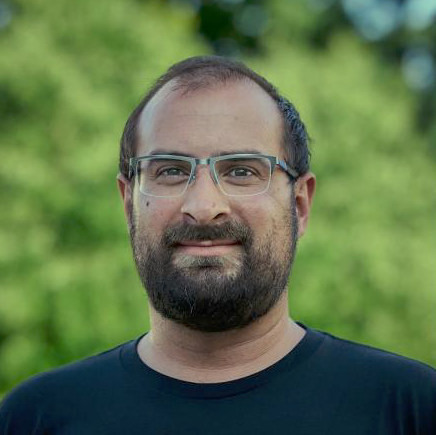
Joey D'Anna
Joey is lead colorist and CTO of DC Color. When he’s not in the color suite you’ll usually find him with a wrench in hand working on one of his classic cars or bikes
Stella Yrigoyen
Stella Yrigoyen is an Austin, TX-based video editor specializing in documentary filmmaking. With a B.S. in Radio-Television-Film from UT Austin and over 7 years of editing experience, Stella possesses an in-depth understanding of the post-production pipeline. In the past year, she worked on Austin PBS series like 'Taco Mafia' and 'Chasing the Tide,' served as a Production Assistant on 'Austin City Limits,' and contributed to various post-production roles on other creatively and technically demanding project