EP058: Revisiting Client Communication
Revisiting Our First Episode – Client Communication
In this episode we’re revisiting our very first episode from all the way back in early 2024 – Client Communication.
In the past two years a lot as changed, and in service based industry like postproduction revisiting your approaches every once and while is a useful exercise. While we hit on some familiar themes, there’s lots of new topics and viewpoints discussed in this episode.
Some of the specifics discussed in this episode include:
- How post is still (and will always be) a people/communication business
- The good & bad of video conferencing
- Asynchronous text communication
- Review comments
- Synchronous text communication
- The role of no communication
LIKE THE SHOW?
Check out www.offsetpodcast.com for our entire library of episodes + some of the additional assets mentioned in this episode that are available for download.
Be sure to like it and subscribe to the podcast wherever you found it and be sure to check out our growing library of episodes. If you like the podcast it’d mean the world to us if you’d consider supporting the show by buying us a cup of virtual coffee –https://buymeacoffee.com/theoffsetpodcast
See you in about two weeks for a new episode.
Video
Transcript
01:00:00:02 - 01:00:15:08
Robbie
Hey, everybody, welcome back to another installment of The Offset Podcast. And today we're revisiting our very first episode, Client Communication. Stay tuned.
01:00:15:10 - 01:00:34:22
Joey
Support for this episode comes from Flanders Scientific and the XMP 270 and XMP 310. The accessible, lightweight and versatile monitors helping to bring HDR monitoring on set while also being very well suited to post-production work. Learn more at FlandersScientific.com
01:00:35:00 - 01:00:43:05
Robbie
Hey everybody! Welcome back to another episode of The Offset Podcast. I'm one of your host, Robbie Carman. And with me, as always, is Joey D’Anna. Hey, Joey, how are you?
01:00:43:10 - 01:00:44:14
Joey
Hey, everyone.
01:00:44:16 - 01:01:12:23
Robbie
Well, Joey, it is hard to believe that we are this far along, but we're now starting. We're at that stage in the show where we're going back to sort of revisit subjects that we had, that we had previously visited or discussed. And what's a better way to do that than start at the the very, very beginning, back in early 2020, for our very first episode on Client Communication.
01:01:13:01 - 01:01:38:15
Robbie
This is a this is an interesting one because this is probably, as we've said over the course of, you know, dozens of episodes that, you know, it is a communication business. It's a client facing business, it's a customer service business. And so, you know, of all the subjects that we can start sort of this retrospective tour on, this seemed like a good landing spot to kind of go back and kind of just revisit it because, hey, it's been two, two and a half years.
01:01:38:15 - 01:02:04:06
Robbie
Maybe some of our thoughts have developed on this. And then, you know, looking at that episode, we didn't get into some of the, I don't know, some of the particulars that I think now we have a better grasp on or we talk about more that kind of stuff. So this episode is sort of a sort of a rehash or revisit of that, but also piling on and adding on to some some new thoughts and some new ways of dealing with communication issues.
01:02:04:09 - 01:02:06:12
Robbie
Does that, does that hit it for you?
01:02:06:14 - 01:02:41:14
Joey
Yeah, absolutely. I think it's just, you know, like you said, like we've said a dozen times, it's a people business. And, you know, people can be your clients, your customers, but it also can be your collaborators or other vendors you deal with. Or if you deal with subcontractors, any number of different kind of communication lines pop up and down in every single post-production project and workflow, and it's just gotten a thousand times more important now that remote work is so much more normalized and so much more common.
01:02:41:14 - 01:03:03:21
Joey
You might have collaborators across the country, in another country, so there might be language barriers, there's technology barriers. There's a million different ways we can talk to each other and communicate. And the really important thing, the most essential thing is that, you know, you need to be clear, concise and effective when you're communicating with anybody in your workflow ecosystem.
01:03:03:21 - 01:03:09:13
Joey
And there's so many different concerns with every different method of communication that goes into that.
01:03:09:15 - 01:03:34:08
Robbie
Yeah. And I think the other thing that sort of dawned on me about this is that, you know, these things are not just about client communication. Sure. That's like where we'll put our focus here. But I think also I think since, you know, in the two and a half years or so since we recorded that first episode, I think, I think a lot about like, you know, other types of communication that are not client like.
01:03:34:09 - 01:03:57:19
Robbie
So internal communication, like between you and I and other people on our team, you know, working with a third party, like maybe there's a mixer involved on the project and I need to communicate with them. Right. I think some of the lessons learned about client communication are apropos to internal communications as well, whether that be people on your team or people just involved in the project that are, you know, other than the client.
01:03:57:19 - 01:04:19:02
Robbie
I think that that kind of thing happens to because I'm sure we've all been in situations to where it's like, hey, project is going swimmingly, and then there's one vendor that you have to deal with that's, you know, like, oh my gosh, this is like difficult, right? And so I think that that kind of the strategies about client stuff also will play into how to communicate with those people as well.
01:04:19:03 - 01:04:41:09
Joey
Yeah. And I think it's really extra important for colorists because, you know, we're kind of the last assembly stage of the project. Right. So we deal with everybody. We deal with creative approval. We deal with technical issues. We deal with graphics, we deal with audio mixes. You know, we're kind of the very end of a very long and complicated process.
01:04:41:09 - 01:04:47:14
Joey
So we got to need to touch on how do we effectively communicate with basically everybody involved.
01:04:47:16 - 01:05:08:01
Robbie
Yep. Yeah. Absolutely. Cool. So before we dive in, just a quick reminder. As always, you can check out the show on YouTube. Our entire library is there organized by season. So it's a great way to watch. If you want to watch the video version of the podcast. Of course, the show is also on all major podcast platforms including Apple Podcasts, Spotify, and so on.
01:05:08:03 - 01:05:27:11
Robbie
Perfect for your next commute or drive or or summer trip to check out the the the episodes that way as well. And then you can always head over to Offset Podcast. And at the very top of that page there's a submission button. It's been a while since we've done some user submitted questions or problems, so feel free to drop us a line there.
01:05:27:12 - 01:05:48:01
Robbie
Maybe there's a subject that you'd like us to cover. That's a great way to let us know about it. Of course, you can do the same thing in the comments on YouTube or or any of these podcast platforms. Also, just before we dive in further, I also just want to say we'd love it if you could help us get to 1000 followers on Instagram.
01:05:48:01 - 01:06:05:16
Robbie
We're getting close. That number is a very psychological thing for us. So if you have some friends or colleagues that could give us a follow on Instagram, every little bit helps. That is a great way to grow the grow the show, get it in front of more eyeballs as well. All right. So let's start out with this idea that it's a people business.
01:06:05:16 - 01:06:30:15
Robbie
I think that you hit a hit on this and sort of the intro that, you know, I think that it's more normal than not now for work to be done remotely. I mean, that's weird to say, but I think that it's just the new norm. I think with more people giving up office spaces, working from home, getting out of, you know, costly rent, etc., you know, it's not as common anymore.
01:06:30:16 - 01:06:52:20
Robbie
As for people to just get together and, you know, internally, we've talked about this a lot, and I just want to be transparent with the audience to that. I've recently discovered that I have a big problem with this. I recently got sort of, I guess, a diagnosis of ADHD, but it's not that kind of aged where I'm like, you know, not pushing everything off and procrastinating.
01:06:52:21 - 01:07:17:12
Robbie
It's specific. One of the specifics about it is that I have a real hard time inferring tone, intent, even direction when something is written right. And that can be an email. That could be a text message, that could be a frame. I o comment, right? And I couldn't figure out for the longest time why this was. I was having difficulty because I pride myself a little bit and being a good communicator.
01:07:17:12 - 01:07:36:09
Robbie
But I realized one of the things, especially with clients, Joey, is that for 20, 25 years, they were sitting two feet in front of me. I could read their body language. I could read their hand gestures, I could hear their tone, you know? So they might say something innocuous that they think is innocuous and a frame I o comment.
01:07:36:09 - 01:07:59:22
Robbie
And it lands totally different for me. When it's a frame I o comment versus hearing them say it right. So let's dive into that a little bit because it is still a people business. It's still sort of talking to people, learning people. But just the method has changed. And I want to just start with, first of all, you had mentioned this in the intro, this idea of clear, concise, you know, affective communication.
01:07:59:22 - 01:08:13:17
Robbie
What does that mean exactly? And how is that a little bit different now that we're not? I mean, because that's always been important. Right. But how how is it different or why is it more important when the person's not sitting directly in front of us?
01:08:13:19 - 01:08:56:12
Joey
Yeah. I mean, to me it comes down to that variation in things like tone and reading, you know, body language, intent, judging, sarcasm, jokes, things like that, stuff that we took for granted in the in-person world. Now, in the text or video conference or email or frame IO world, what we're running into, and you touched on this clearly, is that every single person individually has their preferences, whether they kind of realize them or not for how they communicate, and they have their blind spots for how they communicate with these different methods, whether it be text, whether it be video, whether it be phone, whatever, these different kind of avenues and methods that you could communicate
01:08:56:12 - 01:09:21:20
Joey
with, bring along with them. Every single individual has their own interpretation of them. And some people really like to only work in text. Some people want to jump on a video conference all the time. Some people don't really realize that maybe they're texting in a way that could sound really rude to someone else. That doesn't really read a lot of text, but to them it's just, you know, free flowing thoughts.
01:09:21:20 - 01:09:45:05
Joey
And if we were in the same room, it wouldn't be an issue because you would see it in their eyes that they're not being disingenuous or they're not being rude, but it can come off rude in a text. So when I say clear, concise, and effective, what I mean is clear. No matter what methodology you're communicating in, just think a little bit extra of you are getting your point across.
01:09:45:05 - 01:10:07:04
Joey
You're not implying something. You're not like leaving something unsaid. Just make an extra effort to be clear, concise because no one wants to read a billion line email. People are going to start to kind of fade off. You know, you don't you don't lose focus when you're face to face nearly as often as you lose focus. Reading a long, ranty email, right?
01:10:07:06 - 01:10:34:06
Joey
Yeah. And effective is just kind of bringing those things together. So what you're saying gets the idea across without dropping into any of these potential minefields of, oh, so-and-so doesn't really get tone from a text message or so and so over here really doesn't check their email very often, and this might go unread or something like that. So you kind of put all those things together and just take into account the medium.
01:10:34:06 - 01:10:48:12
Joey
And you can't predict everybody's reaction to everything, but you can use that to inform your decisions when you jump into a zoom call, when you write an email to a client, or when you drop a frame, I oh, comment.
01:10:48:14 - 01:11:10:06
Robbie
You know, I think it's easy to think about these techniques, these strategies as being on your side only. Right? Like that. Like, you know, your job as the service provider is to provide excellent communication. And I think that's true. But I think one of the hard problems for me in this new world has been is how can I?
01:11:10:08 - 01:11:31:06
Robbie
And I'm using this term loosely, but how can I train the client a little bit better for effective communication? Because, oh yeah, I think that's that's the thing too, is that like, you know, we've we've said, you know, hey, the client has preferences for how they want to communicate tax, email, video, whatever. Like that same thing is true on your end too, right?
01:11:31:07 - 01:11:52:03
Robbie
Like I said here, like, hey, I don't do a particularly good job at reading some of the stuff, or I read tone or intent or whatever. And I've said to you, even internally in our communication, like, hey, I'm way better when we're face to face or on a video call or whatever. And I think that that that kind of training is also something that you can kind of subtly put into play.
01:11:52:03 - 01:12:09:20
Robbie
Right? So like if you're if you're writing an email and you're like, hey, blah, blah, blah, blah, blah blah, and you're doing all the things that we've just talked about and you get one word answer like, fine, great, awesome. You know, or or or the opposite of that. It's for boss. And you're like, I can't tell if this person's digging into me or not.
01:12:09:23 - 01:12:32:04
Robbie
I think those are opportunities to sort of to to state it clearly. Like I couldn't tell exactly what you meant by this. Maybe we could jump on a quick call so I can understand better and like, be proactive about that before there's before there's a communication breakdown or misunderstanding. Like you have to do what works for you too.
01:12:32:05 - 01:12:55:14
Robbie
So yes, in one hand you want to do what's best for the client. Hey, I get it. Like you're busy emails better than voice or video call, but at the same time, like it's your job as the service provider to also stop potential miscommunications in their place. And if that means, hey, dear client, I need you to do what's best for me for this one time.
01:12:55:18 - 01:13:14:14
Robbie
Like, that's that's better. And I also think along the same lines to like, you know, one of the things in the past, since it's past two and a half years since we've we've done this episode, was that I've thought about the frequency of communication. And here's what I mean by that is so like, when I'm getting confused, right.
01:13:14:15 - 01:13:39:02
Robbie
I'm not I tend to, not now. These days. I tend not to send an email at or, you know, call it every confusion point. I let three, 4 or 5 things build up. So then I'm like, hey, you have a history of confusing me, right? And then it's just an easier response of, hey, I need clarification on this bucket of things rather than just this one thing.
01:13:39:02 - 01:13:41:06
Robbie
So I'm not coming back every time to.
01:13:41:11 - 01:13:59:07
Joey
Yeah, and you know what I like to think about when it comes to kind of nudging the client into maybe a different type of communication, which is a very useful thing to do, is think about signal to noise ratio as you're going back and forth, you know, kind of keep track of how much noise there is and how much intelligible signal there is.
01:13:59:08 - 01:14:21:05
Joey
And if you find yourself that the signal noise ratio is going down, going down, going down, maybe it's time to like you said, hey, client, let's just jump on a quick call and we can talk this through. Now you've got to think about these methods again because the opposite could be true. You could have a client that loves to jump on zoom calls, but none of them are productive because they're sitting there like they're cats jumping around there chit chatting.
01:14:21:06 - 01:14:39:06
Joey
They're distracted, or they're just like really easily driven into tangents. So you could kind of like, okay. Schedule the zoom call to be only 15 minutes, and then you get to the end of that 15 minutes, say, okay, great, we made some progress here, but I've got this link up on frame IO. Could you write up some notes and then we'll jump back on a call and review them.
01:14:39:07 - 01:14:57:21
Joey
Right. So you can kind of if the text isn't working, nudge them to a call. If the call isn't being effective, nudge them to a more concentrated, you know, sit down where they have to focus aspect like a text or a frame IO or something like that. But you can kind of monitor that and just figure out, hey, what's the signal to noise ratio in this feedback?
01:14:57:22 - 01:15:01:23
Joey
And is this the time to try to intervene and try something different?
01:15:02:01 - 01:15:30:06
Robbie
Yeah, I think a lot about the idea of having agendas and plans. I think that that is better than, hey, let's just get on a call and talk about it. It's kind of open ended, right? It could go a lot of different directions. It could lose focus really easy, whatever. You know. So like one of the things I've started to do to with clients is like, you know, in maybe it's in the title of the zoom call, or maybe it's when I email them the link or whatever.
01:15:30:06 - 01:15:59:14
Robbie
It's like a bullet of, hey, this is what I'm trying to cover. Bam bam, bam, bam. To keep us both focused and to make that communication a little bit more effective in that regard as well. The one other thing that pops to mind about this in terms of overall strategy to is that, I think it's awkward, but at the same time, I think we've all made plenty of mistakes, assuming that, hey, this seems like it's good communication.
01:15:59:14 - 01:16:19:09
Robbie
It's working. I think it also pays to be a little awkwardly overt about this, right? Be like, hey, listen, you know, I'm speaking for myself. Hey, client. I'm a very verbose, talkative kind of person, right? And I'm going to be throwing a lot at you. I don't want to bog this down. What's the best way for me to do this?
01:16:19:09 - 01:16:38:09
Robbie
And just like, it's kind of a weird, like, you know, situation, but, like, at the same time, get them to just say, you know what, I appreciate that. That's very thoughtful of you. You know? Hey. The best way for me is just to send me a text when files are ready, like, like overtly getting that information, I think is better than just assuming which way it is.
01:16:38:10 - 01:17:01:22
Robbie
Now, let's switch gears a little bit, because I think one of the things that has and you kind of alluded to this, people, you know, people catch jumping around, etc., the video audio conference is it never went away after after the pandemic. Right. I wish I had one tenth of 1% of the income that zoom makes or, you know, or Google meet up or whatever, right?
01:17:01:23 - 01:17:09:13
Robbie
Because it's just it's it's crazy. Let's talk about that a little bit because that is a.
01:17:09:15 - 01:17:31:09
Robbie
It's a new way. It's like a weird medium ground. It's not maybe as good as being in person, but you're hearing inflections, you're seeing body language, that kind of stuff. Right. But I think there's still a lot of problems with it. And I want to give you 2 or 3 problems that I have with with zoom or video conference calls and see if you agree and, and amend them.
01:17:31:14 - 01:17:54:11
Robbie
So number one, I find it actually easier than in person to be a bad communicator in terms of interrupting. Right? I'm really bad with that to begin with because my mind is racing and I'm like trying to complete somebody's thoughts. But when you add in potentially like a little bit of latency plus and.
01:17:54:11 - 01:18:14:21
Joey
I just almost stepped on you to mention latency because we're on a zoom call and I stop myself just like, wait, I'm about to, you know what? I was in my head. But you're right. The latency. Every user has their own latency. So that flow of conversation, it's very easy to step on people no matter how good the conference is.
01:18:14:22 - 01:18:37:05
Robbie
And it's and it's exponentially worse when there's three, four, five people on the call. And in the places like zoom or companies like zoom know this, right? They have the the hand raised icon and all that kind of stuff. One thing I would say that I've been working on to various degrees of success, I definitely do it better with clients than I do it with you, because I still step on you all the time or interrupt or whatever.
01:18:37:05 - 01:18:56:12
Robbie
But one of the things that can help is with a stream deck with a keyboard shortcut or whatever, like use that mute control right to. And it really can help you like, like configure it to where it's like, you know, it's a press to talk, not oppressed to mute. And that will get you a little bit more conscious about like that.
01:18:56:14 - 01:19:21:12
Robbie
Is somebody done? Is that interruption done? I also think that we have a tendency, or at least I have a tendency to like, not let silence fill the conversation. And that can be good and bad. Like, I think it's like my attempt to, like, not make things weird or keep the conversation going, but it also has the end product, especially on video calls of making it feel like an interruption, making it feel like you're stepping on somebody, right?
01:19:21:13 - 01:19:40:23
Robbie
So don't be afraid to. I think of that extra, you know, beat or two of silence after somebody finishes their thought. It can actually be a very good thing to let somebody know that, like, you're processing what they're saying, you've thought about it and now you're going to return it to them. And so I think that's one thing to be, to be aware of.
01:19:41:01 - 01:20:05:05
Robbie
Support for this episode comes from Conform.Tools. Conform.Tools allows you to translate timelines between Premiere and Resolve and other NLEs, while automatically solving common issues that normally need to be fixed by hand. Avoid time consuming trim and transfer issues, and securely send large media files to collaborators at a fraction of the size and in minutes instead of hours.
01:20:05:09 - 01:20:29:09
Robbie
With a growing toolbox of features let Conform.Tools, handle the tedious stuff so you can focus on the creative. Built by post professionals, Conform.Tools, helps editors, colorists, and conform artists move faster and finish stronger. Learn more at Conform.Tools. Now you mentioned also like people feel uncomfortable. I feel like I kind of understand what you're saying about that.
01:20:29:10 - 01:20:33:04
Robbie
Well, on that a little bit, because that's an interesting thought.
01:20:33:05 - 01:21:01:07
Joey
You know, it's because look at our setups here, right? We have professional cameras, professional lighting, real nice microphones because we're recording a podcast. Right? Yeah. We're the minority of people most you know, we've set up home offices for dedicated actually doing our work in an office. A lot of people, especially clients, producers, any of the stakeholders in this process might not have that luxury.
01:21:01:08 - 01:21:22:18
Joey
Right? We might be in their living room. We might be, you know, interrupting their day in a way that is physically different than if we were in the office. Right? If we're in the office, there's a set of expectations. If I am coming into your house, in your living room, that's a different set of expectations, and that can make some people really uncomfortable.
01:21:22:18 - 01:21:45:03
Joey
That's why, you know, zoom has some tools for this blur, the background stuff like that or background replacement. But even with that, you know, the inherent possibility of distraction, the all of the things of bringing someone into your kind of personal space in a professional context can really turn some people off and make them kind of close down mentally.
01:21:45:03 - 01:22:16:20
Joey
And I think it's just important to be cognizant of that. Right? When little things go wrong, ignore it, let it pass. Try as hard as you can to make people feel comfortable in the conversation without being too overt about it. It's just one of the many things, I think that now we really need to be cognizant about versus, you know, in the office, there was just this normalized set of expectations that has now gone completely out the window, and it was like a light switch that flipped when they went out the window.
01:22:16:21 - 01:22:39:00
Joey
Right. So we had this set of expectations. They don't apply to my producers sitting at their kitchen table now talking through notes over zoom. You know, it wasn't like we were going to slowly transition to that and figure out how best to, to utilize that technology. It was. Oh, this is what we're doing now. Cool. Hi, Cat. Hi.
01:22:39:02 - 01:23:02:15
Joey
You know, bright sunshine coming in through the window. You know, it was just it was like a light switch. And I don't really have any actionable, like, you have to act this way or you have to act this way. It's just something when you're talking to your clients or you're talking to your collaborators, be aware and have some patience because they might not be feeling the same way about their little zoom environment that you are.
01:23:02:17 - 01:23:19:23
Robbie
You know, I never really thought about that, but I think that that is true, that people are they're not focused on the conversation. They're worried about the screaming kid in the background or the dog barking or whatever it may be, and they're less focused on the content of the call and more focused on. That's a really interesting person.
01:23:19:23 - 01:23:23:14
Joey
You never looked at a mirror of yourself while you were talking.
01:23:23:16 - 01:23:24:14
Robbie
Yeah, that's true.
01:23:24:14 - 01:23:25:16
Joey
To, you know.
01:23:25:18 - 01:23:48:11
Robbie
Yeah, that's true too. So I think that, you know, those all those things are good. I think the idea of, you know, sort of meeting agendas for video calls, sort of the expectation of the environment, all that kind of thing. The other thing that strikes me about video call communication that I think, I don't know, I go back and forth a little bit about this, right?
01:23:48:12 - 01:24:15:01
Robbie
Is that, you know, you said something just a second ago about the mirror on the wall. I think that one of the, one of the things that is, is in our line of work and post-production and communication that you should always be prepared for, and I think it helps is when things are discussed in abstract. Right. And this is, again, one of those things where I feel like we're trying we can do better jobs at replacing the sweet kind of thing.
01:24:15:01 - 01:24:36:21
Robbie
And and I'm not talking I want to be clear, I'm not talking about like a streaming review session, per se. I'm just talking about the interaction that happens in those kind of moments. And the suite where, you know, picture this, there's a problem, right? And so, you know, you turn your chair around or you go over to the couch and you're talking through the problem, right, or the issue or whatever.
01:24:36:21 - 01:24:56:17
Robbie
And oftentimes you'll be like, oh, yeah, you know what? Let me let me switch back to this other shot and see if it's there or let me, let me point something out on screen or whatever. Right. And I think one of the things that can be helpful in video conferencing for communication is if you're discussing especially something technical before you jump on that call.
01:24:56:23 - 01:25:16:15
Robbie
Like I'm not saying like you have to build a slide deck or something super professional, right? But be prepared to demonstrate and show things. I mean, because like, after all, like, why are you on a video call if, you know, like you could just do it as a phone call if you're if you're not going to show and tell a little bit, take advantage of the technology a little bit to have those opportunities to show and tell.
01:25:16:16 - 01:25:35:21
Robbie
So sharing your screen, showing them, you know, thing or whatever, like all of those things I think can help in the long run get the points across. Because I find like I find with video calls to sometimes where it's like, yeah, I think I know what you're talking about, and it could click for them instantly. If you're just going like, here it is.
01:25:35:21 - 01:25:44:06
Robbie
Look at the problem. Do you understand what I'm saying? Yes. So like a little bit of show and tell on video calls to I think goes a long way.
01:25:44:08 - 01:26:06:04
Joey
Yeah. And you know, that's kind of replacing you could just point to the screen in the office. You kind of make gestures and explain things. You know, it's just kind of trying to find these little ways to make each one of these methods just a little bit more effective. And that kind of brings me to the next category of method for communication, which I'm going to call asynchronous text.
01:26:06:04 - 01:26:38:08
Joey
As in, it's not real time, it's not slack, it's not discord, we're not text messaging. It is all text based, but it is completely asynchronous. So that basically encompasses email communication and things like frame IO comments or Dropbox comments or something like that. And that's another thing where we always used it. But now that we're primarily leaning on it, I think the expectations have changed a little bit, and we need to be cognizant of that when it comes to email.
01:26:38:10 - 01:26:55:15
Joey
You know, it's tried and true. People are comfortable with it, but it's also very easy to get overwhelmed and have email overload. Oh, I sent you one thing. I sent you another thing, I sent you another thing. And email doesn't organize very well in terms of hierarchy. I know some apps do it different ways and that can be helpful.
01:26:55:15 - 01:27:21:11
Joey
But you know, like you were talking about before, when you're confused, it helps to instead of saying this confusion, this confusion, this confusion kind of aggregate things into, you know, individual blocks where we're not flooding the signal. Right? Instead of ten small emails, make two medium emails. Again, like we talked about earlier, though, being cognizant with not making a gigantic email.
01:27:21:11 - 01:27:21:20
Joey
So like.
01:27:21:23 - 01:27:22:10
Robbie
Yeah.
01:27:22:12 - 01:27:26:19
Joey
So it's a balance. And that applies I think to frame IO comments as well.
01:27:26:21 - 01:27:50:17
Robbie
Yeah. The gigantic email thing is I mean, I said this in that first episode, it's a problem that I have with being too communicative and too detailed about things. One of the things that I've tried, I think so I think that one of the obstacles is the wall of text in an email, right? Somebody sees the wall of text and it looks like a novel.
01:27:50:17 - 01:28:06:00
Robbie
They don't read it right. And I can't tell you how many times I've had clients be like, oh, it would be great if you could do x, y, z. And I'm like, yeah. And that that classic snub, right. Per my last email. Right. I did say that. Right. And they just they just didn't read it because it was it was this huge part.
01:28:06:05 - 01:28:27:07
Robbie
So one of the things that I've, I've experimented with in the past year or a couple of years since we've done an episode, is I try to a couple of things I'm trying to do in email that I think makes it more effective. I'm trying to separate, like really kind of build sections in an email. Right? So like here's like, you know, a classic example, let's say I'm sending somebody a review link.
01:28:27:07 - 01:28:38:10
Robbie
Right. Very first thing that review link is above all else it's here's the link to the file right at the very top. I don't want to have them read where is the link?
01:28:38:11 - 01:28:40:20
Joey
Where it's the end of most of my emails.
01:28:41:01 - 01:29:06:08
Robbie
Is true, followed by I think breaking up paragraphs into bullets, dashes some, you know, some sort of like whatever. And then I think the third part of that is that it's that that internal litmus test, if I have to write more than two, three bullet points to explain something, that is my opportunity to be like, there's some other details here that I want to discuss.
01:29:06:08 - 01:29:23:03
Robbie
What we can do that after you take a first look or something like that, maybe we can jump on a call or a live stream or something like that because like, you risk again, the more like you want to be detailed, you want to explain what's going on, but you can also at risk of confusing people, having them gloss over and not read it, etc..
01:29:23:03 - 01:29:43:10
Robbie
So I think email construction is also a big thing. And like that also goes back to what I was trying to say on, about like video calls to like if there's some if you're trying to describe a problem, maybe be a little prepared to show it. So like if you're like, oh, this, let's not quite lining up or whatever.
01:29:43:12 - 01:29:58:20
Robbie
Here are some attachments you can take a look at when you want. I'm not going to go into like, you know, excruciating detail about it. Like that kind of thing I think can help. I think the other thing about email and I think you, you, you and I have been talking about this a lot and I don't know why we haven't done it.
01:29:58:20 - 01:30:20:20
Robbie
So I've gotten into this workflow where I've realized that my most effective time of day is usually between like four and like 9 p.m., right? But I don't necessarily want to like set the expectation that, like, if I email somebody at 10:00, 11:00 at night that like they need to get back to me, right? Like and so we.
01:30:20:22 - 01:30:25:07
Joey
Yeah, we're calling it asynchronous for a reason. We shouldn't pretend that it should be synchronous.
01:30:25:08 - 01:30:46:17
Robbie
Right. And so like I've had some annoyed clients being like, why are you emailing me at 10:00 at night? Right. And I want to be like, well, it's just when I'm choosing to work on this. And so, like, there's that thing that people have been adding to emails over the past few years that I'm considering. You've mentioned it too, is that, hey, my working hours are not the same as your working hours.
01:30:46:18 - 01:31:04:13
Robbie
Like don't don't feel like the need, the compulsive need to respond to this now, right? The other thing that's I think is reliable go to for that as well is scheduled emails right? Yes. Like you know schedule something for the next morning. I love it's part of a game to me. I love picking random times like eight.
01:31:04:15 - 01:31:05:09
Joey
Seven, eight.
01:31:05:10 - 01:31:25:16
Robbie
Right. 907 right. So it seems a little more organic maybe than than it really is. But that kind of thing, like it's helpful for you, right? Communicate when it's at the top of your head. But nothing's saying that has to go out then. Right. So I would say, you know, leverage both of those things. Leverage like let people know that maybe you're working hours are not they're working hours.
01:31:25:16 - 01:31:49:04
Robbie
And that's fine. And then to take advantage of, you know, hey, get it down on paper while it's fresh in your head, but schedule it out because you know, nobody's, you know, the difference between 11:18 p.m. and somebody looking at it at 8:42 a.m. is functionally really no different. Right. And so like I think that's respectful to of people's like downtime.
01:31:49:04 - 01:32:10:11
Robbie
Right. Hey, I'm not going to necessarily hit you up at 11:00 at night even though that's when I'm working for you to respond to this and get into it. Now. We've been you've been saying, you know, the past couple of things have been about email, but I want to say one thing about comments in particular, because this just inside baseball, Joe and I have extremely different approaches to this.
01:32:10:12 - 01:32:34:09
Robbie
Right. And I'm not sure which one is better than the other. So let's just say you post a film on something like frame IO and somebody comes back and there's 8090 comments. Right? Joey just goes, thank you very much. I've read through all your comments. I will address them in my next pass. Right. I feel compelled to have a dialog with the client right in that thread of comments actually.
01:32:34:09 - 01:32:51:15
Robbie
Well, this is why I did this. Actually, that's why I did that. What do you mean this doesn't make sense? Like so my 80 comments. If you look at it like a lot of films I work on at the end of the at the end of a round, there's 230 comments or something in frame io and Joey goes, what the hell are you doing?
01:32:51:16 - 01:33:21:09
Robbie
Right? I'm really torn about this, right? Because in the suite we arrive at a decision with some discourse back and forth. Right? One of the hard things for me is the absence of that discourse when I get a frame IO link, but I also see the danger of it. Right. It gets really confusing. Maybe somebody like me and they don't pick up on the the tone or the inflection, and it starts to look like an argument and a fight, and then they've lost trust in you.
01:33:21:10 - 01:33:41:18
Robbie
So like, it's a really challenging area that I don't think in the two and a half years since we did this first episode that I've completely solved yet, because I see the benefits of communicating like that within a within a comment thread or something like that. But I also see the downsides, because the downsides a bit me quite a bit, you know, and so it's like, I don't know.
01:33:41:20 - 01:34:02:04
Joey
Yeah. And, you know, I don't really have an answer as to which one of these methods is, quote, better. I think it depends on the client, the project, a bunch of other factors. But just like you said, you know, replying to frame IO comments in text when somebody might not be getting the tone could come off as argumentative or it could not.
01:34:02:10 - 01:34:22:23
Joey
You know, you just don't really know. And that's kind of why I've always personally avoided it. I didn't want to. I know it's important to have that dialog and like you said in the room, it's a conversation. Nobody ever really had a second thought about that. But on frame IO, I'm like, are they even once? Once they leave a comment, are they coming back to look at the replies?
01:34:23:01 - 01:34:28:21
Joey
Not everybody will, I probably wouldn't. So are we, you know, screaming into the void at that point.
01:34:28:22 - 01:34:55:05
Robbie
So let me let me interrupt you because that's what I do on zoom calls. But you said one thing just now. That's a really important thing though, I think is a distinction. Fine. They say it to you and then there's nothing that doesn't feel like collaboration to me. Right. And that's what I that's what I feel like the like if that's the case, if we're just if our job is just to push things out, get feedback, execute it blindly.
01:34:55:07 - 01:35:14:04
Robbie
I'm not like I'm not a big fan of that. Right? Because like to me, like the best work happens when we're going around and discussing it. Is it too dark? Is it too blue? Is it too whatever. Right. And let's try this. Let's try that. And I think that that's lost on that. That's loss on both ends. So like again you know there's maybe.
01:35:14:05 - 01:35:14:15
Joey
Totally.
01:35:14:17 - 01:35:29:14
Robbie
Yes maybe there's a balance point to this. Right. Like maybe it's sort of like, oh, you know, just to say in the comment thread, great idea. I did it because of this reason XYZ why don't we do a live stream or get on a call and discuss this further?
01:35:29:14 - 01:35:48:10
Joey
Yeah, I was gonna say another kind of in-between option is take all their notes, forget about replying schedule. Hey, I read all your notes. I've got them all brought into my timeline. Let's jump on a live stream and walk through each of them together, depending on the project or the quantity of notes, that's probably the best, most effective way to do it.
01:35:48:11 - 01:35:50:00
Joey
Now that I'm kind of or even.
01:35:50:02 - 01:35:55:12
Robbie
Even like so like all the obvious ones, right? Like, oh, there's some blinking here or oh.
01:35:55:14 - 01:36:14:06
Joey
Yeah, that's the easy ones. And then keep the ones that you need to talk about. I think that's a better way to do it. But it also, you know, it's one of those things where we're considering it comes back to asynchronous versus synchronous, just like we were talking about with email of not everybody is going to consider frame IO comments to be synchronous as in real time back and forth.
01:36:14:12 - 01:36:33:22
Joey
It could just be I'm leaving it. I'm never coming back to it again. Whether you're the commenter or the reader, or it could be a back and forth comment thread. That's kind of a workflow question. It's one of those things where maybe it's worth having a quick discussion with your client about how they want to use a tool like frame IO.
01:36:34:00 - 01:36:59:12
Robbie
100%, 100%. And it's funny because I, I've talked to a lot of people over the years that have encountered these problems. And the interesting thing to them is sort of to me rather is sort of the the way that they approach this by combining sort of the video conference, live streaming, asynchronous part together as one thing. And here's what I mean by that.
01:36:59:15 - 01:37:24:09
Robbie
Plenty of colorists I know will start a stream at the beginning of the day when they start working, and just keep that stream open all day for somebody just to jump on, jump off, take a peek, whatever. Right. And that's a really interesting approach to me because it's it's like you're emulating. So I'm in a room, I'm working.
01:37:24:15 - 01:37:44:08
Robbie
You might be on a phone call or have to do emails or pop out for a second and you can pop back in, take a peek and like, I don't know, I've never really tried that, but that's it. Because, you know, if there's some expense involvement in and all sorts of stuff. But like, I think I can see that as a, as an interesting middle ground where all this kind of stuff meets together.
01:37:44:09 - 01:38:06:18
Robbie
Right? Like I'm just going to create a stream feel no pressure to join, but it's here if you want to. You can come in any one time you want. And if you have some feedback of what I'm doing at that moment, great. If not, I can explain it to you, you know, that kind of thing. And so, like, I don't know, I haven't tried that yet, but that's an interesting one to me to sort of just start a start a stream and then say anytime you want, just bounce in if you want.
01:38:06:19 - 01:38:17:07
Joey
Yeah. And you know, that could be good for some types of projects, not good for other types of projects. That's the other thing you got to really keep in mind is, is this method going to be effective for this particular type.
01:38:17:07 - 01:38:18:09
Joey
Of project?
01:38:18:10 - 01:38:47:04
Robbie
Support for this episode comes from Flanders Scientific and Gaia Color Direct Connect Volumetric Auto Cal. Calibration of reference displays is critical in our industry, and there's no easier way to calibrate than by using Gaia Color, which is standard on DM, XMP, and XMP C Series monitors. Gaia Color calibration allows supported probes to be plugged in directly to the monitor for fast, accurate and automated calibration,
01:38:47:04 - 01:38:56:06
Robbie
with no computer or operator expertise required. You can learn more about this powerful system at FlandersScientific.com
01:38:56:08 - 01:38:57:17
Joey
We've talked about.
01:38:57:23 - 01:39:29:19
Joey
Synchronous and maybe semi synchronous communication, the one that is now very common and I think the most divisive, and I think the most misinterpreted by everyone is what I'm calling synchronous text communication. That is, I type something, it appears on your screen, you type something that appears on my screen, it's a chat. It is a live chat that can be text message, that can be slack, that can be discord, that can be whatever internal tool a client is using for collaboration, right?
01:39:29:20 - 01:40:00:19
Joey
It is literally just a chat room where things are happening and things are happening. You can tag people, you can add files, things like that. This is where I think most miscommunications happen, right? For better or for worse, I'm not saying it's a bad way to use it. In fact, for a lot of projects, I love having a slack channel because little things can stay little and big things can become big separately in communication, right?
01:40:00:20 - 01:40:20:10
Joey
If it's, hey, I just uploaded that new logo for you, right? That is message clear, concise and effective. It's gotten to me. I've acted upon it. No other conversation needs to happen. This doesn't need to sit in my email forever. It doesn't need to confuse me with my ten other emails about this project. I've got the new logo.
01:40:20:11 - 01:40:48:04
Joey
We're all moving on with our life. Okay, that kind of stuff. Synchronous text is incredibly good at you get into more strategic things, discussing workflow, discussing creative. That's when the synchronous text can get real, finicky or reusable things where I need to go back and reference something someone said, now do I search for it in this long, long stream?
01:40:48:05 - 01:41:15:02
Joey
Right? It's disorganized. Or you have the opposite problem, which I've seen in a lot of projects and a lot of slack groups, everything like that, where you have organization overload, they try to take that stream and organize it into channels where you have 15 different channels, all saying however many on Red's, you know, because you try to itemize everything in such detail that nobody can focus on it because they were expecting just kind of a text stream.
01:41:15:02 - 01:41:40:04
Joey
So I have such a love hate relationship with Slack and Discord and all that. Because, you know, I've been on the internet for almost 40 years of my life, and a lot of that I was always on what was used to be called. I ask Internet Relay Chat. We did open source projects like this. We did. We all, all our friends talked to each other like this, where it was just one room long stream of consciousness.
01:41:40:04 - 01:42:03:11
Joey
People came in and out whenever I talked a little bit and then went away. It was never serious enough to be archived, so it would have been kind of the equivalent of like, here, I sent you the new logo. You got it. Great. Those low level kind of pulses of things. I think we're trying to use synchronous text now for more critical things than that.
01:42:03:11 - 01:42:08:20
Joey
And I don't think it's as effective at it, at least for me.
01:42:08:22 - 01:42:10:14
Robbie
Yeah. I mean.
01:42:10:16 - 01:42:13:00
Joey
Sorry to completely rant about it.
01:42:13:01 - 01:42:18:10
Robbie
No, no, no, I mean, I think this is important. I.
01:42:18:12 - 01:42:48:21
Robbie
Would I see the problem with slack, you know, discord other you know, next cloud talk whatever. Like any similar instant messaging kind of tool is that sensibly it's like, yeah, I'm sending when this is, you know, convenient for me, but it really does make the other side feel like, oh, they've seen that I've read this or whatever, and it's there that I have to respond immediately.
01:42:48:22 - 01:43:10:23
Robbie
Right. And so I think there's, I think there's a lot to unpack there. But let me, let me start with that one. And that is I think that one of the ways of handling this is to it goes part and parcel with understanding what their preference is. Right. So like, you know, if a client's like, hey, cool, let's use slack.
01:43:10:23 - 01:43:42:10
Robbie
But maybe like, how would you like me to use this? Would you like me to use this to like, ask like your opinion on everything? Would you like me to use this only on, like, things that I need from you or things that were delivered like get some sort of parameters about that, that communication. Second, I think that, you know, this can be like the expectation of response can be managed a little bit and that can be done through, you know, of, of sort of availability status.
01:43:42:10 - 01:44:16:03
Robbie
Hey, I'm here, I'm not here. You know, whatever. It's after 10:00 at night, they won't respond immediately like those kind of little messages. You get. The other thing I think that's interesting about that too, is that, you can sort of, as you said, get a little too deep in the weeds. And I think that it's one of those, those things where it's not such a big deal in like, you know, there's two people on the chat, but if there's like ten, 12 people in the chat, I think there are ways to mitigate the noise.
01:44:16:03 - 01:44:36:15
Robbie
I think certainly threads. I mean, that's something that we I know that you have a sort of a heebie jeebies response to threads because of your experience. But I do think that, like threads in general are a good thing in multi-user text communication like this. Right. So it's like, okay, you guys go over here, have that conversation, I don't have to deal with it.
01:44:36:18 - 01:44:45:02
Joey
And that's one way of doing what I was talking about of, you know, the the little things in the stream, the big things can be a threat.
01:44:45:04 - 01:45:09:22
Robbie
Right? But I think there's a difference between thread and like channel. Right. And so and I see I see benefits of both. I think when something is every conversation, it's constantly getting threaded. That's a, that's like a line in the sand of like, hey, maybe this kind of conversation needs to move to a channel, right? So it's just easier to follow, easier to organize eaters or search whatever.
01:45:09:22 - 01:45:30:17
Robbie
But I think that in general, people don't use the idea of threads enough, especially when it gets to a multi. It can get very confusing very quickly. Who's saying what, who's communicating to you? In the same regard though, it's pretty simple, right? Like it's just an agile. We at Rob whatever like to direct your communications a little bit I think is a small thing that can help.
01:45:30:17 - 01:45:42:12
Robbie
Right. Because I think I've been all been we've all been in that experience where there's ten people on a server and it's like, who are you talking to? What? Who is your question for? You know, that kind of stuff. And there's small things like that that you can do.
01:45:42:18 - 01:46:02:16
Joey
But as with everything else, especially in text world, that's its own pitfall. You might look at that as saying, hey, I'm just keeping things organized by tagging people. Somebody else might look at that and say, hey, I've got all my notifications turned on to a million because I'm neurotic, and now my cell phone is pinging like crazy with unnecessary stuff.
01:46:02:16 - 01:46:22:18
Joey
So all of these things, like everything else we've talked about, it's not a good or a bad. Well, there are a few actual definable bad, but in general it's not a good or a bad. It's a figuring out what works for the client, for the project. And part of that is when you're going to use something like Slack or Discord, treat it like a workflow tool.
01:46:22:18 - 01:46:46:12
Joey
And what I mean by that is actually define the parameters. You know, you don't have a facility wide mass without a folder structure and organization built into it, right? You don't just randomly throw files on there. We all know that's a horrible workflow. If you just throw everything into slack and say, cool, we did communication. That's also a really bad workflow.
01:46:46:12 - 01:46:51:02
Joey
It's a tool that you need to kind of structure and define with informed decisions.
01:46:51:02 - 01:46:59:17
Robbie
I agree, I think that's well said. And I think it's also one of those things where.
01:46:59:19 - 01:47:20:20
Robbie
I find that people try to extrapolate what works for an internal tool to necessarily getting it to work with an external set of people. And that might not be like, in other words, I think sometimes, like if you're if you're dealing with a series or something that's going over many months or a whole year or whatever, something like Slack or Discord makes a ton of sense.
01:47:20:20 - 01:47:46:06
Robbie
If you're doing 1/32 commercial with somebody, right? The whole idea of getting them set up a vitamin or slack, whatever, like it's just a level of complexity that's just like, it's just not needed, right? You're trying to you're you're forcing somebody into a system that might not be really required. Right. And I think that part of this thing is also a little bit of a subconscious thing that's happened in the past five years or whatever, where okay, great.
01:47:46:06 - 01:48:11:09
Robbie
Everybody's working at home and people are working in their underwear or whatever. They don't want to get on a video call, as you said, because things are awkward. So then they treat slack discord sort of like that for everything piece of communication. And that's not right. That's not right either. Right. Like it's not. It's just as annoying as, you know, you sitting there and your, your, your tiny Woody's while you're on a zoom call, you know.
01:48:11:11 - 01:48:43:19
Joey
Yeah. And the last thing I'll say about what we're calling asynchronous text, whether it's slack, discord, whatever platform. I know I'm an old man yelling at the clouds here, and I know I'm going to get some backlash on this, but any time I've used Slack or Discord or any of these in any kind of professional context, stop with the emojis and the gifts and the graphics and the silly, childish crap like, I know you know the upside of this.
01:48:43:20 - 01:49:08:14
Joey
Oh, we're trying to be lighthearted and have a nice conversation like we were in the office. I'm not saying people are like wrong to do that. I'm saying in this text format, we have enough difficulty with every different personality, inferring different things from words like we talked about. This could be argumentative or it's not argumentative, or are you paying me because you need me to respond to this right this second, or are you being organized?
01:49:08:15 - 01:49:30:10
Joey
What the hell is a fire smile? Whatever emoji mean? I have no idea. Multiply that by ten people on the team. We have ten people with ten different ideas and they're all sitting thinking to myself, do I need to respond? Do I need what? Right. It's one of those little things where it's like, just I just avoid it altogether.
01:49:30:10 - 01:49:49:21
Joey
I don't I will never put an emoji or a graphic or something that's irrelevant into a professional conversation. And when I see them, I generally ignore them because I have no idea what. Like it's one of the things that I have trouble trying to to judge intent with, and I don't want to make the wrong judgment.
01:49:49:23 - 01:50:27:14
Robbie
Yeah, I hear you on that to a certain degree. And there's definitely a subset of people who have replaced normal language, normal language with strings of emojis or memes or gifs or whatever. And like the memes gifs thing annoys me more than the emoji in context. Like I'm ridiculous with the smile. Like one of the ways that I've learned to compensate and sort of try to inflect some tone is by like things like that point or like a smiley face or whatever, because it's like my way of safeguarding that.
01:50:27:15 - 01:50:47:13
Robbie
Yes, what I just said sounds serious or whatever, but I mean it as like a light hearted kind of thing, right? But certainly there is a balance point with that, and I think that I will play contrarian. For one thing, I generally agree that there's a subset of people who overdo it, and I generally agree that for the most part, it's not really needed.
01:50:47:14 - 01:51:13:21
Robbie
However, I will say in this particular context it can be used as a more effective type of communication for certain situations. Let me tell you what I mean. Right. You write a client and it's or you know, some client writes me like, hey, just posted these files for you to download, you know, and that's that's it. Instead of having to respond, gee, thanks, I will pull them down now and let you know if there's any problems.
01:51:13:22 - 01:51:42:22
Robbie
Guess what? The thumbs up serves the same purpose, right? So like I'm not saying I'm not saying that like it's hey, go, you know, download the biggest emoji library and start using it to replace words. Definitely not. But I do think there's certain situations where they can be appropriate to communicate tone. And I think there's also certain situations where they're appropriate to as a shorthand to communicate something.
01:51:42:23 - 01:51:43:12
Robbie
Right?
01:51:43:13 - 01:51:51:12
Joey
Yeah, it definitely hits the concise. It sometimes hits the effective. I feel like it rarely hits the clear.
01:51:51:14 - 01:52:15:15
Robbie
Yeah, no, I can I can hear you. And I think, I think the default stance should be if you're somebody who likes to use them, I think the default stance should be go without first see what the other side is like, right? And in general, even if both sides are using these things, tread carefully because there's definitely a line where it's just like, what is this person doing?
01:52:15:15 - 01:52:41:17
Robbie
And I think, I think in the the professional context, I think is the biggest clue about this, right? Like if you're on a discord server with your bros or your friends or whatever, like that's one thing, right? Sure. Yeah. Like, you know, like ridiculous memes. Fine. Whatever. That's your thing. Go for it. You're talking to a client about a $20,000 job, you know, using, you know, some sort of meme that you pulled down from the internet.
01:52:41:19 - 01:53:19:00
Robbie
Appropriate level. Maybe not. And at worst, it's like, it could be like, whoa. Like I find that offensive. Like, why are you doing that? Right? You know, like, so you got to be you got to be a little careful in that regards as well. Now one other two other things before we close this out is that I wanted to kind of hit on this point of the opposite side of where I think that this, this, this conversation is going, and certainly our first episode was going is that we hit hard on the on the idea of, like, how important communication, types of communication, all the things we've talked about here.
01:53:19:02 - 01:53:57:10
Robbie
I want to just go out there on a limb and say that I think sometimes no communication has its role to right. And one of the things that I have, I've tried to, you know, sort of try myself and sort of mediate a little bit is the idea of my tendency to overcommunicate. And I find this strategy I'm about to share effective because especially in long form work, where let's say it's going to take me a week to do something right, or two weeks to do a film or whatever, instead of sort of narrating my every move.
01:53:57:10 - 01:54:20:05
Robbie
It's sort of setting up communication milestones, right? Hey, I got the project. It's received. Everything looks good. Hey, that's a milestone right there. I've received it. I've loaded in. Looks good. I'll be back in touch in a couple days to give you an update about where I am. So it's setting the expectation for them. It's not. I have to narrate every move that I'm making.
01:54:20:05 - 01:54:46:22
Robbie
But hey, if I started this on Monday, hey, Cobb, on Wednesday, I'll check back in with you and kind of give you a status update of where I am. Hey, I've made it. You know, halfway through the film, things are looking gait. I had a couple questions for you. And so like that idea of sort of setting up a communication schedule, whatever your method may be, I think is, is an effective one to sort of sort of set those expectations because it makes you feel like, hey, I'm communicating enough.
01:54:46:22 - 01:55:05:07
Robbie
I'm communicating on a schedule, but it also lets the other end. No, of like, hey, Rob said he'd get back to me midweek about a status of this project. I'm going to leave him alone to to let him do his work, because that's the other thing that we haven't really spoke here to is like, we've made it seem like us, as the service providers are the one who are doing the over communication.
01:55:05:08 - 01:55:21:06
Robbie
We've all been a part of projects where Jesus, just let me work, stop bothering me with, you know, tidbits about this, right? And so I think that by setting up a communication schedule like that or something similar, it also lets the client off the hook a little bit, but like, okay, cool, I'm just gonna let them do their thing.
01:55:21:07 - 01:55:39:08
Robbie
They'll check back in if they have any problems or questions. Right. And you know, I don't know. I think everybody finds a little balance point for that. But it's one thing that since we recorded this, this episode a couple of years ago that I've really tried to focus on of, like right at the start of the project, I'm going to brief you kind of in this the schedule, does that work for you?
01:55:39:09 - 01:55:42:07
Robbie
Great. I'll just do my thing.
01:55:42:09 - 01:55:59:17
Joey
Yeah. The only thing I would add to that is if you're going to do that, and I think it's a great way to organize kind of expectations for a project. You got to stick to it. And if that means kind of setting yourself reminders in your calendar, hey, I said I was going to email this client back on Wednesday.
01:55:59:17 - 01:56:15:12
Joey
If you said that you're going to email them back on Wednesday. Even if you don't have anything really actionable to report, you still want to send them an email on Wednesday because that's what you said you were going to do. And you want to set the expectation with the client that I've frame worked when and how we're going to communicate, I'm going to stick to it.
01:56:15:12 - 01:56:16:15
Joey
You can rely on me.
01:56:16:20 - 01:56:41:01
Robbie
Yeah. And I think that there's a tendency in that regard to, to, at least for me, that I need to also moderate and prioritize what is important at that moment for that piece of communication. Right. I don't necessarily have to share. Hey, this is what the rest of the week looks like, or this is a blow by blow of what I've done prior to this communication.
01:56:41:02 - 01:57:01:22
Robbie
Right? So it's like not only is setting that expectation, but it's also like on you to sort of go, okay, Wednesday, this is day three of the film. What's most important for them to know at this stage? Right. Okay. Yes, I've gotten through X amount of time or I've encountered Y problems, whatever. And they don't need a blow by blow of everything you've encountered, right?
01:57:02:01 - 01:57:19:14
Robbie
I'm thinking about a film recently where like day three, day four, I was like, man, this is this is really tough and I can't figure out what's going on. You know, there was a levels problem or something like that. Like they don't need to know that. I can just be like, yep, I'm working through it. Like things are looking pretty good.
01:57:19:15 - 01:57:31:10
Robbie
I'll be in touch more soon. And like, you know, there's a there's a balancing point to, to to overcommunicate in these regards to where you make people worried. And that's, that should always be one of the state cards that you put in place.
01:57:31:14 - 01:57:32:16
Joey
Yeah, absolutely.
01:57:32:16 - 01:57:48:23
Robbie
And then lastly, Joey, I just want to because at the top of the show I mentioned, you know, kind of communication differences with like vendors and your colleagues and stuff too. I want to just say that I think everything that we've discussed here and in the first episode, a couple years ago is germane to that type of communication, too, right?
01:57:49:01 - 01:58:08:06
Robbie
Like, yeah, you might be a little more casual. You might be a little more relaxed. God forbid, use more emojis. Right. Like, my point is, is that all of those things play into the other people. Like if you're that colleague that's constantly yapping to another colleague and they're not getting work done, you're going to get a bad reputation for yourself, right?
01:58:08:09 - 01:58:16:07
Robbie
So all of the things that we've learned about client communication, I think, play to vendors, internal communications and that kind of stuff as well.
01:58:16:09 - 01:58:17:03
Joey
Agreed.
01:58:17:09 - 01:58:36:02
Robbie
Cool. All right. So we've had fun kind of revisiting this episode again. This was our very first episode from two and a half years ago. I think looking through the library, there's a number of these that we can jump on. Again, if you have any particular episodes that you'd like us to revisit, drop us a line by heading over to Offset Podcast and using the contact form there as a reminder.
01:58:36:02 - 01:58:57:23
Robbie
That's also a great way to submit ideas for future episodes. It's been a while since we've done any user driven episodes user questions. So if you do have some questions or a topic that you'd like us to attack, please drop us a line there. You can always follow the show on YouTube. That's where you find the video version of the show, as well as on Apple Podcasts, Spotify in all major podcasting platforms.
01:58:57:23 - 01:59:16:17
Robbie
And if you wouldn't mind, we'd love it if you consider dropping or visiting our bias a coffee link here on screen. Every little bit of support goes a long way to helping the show out to make future episodes, so we'd appreciate any support that you may give. And lastly, if you're on the old social media, on Facebook or Instagram, just follow us there by searching for the offset podcast.
01:59:16:18 - 01:59:28:23
Robbie
All right Joey, as always, this has been a fun one. Good revisit of these subjects. Good. You know, personal reminders of some of these strategies and that kind of stuff as well. So until next time for The Offset Podcast. I'm Robbie Carman.
01:59:29:05 - 01:59:31:09
Joey
And I'm Joey D’Anna. Thanks for listening.

Robbie Carman
Robbie is the managing colorist and Founder of DC Color. A guitar aficionado who’s never met a piece of gear he didn’t like.
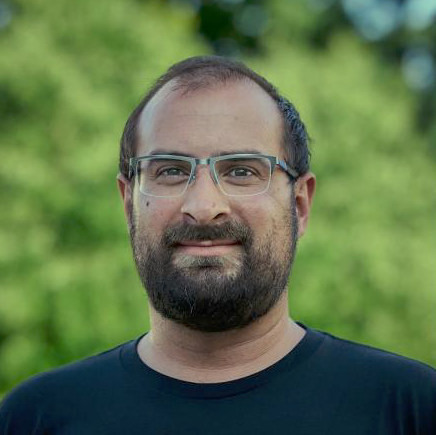
Joey D'Anna
Joey is an in demand colorist and technologist. When he’s not in the color suite you’ll usually find him with a wrench in hand working on one of his classic cars or bikes