EP 055:Refactoring Your Post Business
How A Programing Term Can Help Your Post Business
In this episode of The Offset Podcast we want to extend that idea to postproduction businesses – most of which (ours included) could use some streamlining, added efficiency, automation, and in general, improvement on all things related to the business.
Specific topics covered include:
- Refactoring pre-sales & sales
- Improving the onboarding process
- Gaining efficiencies in technical and operations workflow
- Bringing the refactoring concept to creative approach
- Understanding the idea of taking a step backwards to take two steps forward
- And more!
LIKE THE SHOW?
Check out www.offsetpodcast.com for our entire library of episodes + some of the additional assets mentioned in this episode that are available for download.
Be sure to like it and subscribe to the podcast wherever you found it and be sure to check out our growing library of episodes. If you like the podcast it’d mean the world to us if you’d consider supporting the show by buying us a cup of virtual coffee -https://buymeacoffee.com/theoffsetpodcast
See you in about two weeks for a new episode.
Video
Transcript
01:00:00:05 - 01:00:14:07
Robbie
Hey there! Welcome back to another episode of The Offset Podcast. And this week we're taking a look at refactoring your business and what the hell that means. Stay tuned.
01:00:14:09 - 01:00:34:04
Joey
Support for this episode comes from Flanders Scientific and the XMP 270 and XMP 310. The accessible, lightweight and versatile monitors helping to bring HDR monitoring on set while also being very well suited to post-production work. Learn more at FlandersScientific.com
01:00:34:06 - 01:00:44:22
Robbie
Hey everybody! Welcome back into another episode of The Offset Podcast. This is episode number 55. I'm one of your hosts, Robbie Carman. With me, as always, is Joey D’Anna. Hey, Joey, how are you?
01:00:45:03 - 01:00:47:01
Joey
Hey, everyone.
01:00:47:03 - 01:01:17:22
Robbie
So, Joey, this week we were thinking about a way of trying to talk about simultaneously talk about a number of things, sort of change that the industry is going through and the challenges that people are facing. And companies are facing small, medium and large, but also just sort of like the idea of like efficiency has been on both of our minds a lot recently, but then also just sort of the idea of like pivoting, getting better, improving, you know, thinking about our processes, that kind of stuff.
01:01:17:22 - 01:01:38:10
Robbie
So we're going to roll that all into one sort of giant ball here that we're going to call refactoring. Now, for those of you who might go, what is refactoring? This is a little bit of a campy homage to some of the vibe coding stuff that Joey and I have both been doing, where the robot generally tells you, hey, I got to think about this for a while.
01:01:38:10 - 01:02:01:10
Robbie
I'm refactoring, which basically means just kind of reorganizing out what what is where and how to consolidate it into a more efficient, better set of instructions in this case, programing that things can things can do. And so in this case, the refactoring we're talking about today is you, your business and sort of the state of affairs with things.
01:02:01:14 - 01:02:04:21
Robbie
Joey, did I get that definition more or less correct or is that is better? Right.
01:02:04:21 - 01:02:08:02
Joey
Yeah. Kind of taking it all apart and reassembling.
01:02:08:02 - 01:02:09:17
Joey
It into a more efficient.
01:02:09:18 - 01:02:28:09
Joey
Way, which in a world where our business is dramatically changing every day, every week, every month, every year, it's something really worth thinking about. Because if you just keep doing the exact same thing, you might work for a while. But when the world changes around you, you might not be ready for it.
01:02:28:11 - 01:02:44:21
Robbie
Yeah, absolutely. So we'll dive into that before we go on. Just as a reminder, you can always follow us on Facebook and Instagram. Just search for the offset podcast. All the video version of the show is also on YouTube, where you can find season one, two and three. All nicely organized there for you on YouTube. Check those out.
01:02:44:21 - 01:03:02:21
Robbie
You can leave us comments. We'd love to respond to those comments. We get some good ones there too. And of course, if you wouldn't mind or you consider supporting the show, you can do that through this link right here up on screen to buy us a cup of virtual coffee. Every dollar pledge there goes directly to supporting the show, so we appreciate anything you can do.
01:03:02:21 - 01:03:26:00
Robbie
And of course, anywhere you find the show, please like and subscribe. Tell your friends, tell your colleagues. And lastly, you can always head over to the Offset podcast com which is more or less the same thing as YouTube and or Spotify and Apple Podcasts, but we also have some additional show notes there. And it also, of course, is one place to find our complete library and an easy to browse kind of way.
01:03:26:02 - 01:03:46:02
Robbie
All right. So let's start out we sort of kind of defined a little bit of this kind of refactoring meaning what that means. But you know I think it's you know, sorry to be Captain Obvious here, but like the industry isn't is a state of change, right? I mean, I think that there's no denying it. I think some, some in our audience might have felt that a year or two ago.
01:03:46:02 - 01:04:07:02
Robbie
Some people are just starting to feel it. And that change is is wide and broad and deep or whatever other word you want to use it to describe it because, you know, it's affecting, you know, big agencies, big post-production facilities, but it's also now affecting, you know, the bedroom color is it's affecting the freelancer. It's affecting, you know, small companies like ours.
01:04:07:03 - 01:04:24:21
Robbie
What do you think? Just, you know, if you could a high level for us, what do you think is the root cause or some of the root causes of this sort of state of flux that we find ourselves in the industry? Because I think we need to understand that before we dive into how to rejigger ourselves.
01:04:24:23 - 01:04:50:04
Joey
Yeah. And I think there's a lot of factors here. There's you look at the biggest factors are things like you've got gigantic companies that are either combining or combining and moving gigantic brands that have so much under them underneath, and there's so much uncertainty about that. We've definitely seen some very major changes in that area recently with some big studios, although that something has been going on for 100 years.
01:04:50:04 - 01:05:14:22
Joey
Studios getting acquired, getting not acquired, getting taken apart, put back together, you know, that seems to happen a lot, but it's getting more and more, you know, all encompassing as some of these bigger companies become, you know, gigantic media conglomerates, if you will, with their fingers in so many different things. It's not just TV, it's not just movies, it's not just online.
01:05:14:22 - 01:05:34:10
Joey
It's not just streaming. It's kind of a little bit of everything. You know, all the way down to social media. Content is affected by gigantic companies merging with each other, you know, do they need social marketing or are they getting social marketing from a different team now that they've just brought on? So you combine that with the fact that the tools are always evolving.
01:05:34:11 - 01:05:56:20
Joey
We've got we've talked a lot about AI coming in and doing things, and I'm not as gloom and doom as some because I don't think AI image generation is ever going to be good enough to replace us. I know that's an unpopular opinion for people who think we're going to be able to achieve light speed as well, but at some point there are diminishing returns in these things, and improvement does not happen infinitely.
01:05:56:20 - 01:06:18:23
Joey
And I think that's something we can be kind of hopeful for. But it changes workflows, right. And if one part of the industry can be automated, then all the other parts of the industry kind of work around automating that one thing. And then, yeah, it's not just the people that were making that widget. Now, don't make that widget for a living anymore.
01:06:19:00 - 01:06:24:04
Joey
It affects everything. So I'm sorry to be so like general about it, but.
01:06:24:05 - 01:06:25:09
Robbie
No, no, I get it, I get it.
01:06:25:09 - 01:06:51:12
Joey
Every company is looking for efficiencies. Every company is looking for cheaper ways to do things. The consumer has changed and this is a big one. The consumer has changed in that a lot of consumers are happy with, you know, really crappy slop television. And because they're used to looking at little social posts and scrolling where everything is two seconds of instant gratification, two seconds of instant gratification, and that's it.
01:06:51:16 - 01:07:15:19
Joey
You know, we're not seeing as much original properties, a new intellectual property being brought into the ecosystem, which kind of feeds everything. We're seeing remakes. We're seeing 8000 superhero movies. We're, you know, so until the consumer also starts demanding more supply and demand, if there's not demand, there's not going to be the need to supply.
01:07:16:00 - 01:07:44:11
Robbie
I think that's pretty good take on the situation. I think I've been thinking a lot about in the terms of the word or phrase hesitation. And I think that with the gigantic sort of industry upheaval, with consolidation, you know, one set of billionaires buying another set of billionaires properties and all these mergers and, you know, but then you, you know, take on the, the FCC and all of that holistically.
01:07:44:12 - 01:08:08:16
Robbie
Right? I think leads to hesitation mainly on things that are more speculative and more risky. And I think that is generally where the most of the market exists. Right. We exist in this. Oh, well, this is a lower budget show. We're not sure about the return on investment. But you know, in years past it was just throw anything against the wall and see if it's stuck.
01:08:08:17 - 01:08:09:21
Robbie
Right. And now.
01:08:10:00 - 01:08:17:10
Joey
Pilots have we graded recently compared to or like, you know, the first episode of a season of the show that we might be thinking about making, you know, that.
01:08:17:13 - 01:08:17:23
Robbie
That that.
01:08:18:00 - 01:08:19:03
Joey
Exact place.
01:08:19:06 - 01:08:43:15
Robbie
Exactly. And that's not happening anymore, because what's happening is that that risk aversion, that hesitation to trying things out or throw it against the wall and see if his stick is shifted, probably too far the other way you just alluded to of all of the reboots and the reduce and the the known quantities. That's why I think that we're to a large degree seen, you know, I was in the discussion with this with a friend of mine the other day.
01:08:43:15 - 01:09:09:16
Robbie
It was like, well, Netflix and Amazon keep coming out with new things. But yeah, but look at it. It's with well-known actors, well-known directors, well-known producers, and anything that they're not doing like that, they're kind of just purchasing and repackaging. It's not like they're like greenlighting these middle and lower tier shows, because that's risky and that's potentially dangerous.
01:09:09:16 - 01:09:30:12
Robbie
And nobody when everybody's trying to get their balance sheets to be as sexy as possible for all of this consolidation, you know, you don't want to see, oh, we did 47, you know, real estate shows last year. And none of them made money. Right. Like but to us looking at that kind of content is where for 20 years we've really dug in and that kind of thing.
01:09:30:12 - 01:09:51:05
Robbie
So I think that that's, you know, again, I don't have a PhD in this. I'm not a not a perfect expert. It's just a guess. But I think it is like that consolidation. I think it's that risk aversion, that hesitation. And I don't know, I hope the positive side to me thinks that we're in kind of the middle state of the market correction of that.
01:09:51:06 - 01:10:10:22
Robbie
Right. And like it eventually corrects its way out. But who knows. That could be one two year process. That could be a 510 year process. Like it's very different. And then the other thing I would say that is at play here is that the the creator market and the way that people are consuming as you as you described is a really interesting one.
01:10:10:22 - 01:10:39:23
Robbie
I thought it really funny. The other day I was I watched a replay of the Dolby, the Dolby Vision, like, you know, semiannual, quarterly, whatever. That is a webinar that they have. And they were talking about, you know, making literally making technical adjustments to, to factor in second screen viewing where they mean, like somebody holding a phone or an iPad, influencing how they're seeing things from the couch on the television.
01:10:40:00 - 01:11:00:21
Robbie
Right. And it's like, what? So we're now contemplating how to run ads and do technical stuff because somebody is going to have a screen closer to them than their TV. And it's just like, nobody's figured that out, right? And so it's like it's a lot of weird complications like that. That again, to me bring in hesitation, stagnation, etc..
01:11:00:23 - 01:11:02:18
Robbie
That's kind of all at play.
01:11:02:20 - 01:11:09:19
Joey
Yeah. And you know, the big thing is I don't want to be doom and gloom, right? I want this as.
01:11:09:20 - 01:11:10:15
Robbie
An opportunity.
01:11:10:17 - 01:11:32:20
Joey
Does change, does offer opportunity. It might not offer easy opportunity. But as these things, as these large pieces that we don't control start moving. They uncover stuff or they kind of, you know, evolve new workflows. And that's where you can kind of evolve your business along with it. And that's that's kind of what we want to talk about today.
01:11:32:20 - 01:12:04:21
Joey
So what are some of the the key areas that we can, you know, dial down on and talk about what we can do now in the face of uncertain change. And, you know, big thing is sales. You know, we live in a different world now where we don't always see our clients face to face. We don't go to as many like industry events and happenings anymore because not just like post-Covid, but also with all of this upheaval, that stuff just doesn't seem to be happening anymore, right?
01:12:04:22 - 01:12:17:10
Joey
There's a lot less, I feel social stuff around the industry, so it's tough to to just stumble into jobs that used to be easier to stumble into. So it's more seriously in this new world.
01:12:17:13 - 01:12:39:15
Robbie
Yeah. And I would also just add to that it's just in sales and sort of the pre-sales and the client acquisitions and the marketing, like those are all things that, you know, always come to the forefront when things are slow and changing. But like the reality of it is these are things that we should be thinking about all of the time, about how to land new clients and always be ready and all kind of stuff.
01:12:39:15 - 01:12:57:07
Robbie
Right? I mean, I had a colleague the other day tell me something that I thought was interesting, that he was like, you know, I've always had the six month approach of like, planning out for the, you know, the next six months. Now he's like, that's down to three months. Now that's down to two months. And so I think yeah, it's like, you know, sometimes necessity forces us to take a look at this.
01:12:57:07 - 01:13:15:07
Robbie
And I think the three biggest things that I would say when it comes to sort of refactoring your business around sales, you know, sort of pre-sales, that's idea of just finding where the opportunities are. If you've never heard that phrase before, like, you know, sort of the due diligence on finding where the opportunities are and then the marketing and client acquisition stuff.
01:13:15:07 - 01:13:50:16
Robbie
I think number one is that you're absolutely right that the the touchstone that we used to have by getting together in person or at social events, networking events has largely changed. So that's the place I'd first start. I think that figuring out ways in your business to have those touchstones, whether it be an email newsletter, whether it be going out of your way and doing like for low, low or relatively low cost, a thing like a happy hour, even if it's, you know, or if it's centered around education, come to the facility or come to our office, we're going to be talking about X, Y, Z tonight, have a cup of cocktails, meet some people.
01:13:50:17 - 01:14:21:05
Robbie
Like I think that there's a, there's a, there's a tendency from people to go, well, if nobody else is doing that, I'm not going to do that. And I don't think that's the right thing. Right? I think that we have we can press those things, but more to the like the technical parts of it. This joy. I am flabbergasted all the time about how many people in our industry don't have any sort of in the general term, CRM or contact or client relationship management, right?
01:14:21:06 - 01:14:37:02
Robbie
Like none of that. And I think that's an important part about this. And so, you know, just to be clear, a CRM is going to sort of give you at a glance your history with that client. When's the last time you emailed them what the last project you work on. And there's lots of ways of doing this right from big to monster.
01:14:37:03 - 01:14:56:11
Robbie
I mean, you know, there's what is the sales forces of the world and that kind of stuff that can cost you, you know, 50, 60 grand a year. But I would encourage everybody to think about some sort of client tracking system. Right. And the reason that this is important is the following. You did an awesome project with a client.
01:14:56:12 - 01:15:15:18
Robbie
Loved it. Great experience, paid well. Everybody was happy. But maybe it was a long form project and there was some space in between projects. When's the last time that you reached out just to see what's going on with that person? Right. And how do you know when the last time, like if you have a lot of clients or managing a lot of projects, you might be like, oh, I reached out to that person.
01:15:15:19 - 01:15:21:01
Robbie
You know, three months ago might have been three years ago, the last time you did that. Right.
01:15:21:02 - 01:15:26:00
Joey
You're waiting on them to reach out to you with a need that doesn't always work.
01:15:26:01 - 01:15:44:03
Robbie
Totally. And just that, that reminder sometimes to be like, hey, I'm here. I'm not actually, like, pitching you on anything, but I just want to see, like, what's up? How are you doing? And like, I'll give you a case in point. We, you know, the past couple of years, very haphazardly and way have done sort of like, you know, kind of newsletters, whatever.
01:15:44:03 - 01:16:01:14
Robbie
And this year I was like, nope, we are going to do it at the start of every single quarter and tell people what's going on with us. New projects were working on, etc. and, you know, and that list is relatively small. I think it's like up to like 5 or 600 people now or something like that. But that's the kind of touchstone that I'm talking about, right?
01:16:01:15 - 01:16:11:06
Robbie
And yeah, you might get the person who's no longer in that job or has changed their email addresses, but guess what? That's also awesome information. To know if.
01:16:11:11 - 01:16:14:22
Joey
That's a beautiful thing is that person might be in a new job, right?
01:16:14:23 - 01:16:44:22
Robbie
Exactly. So like, oh, I'm looking for, you know, Joe Smith and Joe Smith's moved on to a new job. Perfect opportunity to find where Joe Smith is, reach back out to that person and do that work. And I think this is one of those things, like, it sounds like a lot of work, right? But I think that, like, if you spend a Saturday afternoon doing a newsletter or an email or something like that and reaching out, and then also it's one of those things where like, hey, the first half an hour in the morning when you get to your desk and you don't really feel like cracking open resolve and don't really feel like grading
01:16:44:22 - 01:17:03:03
Robbie
anything, right? Like, do this kind of touchstone work make it a goal to touch base with people you haven't talked to in a while? Do 3 to 5 of them a day. Hey, it's Rob, I just want to, you know, it's been a while. What's going on with you? This is what's going on with us. I would love to collaborate sometime soon.
01:17:03:03 - 01:17:33:23
Robbie
If we're a good fit for a project, reach out. And it doesn't have to be deep and complicated, right? It's just a hello.. What's going on? Support for this episode comes from Conform.Tools. Conform.Tools allows you to translate timelines between Premiere and Resolve and other NLEs, while automatically solving common issues that normally need to be fixed by hand. Avoid time consuming trim and transfer issues, and securely send large media files to collaborators at a fraction of the size and in minutes instead of hours.
01:17:34:03 - 01:17:51:20
Robbie
With a growing toolbox of features let Conform.Tools, handle the tedious stuff so you can focus on the creative. Built by post professionals. Conform.Tools helps editors, colorists and conform artists move faster and finish stronger. Learn more at Conform.Tools
01:17:52:02 - 01:18:17:05
Joey
So we've we've got the newsletter. We're doing better communication. You're managing your clients. What can we do business wise now? Once we get the clients, we get the jobs. How can we take advantage of some of this efficiencies that are coming into into the industry? Right. A lot of that is, you know, kind of automating some of the processes that we used to have to do manually.
01:18:17:05 - 01:18:43:06
Joey
And some of that is, you know, when you deal with kind of getting a project from a client, we now have so many more ways of getting projects from clients that clients are usually a lot more adept to helping you with the prep, being involved with preparing their project, and handing it off to you because you know they might not want to pay for a whole pile of hours of online editing, for example.
01:18:43:06 - 01:19:11:22
Joey
So this is a good opportunity to communicate with client people, their editors, their operations folks, all of those. When you're doing kind of that onboarding process, say, hey, here's a workflow that we could do where we kind of handle absolutely everything. But if you have a team that can do this, this and this and prepare it for us, we can really streamline getting the project to us, which is going to make this whole process more cost efficient for you, the client.
01:19:11:23 - 01:19:35:09
Robbie
I cannot tell you how often I think about this part of the process. Right. And you know that I've spent a lot of time in the past six months, especially thinking about this. Right. And I think it's actually even deeper than like once they've reached out. I think that, like, you know, to me, onboarding starts in that presales thing that we spoke about, that pre-sales and client acquisition start.
01:19:35:10 - 01:19:55:19
Robbie
Right. Like, I want I want to make it easy for a client to feel like they can reach out to describe what their need is. Right? So if the only way of contacting you is a phone call or some generic email where they have to really kind of think about what they're going to say and how they're going to position it.
01:19:55:20 - 01:20:17:10
Robbie
They're less actually, they're much less likely to give you that information if you just have to pry it out of them. Right. So maybe think about ways like on your website or social media, you know, or whatever, where you can have a call to action to encourage people to reach out. Like for example, we've spent a lot of bit of time on our website with like a contact or, you know, interesting.
01:20:17:10 - 01:20:35:18
Robbie
You want to quote here, here's a form to use and asks pertinent questions. What was the shot on? What's your timeline? What's you know, where is this going? Are there specs that we need to know about? Do you need a DCP? Do you not need, you know, whatever, all of those various things. So by the time that I'm a couple steps away.
01:20:35:19 - 01:21:03:10
Robbie
I've already gotten information gathering from them. I know about where their budget wise is. I know what kind of technology they're using. I know what they're editing with. So when I sit down or you sit down, or we both do to talk to this client, we're not having to have them tell that story. We're already, in a sense, have onboarded them slightly because we know more about the project than their email from scratch would probably do it because they've given us a link, all of those.
01:21:03:14 - 01:21:05:04
Robbie
So think about that, how you can sort.
01:21:05:04 - 01:21:08:00
Joey
Of don't always know which questions to answer. We need to.
01:21:08:02 - 01:21:09:12
Robbie
That's that's exactly right.
01:21:09:12 - 01:21:32:16
Joey
Here's the other thing too that I think is really important to think about is that in general, information should be free, right. So if a client comes to you, you're kind of in this onboarding process. They're thinking about hiring you for a job. Right. They have some questions. What's the best workflow. What's the best format. What kind of deliverables should we be thinking of all this stuff.
01:21:32:17 - 01:21:53:09
Joey
Have that conversation. Do not censor yourself if you have the knowledge to share with them. Share the knowledge, even if that means yes sometimes. Maybe they might think this one isn't the right fit. I'm going to take it to this other place or this other guy, but they're now looking at you as an expert because you were able to help them with their workflow, just even the slightest little bit.
01:21:53:09 - 01:22:07:21
Joey
And I can't tell you how many times that has turned into, oh, I have a little quick question about a workflow, even though it's not really tied to a job, how many times that turns into a real job is is worth it. Well, did you not keeping that information?
01:22:07:22 - 01:22:26:02
Robbie
I'll give you a key. I'll give you some point about that. You know, people talk about sort of the idea of, you know, bake versus conform and all the various steps and like just think about, you know, out there in the audience, think about how many times that you've had a discussion, maybe with an editor about a hand off.
01:22:26:03 - 01:22:45:00
Robbie
Right. So first of all, you've had like probably don't wanna have that conversation again because you've had it so many times, but you've built up a practical workflow guide of doing that. Hey, why not just make that workflow guide a little bit more of a formal thing? Maybe it's recording some videos about how to hand off to us.
01:22:45:01 - 01:22:56:21
Robbie
Maybe it's something like, hey, I have part of my website that I can send you a link to. It's hidden from general public, but it's a prep guide, part of the website. Maybe it's even a PDF. I don't I don't care what it is, right?
01:22:56:22 - 01:22:59:22
Joey
Get it out of your brain and onto something presentable.
01:23:00:00 - 01:23:17:02
Robbie
Exactly that. It saves you the bandwidth of having to have that conversation anytime it's discoverable and usable by the client, anytime they want to come back to it and look at it like, we have this problem all the time, right? Where clients would have had a new editor, come on, there's an assistant, whatever. Like you don't want to have that conversation again and have to train that new.
01:23:17:07 - 01:23:37:18
Robbie
Like, hey, go to our website. Here's a link. It tells you everything you need to know about prepping the project from Premiere Pro to resolve, for example. Right? And again, I don't really care what kind of form that, but that is a method of onboarding too that doesn't require that much effort on you. And like, it's even stupider, son, that stupider but more mundane stuff, right?
01:23:37:20 - 01:23:58:13
Robbie
Last week I was I was doing some coding stuff and I was thinking about problems to solve, and it came up. I was working with a project, and no matter how many times I tried to explain this concept to the person, the clock was wrong, right? They were editing in 2009 eight, the deliverable was 29.97. And so I was like, okay, I can't have this conversation again.
01:23:58:14 - 01:24:20:01
Robbie
So I just vibe coded a tool that does duration calculations from from various frame rates to other various frame rates, including tells you exactly how over you are and how under you are. Right? Super easy mundane tool. But that was a value add to that client. They're going to come back to that silly calculator every time that this is a problem now.
01:24:20:01 - 01:24:44:09
Robbie
And because they're coming back to that silly calculator, guess who's in their head? Rob and Joey in DC color. And so like, I'm not saying it has to always be a direct thing either. You can do education, resources, all of that kind of stuff that stands out as sort of dual purpose or try purpose onboarding. It's sales and marketing and it's education.
01:24:44:10 - 01:24:50:00
Robbie
Like you earn goodwill through doing those kinds of things as well. You know what I'm saying?
01:24:50:05 - 01:25:09:08
Joey
Yeah. And when you combine that goodwill with what we started talking this, talking about in this, which is reaching out, keeping those lines of communications open, you know, you'd be surprised. It's a great way to bring in jobs that you normally wouldn't have expected. Oh, we have a little you know, you do all of our hour long shows.
01:25:09:09 - 01:25:15:22
Joey
Great. We never thought about sending you these social things that we do. Why not? Why did we never think of that here? Why don't you do one of these social things?
01:25:16:02 - 01:25:35:06
Robbie
I had a friend of ours the other day talked about. He was like. I just decided that I, from his own purposes, he was going to write up an article about immersive workflows and resolve because he's like, this has been in my brain. I don't know how to explain it. I'm just going to write it. And he turned it into an article like kind of a multi-part article series.
01:25:35:08 - 01:25:56:05
Robbie
And he told me the other day, he's one like 3 or 4 immersive jobs because now people are like, oh, I found this by Google searching. You sound like you know what you're talking about. Like, let's have that next discussion. So I think that's some of those things can be definitely part of that onboarding. I think the other thing, Joey, about this is that there's a technical and workflow asset to making your clients life easier.
01:25:56:07 - 01:26:04:10
Robbie
So a couple additions or change and also factor that refactoring thing that we did.
01:26:04:12 - 01:26:24:20
Robbie
I made it sort of a goal with sort of your blessing earlier this year to completely redo our client portal. I wanted to make it really, really easy for clients to do multi-part uploads that wouldn't fail in the middle of the night, would, you know, do things like retry would give them easy to use links and that kind of stuff.
01:26:24:21 - 01:26:28:20
Robbie
Super mundane. Again, not sexy at all.
01:26:28:22 - 01:26:31:18
Joey
Way more complicated problem than you might think, though.
01:26:31:23 - 01:26:54:11
Robbie
Totally, totally. And it just got me like it's again, once you start using it, clients starts using it. Nobody's thinking, hey, this is cool technology and this really works. It's like, it's the fact that they're not thinking about it or not having to put that into the decision tree or matrix of the Detroit's they make. Oh, do I need to put it on Google Drive or Dropbox or Frame?
01:26:54:12 - 01:27:12:03
Robbie
Oh, wait, these guys already have this figured out. I can just drag a folder, I can drag files, I can drag a zip, I can drag whatever. And it automatically figures out. And from our end it was like a workflow thing, right? It's like, oh, we're in slack all the time. So it's like, hey, Gus, slack notification. You know, your client uploaded some files.
01:27:12:03 - 01:27:31:05
Robbie
Here's a list of the files they're ready to grab. Like, so like it works both ways. It makes us a little more efficient. You know, that stuff can be automatically downloaded if we want and that kind of stuff. But it's, again, a goodwill thing. Like nobody was paying us to deliver this experience to the client. Right? But it pays dividends later on by by making this easier for them.
01:27:31:05 - 01:27:48:08
Robbie
And the same kind of thing like, you know, we had this long discussion about, okay. Should we just go all in on a tool like Looper or Back to Street? You know, for a while we were on stream box and that kind of stuff, and I was just like, I don't know, man. Like, maybe we should do our own thing, right?
01:27:48:09 - 01:28:11:02
Robbie
And and like, you know, that turned into a little bit of a journey. But like ultimately where we're at right now, it's like it probably had a 97%, you know, usefulness and work it rebuilt that. So now we have our own streaming platform, right where we can do live streams, and I can even do things like, hey, you know, if you're not in the stream, but like, a client can load a file like a hey, I was thinking about this still as inspiration.
01:28:11:02 - 01:28:30:22
Robbie
Load it right up. It sinks to everybody. So like like my point is not the technology necessarily, but it's to think about things in the trouble pain points that you have in getting clients to believe in your work, believe in your workflow, and believe in your process. All of these things that we just discussed totally go to helping that out.
01:28:31:02 - 01:28:52:15
Joey
Yeah. And you don't have to build it all yourself. We like to build it ourselves because we think it's fun and we're nerds, right? There are a lot of really good commercial, off the shelf solutions to a lot of workflow problems that you can adopt, and you can start implementing with your clients right now that you might not be doing that will eliminate these pain points.
01:28:52:16 - 01:29:10:11
Joey
And yes, some of them are going to have some cost associated with them. But when it gets to okay, it is the most painless thing to work with. So and so on this, this project, that's where you want to be with your clients. And you don't have to do all of this custom work. We do it because we like it and it's fun, right?
01:29:10:12 - 01:29:20:23
Joey
But there are off the shelf solutions to many of these problems, especially, and ones that you can brand, ones that you can bring into your workflow that are customizable.
01:29:21:00 - 01:29:39:11
Robbie
So let's say let's sell a little inside baseball story to flat. Well, I think we're probably at 3 or 4 years with this now, but put in the Wayback machine. And this is really hard to admit to this, but Joey and I at one point. Maybe it was more like 5 or 6 years ago. At this point I forget exactly.
01:29:39:11 - 01:29:53:01
Robbie
But at one point we were doing project management tracking with cards and Trello. Right? We were we were managing when.
01:29:53:01 - 01:29:54:23
Joey
We felt like it.
01:29:55:01 - 01:30:17:14
Robbie
So we can write and like and I mean, I'm not to not Trello. Trello is a perfectly cool platform or whatever. But my point was that we eventually, like a lot of reasons, it was it was just difficult, wasn't working for us. And so at that point in time we were like, oh, well, we need a full, you know, full on project management solution because this is all just too much to keep in our heads.
01:30:17:14 - 01:30:37:04
Robbie
And we could have probably coded that up. Right. But to your point, why reinvent the wheel? Right? Like we ultimately landed on on Monday for our project management. It's been great. It's you know, it's not inexpensive. It's, you know, six, seven, $800 a year or whatever it is, something like that. But at the same time, like there's never a question of where's that project?
01:30:37:04 - 01:30:52:14
Robbie
Where is that invoice? Like, where is that? You know, like it's all right there at a glance. We track the podcast that way. We do a lot. I mean, Joey even uses it to track maintenance on his cars, for Christ's sakes. Right? Like, it's my point. Point is that. Yeah. You're right. There's a lot of tools out there.
01:30:52:14 - 01:31:14:06
Robbie
And I think when you're looking at these tools for, hey, is it going to replace you? You do have to do that. A little bit of a mental math and matrix. Like if you're somebody who's been vibe coding or proper programing or whatever for a while and you're really technical, I'm almost positive that the pieces to run a post-production or a business like this, you could probably do 100% of it on your own DIY style.
01:31:14:06 - 01:31:36:20
Robbie
But if you're a busy editor, a busy colorist, busy mixer, whatever. Like is that juice worth the squeeze? Maybe not always right? And so it's like, you know, you know, take your take your easy wins where you can get them for us. We could have rebuilt something like Monday, but why it was already there and it was like 98% of what we wanted to with little customization.
01:31:36:20 - 01:31:39:07
Robbie
And we got it there, you know what I'm saying? So like.
01:31:39:08 - 01:31:39:12
Joey
Yeah.
01:31:39:16 - 01:31:39:20
Robbie
When.
01:31:39:20 - 01:31:55:23
Joey
Was the last time we had to worry about where is a project? Right? It seems so long ago that, you know, the day to day management was such, you know, at the time you don't think it's bad because you're showing through it, but then you look back. You're like, oh, wow. We were really disorganized.
01:31:56:00 - 01:31:57:16
Robbie
And we and honestly way more.
01:31:57:16 - 01:31:59:00
Joey
Efficient when we're organized.
01:31:59:00 - 01:32:14:16
Robbie
And we could probably even use it better. I mean, we still get lazy, right? Like, you know, we could we could use some of the updates and notification parts of it better and all that kind of stuff. But you're absolutely right now that spins also I think into we've, you know, this onboarding that is kind of like services or technical stuff whatever.
01:32:14:16 - 01:32:42:19
Robbie
But I also think there's a little bit of like a creative refactoring that can go on when it comes to onboarding. Right. And I think the two things that I've been thinking about a lot are making clients feel that it's a collaboration and not a job, right. And I think that part of that is really better, doing the pre-sales work to really understand who that client is, what they their current work and their past work.
01:32:42:20 - 01:33:02:13
Robbie
Right. Here's the situation you don't want to be in. And I'm sure everybody in the audience has been in this. Clients like, oh, I sent you a cut to evaluate. So ahead of our meeting next week, you can have a better idea of what it's going to cost. And what do you do seven minutes before the meeting, you open up the link and you scan through it and you go, oh, okay, I got an idea of what it is, right?
01:33:02:15 - 01:33:35:07
Robbie
You don't have any idea what the characters are called anywhere. The shooting like my my point is taking that a little extra time to be tied into the creative process of the client and asking them the right kind of probing questions. Even if they're questions that, on the surface of it, don't seem like they have much substance, goes a long way to showing that you're invested in the creative process of like, you know, if you see a weird, you know, color cast on it, don't assume that it was bad white balancing or something, right?
01:33:35:08 - 01:33:54:08
Robbie
Be like, hey, I notice in this scene there's a really yellow kind of like haze to everything. Can you explain that to me? Was that something that was intentional? Is it going to tell this part of the story? And you'd be surprised how much clients light up to that kind of thing. Wow. You took the time to make a considered question.
01:33:54:09 - 01:34:26:22
Robbie
Yes, you are correct. That was something I did on purpose. Support for this episode comes from Flanders Scientific and Gaia Color Direct Connect Volumetric Auto Cal. Calibration of reference displays is critical in our industry, and there's no easier way to calibrate than by using Gaia Color, which is standard on DM, XMP, and XMP C series monitors. Gaia Color calibration allows supported probes to be plugged in directly to the monitor for fast, accurate, and automated calibration.
01:34:26:22 - 01:34:47:21
Robbie
With no computer or operator expertise required. You can learn more about this powerful system at FlandersScientific.com. The other one I've been thinking a lot about sort of that pre-sales stuff or sort of semi early stages of a project is, you know, about earning trust and satisfaction of the client early on. So later on it's not a problem.
01:34:47:21 - 01:35:04:19
Robbie
We've talked before about look setting sessions and that kind of stuff. If you're not doing some of that early on trial creative work, I would definitely encourage you to try it, because getting more streamlined and packaged up with those creative processes can also help, for sure.
01:35:04:21 - 01:35:29:03
Joey
Yeah. And the last thing you want to do is kind of put the cart before the horse and you know, when you get the job, get all excited and start going, you know, powering through it with the wrong approach because you haven't had that considered conversation with the client. Yeah. And part of this whole idea of, you know, refactoring the business in general is that, you know, as things are changing, you might have some downtime.
01:35:29:09 - 01:35:46:08
Joey
We don't like having downtime. Nobody likes having downtime. But that's when you kind of explore these workflows. And what you can figure out to, to optimize things is when you have that downtime, don't let the downtime be a it's doom and gloom. Let the downtime be an opportunity. Oh man.
01:35:46:09 - 01:36:08:16
Robbie
So well said. And that's what I think that if you walk away from one thing of this episode, it is to use that time that you might be, you know, you could spend feeling sorry for yourself, feeling sorry for the industry, feeling sorry for the business, whatever. Use it to push the ball forward. Right. If there have been projects on your mind.
01:36:08:18 - 01:36:32:04
Robbie
Yeah, I'm going to get to this. Don't procrastinate. Do it now. Like, this is the perfect time to think about it. And if you can do it in a positive light, that's also moving the ball forward for your business too. Well, hey, even better if you can spend 3 or 4 days messing around with ChatGPT or Claude and, you know, make a custom little workflow tool that improves your and your client's life.
01:36:32:05 - 01:36:54:15
Robbie
That's that's part of like like I think there's sometimes like this idea that, like, if I'm not doing the thing that clients pay me for. I'm not working. Right. And I don't think that's true. I think that there's plenty of work that can be done in a business that doesn't necessarily need to be pushing the buttons in DaVinci resolve.
01:36:54:17 - 01:37:16:20
Joey
Yeah, and that's the thing. Like, you know, sometimes you call it kind of sometimes you have to take one step back to put two steps forward. Right. And what that means to me is generally like, you need to do some of this organization optimization, figuring out workflows. All of this work is still work, even if you're not directly billing for it.
01:37:16:20 - 01:37:37:15
Joey
But where you're going to see dividends from that is two steps forward. When you've got four clients coming at you at the same time. And before you optimize your business, you might have to say no to 1 or 2 of them because you just don't have the bandwidth. But since you took the time to efficient efficiency eyes.
01:37:37:17 - 01:37:41:00
Robbie
Sure, let's go with it.
01:37:41:02 - 01:38:04:05
Joey
Add efficiencies to your processes. You can win. The opportunity comes take on more jobs as opposed to saying no. Because sometimes you do have to say no. You can't take on every single job all the time, but the more efficient you are, the more you can do. And sometimes just taking a step back and figuring out how do I optimize all of my internal processes.
01:38:04:05 - 01:38:24:12
Joey
So when the clients come knocking, or when all of these things I've been doing, like we talked about having emails with clients, going to events, doing things, trying to get your name out there and trying to get yourself in the front mind of the clients. When that starts showing dividends, you want to be ready for it because otherwise, well, why did we do all of it?
01:38:24:13 - 01:38:46:19
Robbie
And it's even I mean, like it's the thing it's always it's always a little bit of mental math whether the return is going to be it. But like I've never I can't think of a situation in the past couple of years anyway that I've regretted putting that time in. Right? Even for like mundane things. Like this morning I was searching for an email, couldn't find it, and I knew what the fix was.
01:38:46:19 - 01:39:04:03
Robbie
The fix was to build some filters in Gmail to allow me, you know, filters and tags to be able to quickly find things. And I was and I was like, okay, this is like the third time this week that I've been trying to search for something and I can't find it. I'm not going to I'm not going to kick this can down the road anymore.
01:39:04:04 - 01:39:21:08
Robbie
Right. So it took me a half an hour or 40 minutes of playing with various tags or whatever. And so now it's like, nope, I got that all organized and done. I don't have to search for anything right there anymore. It's just click on this tag. They are all the emails related to this. Bam. It's and like it's so it seems like work.
01:39:21:08 - 01:39:40:19
Robbie
It seems like a waste. It seems like an investment that you're not going to immediately see return on. But like think about how many times you do repetitive tasks like that. Looking for an email and like you, it's easy to dismiss that as like time, time. But it is time, time. It's time that like, you know, you could be spent doing other things and be more efficient.
01:39:40:19 - 01:40:05:01
Robbie
So like, I just don't, you know, don't procrastinate when if you don't have to procrastinate. And one thing more thing I want to add to what you said about sort of the idea of taking two step backward, taking a step backwards to take a step forward or whatever, is that like, that's the nature of investment, right? Like even if you make an investment in like the stock market, you buy a stock at 50 bucks, right?
01:40:05:02 - 01:40:09:18
Robbie
Like it's sometimes some days it's going to lose money. Right. And like.
01:40:09:19 - 01:40:11:22
Joey
Coming back.
01:40:12:00 - 01:40:34:11
Robbie
The reactionary, the reactionary step is oh my stock lost $2. I'm just going to sell it. Right. Whereas you talk to any really wise investor who's probably wealthy at this point, you ask them, their strategy is it's more of it's a long game. You know, it's like being reactionary and moving things like that's a whole different state of operating than trying to play the long game.
01:40:34:11 - 01:40:54:05
Robbie
And I think for industries and businesses like ours, it's easy to see a lack of immediate return on some of these investments and changes. Right. But that's just the nature of it. It's the nature of it is, as you said, you're setting yourself up for those situations, right? It's like it's like, you know, you have to do this arithmetic sometimes about like, is this worth it?
01:40:54:05 - 01:41:14:08
Robbie
And most of these soft things are totally worth it. To be clear, I'm not saying, like, hey, you'd like to be doing HDR, go buy a $50,000 HDR monitor, and you know, you never get it. Like, yeah, there's some arguments, pros and cons for that. But like updating your website, making a newsletter, like your soft time to do that work.
01:41:14:09 - 01:41:15:08
Robbie
I cannot.
01:41:15:11 - 01:41:21:11
Joey
Do all the templates and project organization and resolve because, you know, it's a mess. It's been a mess for years.
01:41:21:12 - 01:41:28:15
Robbie
It's been a mess for years. Like your node tree, right. That know tree that every time that you apply it to a shot, you're like.
01:41:28:18 - 01:41:29:20
Joey
I gotta fix this. I gotta.
01:41:29:20 - 01:41:40:01
Robbie
Take this, I gotta fix that. That's stupid, I hate that. Just do it now, during this downtime, save it off and you won't regret it. I absolutely promise that.
01:41:40:01 - 01:42:06:19
Joey
The node tree example specifically, I actually did recently because I've, you know, we've talked about how we have a fixed node structure and stuff like that and how how it's evolved over the years. I've been very kind of public with that on on various places, and I kind of sat down and took all of my lessons learned over that entire multi year long process and started from absolute complete zero.
01:42:06:20 - 01:42:26:09
Joey
And yeah, it looks pretty similar to what I was doing before on the surface, but all of my templates now are so much better organized. I can get into the job faster, I can get grading faster, I can get creative faster because everything is handled. I'm not doing repetitive. Fix this color space transform. Turn this off, set this tag, whatever.
01:42:26:10 - 01:42:45:09
Joey
You know all the accumulated process bugs that have lived have grown up over the years of working and working and working. I sat down specifically with all of my resolve templates very recently and redid all of them. And God, it's nice to just have it exactly how I want it now.
01:42:45:14 - 01:43:11:21
Robbie
And can I tell you that sometimes, sometimes that work that you look at as like just improving the things that you're doing in also have an avenue to actual future like revenue streams, right? So like, you know, for example, we mentioned in our previous episode at NAB, you, you came out and you launched a product called luminary, which is a Dolby Vision, you know, sort of companion workflow tool app.
01:43:11:22 - 01:43:31:18
Robbie
Right. Like that was a direct result out of frustrations that you were having with a workflow with a particular client and things that needed to get solved. So during some downtime, you took the effort to go, I think I can solve this problem. I'm working on some similar projects right now, like proposal. I spent a lot of time doing proposals.
01:43:31:18 - 01:43:47:12
Robbie
I spent a lot of time, you know, that kind of like admin when I work. I had a better I thought of a better way to to set this up and do it. You know, it's not I haven't I'm not finished with it yet, but like, eventually maybe I could sell this product that I'm making that's fixing the stuff internally for what we're doing.
01:43:47:13 - 01:44:12:15
Robbie
Right. And so there's a lot of I think I would encourage people also to look at not just stuff in their business, but stuff in the industry as a whole where there are holes, there are problems that kind of stuff, and see if they have a new take on it. Right? I mean, you never know how that like something that might seem so obvious to you might be a gigantic black hole for everybody else, right?
01:44:12:16 - 01:44:22:06
Robbie
And all of a sudden you can solve this problem that everybody's going to go, where has this been the entire time that I was, you know what I'm saying? And so like.
01:44:22:07 - 01:44:24:16
Joey
And that doesn't that doesn't mean you have to.
01:44:24:17 - 01:44:27:16
Joey
You know, go down the whole road of, I'm going to make a product and sell it.
01:44:27:17 - 01:44:28:19
Robbie
It's just no, no.
01:44:28:21 - 01:44:37:02
Joey
You could put it out there as part of a workflow or an article or anything, and then guess what you're doing? It's free advertising.
01:44:37:04 - 01:45:04:17
Robbie
I mean, that that whole thing, like about an article like that kind of whole case study thing, the education aspect of that doing, like all of those things are the software. I used to think about our businesses like as kind of like kind of a, like a circular feeder. Right. Like, you, would you do the creative work that gives you cachet to do like books and speaking, you know, and it kind of like it comes around full circle, like all these things feed another way.
01:45:04:17 - 01:45:25:12
Robbie
And I still believe that. Right? Just because you're an editor or a colorist, an audio mixer and you're like, oh, well, I'm not really good at that stuff. Like, don't let that be a barrier, right? Like, you know, I watched it's funny, there's Dolby launched a new Dolby community community. Right. And there's like the Dolby Vision side of it and there's a Dolby Atmos side of it.
01:45:25:12 - 01:45:49:13
Robbie
And I've always been really interested in the Dolby Atmos side of things. And for the music background, whatever. Anyway, a bunch of people in there that are really into Dolby Atmos music, right? And it's just like these things they take as like totally just second nature. That's part of their business. Like, I've been consuming this stuff like crazy because I was like, oh, that's how it works.
01:45:49:13 - 01:46:16:19
Robbie
This is how that works. So don't you know what might seem as like, why would I bother explaining that? Like de, everybody gets that right? You'd be really surprised how many people just don't get it or are interested in it or whatever the case may be. So putting yourself out there a little bit by being a creator yourself, I mean, hell, Joey, that's half the reason that I'm more than three quarters of the reason that we started doing this podcast was because we were like, talking about this stuff.
01:46:16:19 - 01:46:35:01
Robbie
Anyway, we should just put it out there like, hey, we would we would love to see people in our audience come out with some podcasts, you know, tag us, mention us, etc. we'd love to follow you because that's the like it's it feeds that need of creation, but also putting your knowledge and stuff out there as well.
01:46:35:02 - 01:46:35:12
Joey
Yeah.
01:46:35:13 - 01:46:36:18
Joey
And like I said, it can.
01:46:36:18 - 01:46:44:01
Joey
Be any scale, right? It doesn't have to be, you know, super complex, you know, big video.
01:46:44:03 - 01:46:45:20
Joey
It can take any.
01:46:45:20 - 01:47:06:10
Joey
Form even just like we talk about a newsletter to clients. Here's a cool technology that we're exploring at so-and-so. Awesome color company. We'd love to talk more about it with you. That could bring in a lead. You know, it's just thinking about ways to to get yourself out there in a world that we're out there less now.
01:47:06:12 - 01:47:07:11
Robbie
Yeah, yeah.
01:47:07:11 - 01:47:08:16
Joey
It's really important.
01:47:08:17 - 01:47:44:15
Robbie
And I think the last thing I have to say on the subject to is that I think that a lot of this efficiency stuff and changes can parlay into the personal side of things to write things in your own life that, I mean, like you talked about it. I mean, I think you probably talked about a least a dozen times on different episodes, but like, you know, the idea of, you know, being at the desk every day at night and ready to go whether there's something you're not, you know, going on or not, you know, like there's processes, I think, in the routine of doing things like there's the personal side of making yourself a
01:47:44:15 - 01:48:03:18
Robbie
little bit more efficient, a little bit more well-oiled machine as well, that you should also not overlook, because I think those things go hand in hand with some of the business stuff that we're talking about as well. All right, good stuff man. All right. Well, hopefully you got a couple nuggets from this. It's something that's on our mind and it's a little bit of a softer kind of episode about some of these conceptual things.
01:48:03:18 - 01:48:32:09
Robbie
But I think it's, you know, as our industry continues to change and mold into a different thing, who knows what it's going to be tomorrow, you know, not to mention next week or the next month. You know, these kind of I looks at efficiency and getting better and improvement, you know, and spending the time not like I'm not saying, by the way, I want to be clear to go back to something I said earlier about like use that downtime, like effectively like rest, relaxation, enjoyment, also important things to have during downtime.
01:48:32:09 - 01:48:50:15
Robbie
I'm not saying constantly work 100, but like in those days that you don't have anything booked, like try to make your time of it, you know, and I remind myself that all the time, like today, you'd better off spending three hours doing this than going in, you know, playing golf or watching TV or whatever, right? Like find those pockets to do that work.
01:48:50:15 - 01:49:06:08
Robbie
So hope you got a little something out of this. This is a reminder you can always follow us on on the social media is on Facebook, on Instagram. Just search for the offset podcast. You can also follow us over at Offset podcast. That's our our website for the repository or the whole library of episodes where we have additional show notes.
01:49:06:10 - 01:49:25:09
Robbie
You can also watch the video version there of course can follow us over on YouTube. If you do like the show, feel free to leave us a comment anywhere you find it. A lot of these platforms, like Spotify and YouTube can support comments and we like to respond to those. Hear what you guys are thinking. And as a reminder, if you do have an idea for a future episode, you can always head over.
01:49:25:10 - 01:49:40:06
Robbie
As I mentioned to the Offset Podcast where we have a submission button. So if there's something that you'd like to take a look at or want our two cents on, feel free to submit an idea. We always love viewer submissions. I think we got we got to do some more of those episodes sometime soon, because it's been it's been a while since we've done it.
01:49:40:07 - 01:49:44:13
Robbie
Anyway, for The Offset Podcast. I am Robbie Carman.
01:49:44:17 - 01:49:46:19
Joey
And I'm Joey D’Anna. Thanks for listening.

Robbie Carman
Robbie is the managing colorist and Founder of DC Color. A guitar aficionado who’s never met a piece of gear he didn’t like.
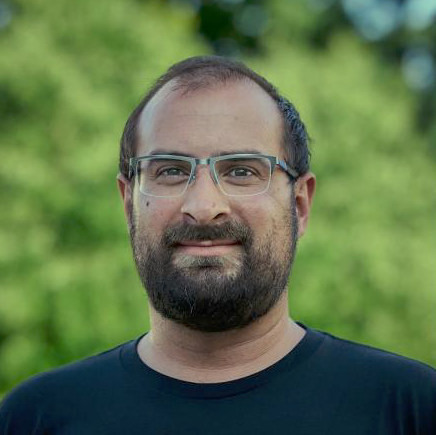
Joey D'Anna
Joey is an in demand colorist and technologist. When he’s not in the color suite you’ll usually find him with a wrench in hand working on one of his classic cars or bikes