EP060: Listener Question – Breaking Into The Industry
Advice For Breaking Into The Industry
It’s our 60th episode! Thanks to our amazing audience for keeping the show going over the past 3 years. Huge thanks to our sponsors @flanderscientific, @conform.tools. Thanks to our editor Stella that cut so many of these episodes. We have 100 episodes in our sights.
Thank you – Robbie & Joey
In this installment of The Offset Podcast we’re addressing a message we got on Instagram from 16-Year old budding colorist Mehdi who asks:
‘(I) would love to know if you guys could talk more about getting into the color industry, breaking through, any advice for young colorists trying to make it’
First, congrats Mehdi for being so motivated at such a young age – and thanks listening to the show.
We’ve covered this topic in various ways over the years, but in this episode we thought we’d take a look at some of the personal characteristics and attitudes that working in post requires. Specific topics covered include:
- Overview of desirable personal characteristics
- Being a sponge, self-motivated, and a team player
- Ownership & not making excuses
- Knowledge & demonstration of learning
- Attitude & professionalism
- And more!
Check out offsetpodcast.com for our entire library of episodes. You can also follow us on Instagram & Facebook – just search for The Offset Podcast.
Be sure to like and subscribe to the podcast wherever you found it and be sure to check out our growing library of episodes. If you like the podcast it’d mean the world to us if you’d consider supporting the show by buying us a cup of virtual coffee –https://buymeacoffee.com/theoffsetpodcast
Video
Transcript
00:00:00:02 - 00:00:15:18
Robbie
Hey everybody, and welcome back to another installment of The Offset Podcast. And today we're revisiting the idea of breaking into the post-production industry. Stay tuned
00:00:15:20 - 00:00:44:12
Robbie
Support for this episode comes from Flanders Scientific and Gaia Color Direct Connect Volumetric Auto Cal. Calibration of reference displays is critical in our industry, and there's no easier way to calibrate than by using Gaia Color, which is standard on DM, XMP, and XMP C series monitors. Gaia Color calibration allows supported probes to be plugged in directly to the monitor for fast, accurate, and automated calibration.
00:00:44:12 - 00:01:02:03
Robbie
With no computer or operator expertise required. You can learn more about this powerful system at FlandersScientific.com Hey everybody! Welcome back to another episode of The Offset Podcast. I'm Robbie Carman, and with me, as always is Joey D’Anna. Hey, Joey. How are you, man?
00:01:02:08 - 00:01:03:17
Joey
Hey, everyone.
00:01:03:19 - 00:01:30:14
Robbie
You know, Joey, one of these days we're going to figure out how we can get you to do the cold open, rather than me to do the cold open. It's one of those things that every time I think about doing it, I'm like, why doesn't Joey do this? But anyway, I digress. Welcome back everybody. We are set to talk a little bit about a topic I think we've we've talked about in various ways over the past 60 episodes or whatever, and that sort of breaking into the industry.
00:01:30:14 - 00:01:55:20
Robbie
Just to frame this up, Joey, a little bit, we got a a question on Instagram, actually, or a message on Instagram from a 16 year old aspiring colorist. First of all, being 16 and like, paying attention to this stuff seems ridiculous to me, but good on him. I'm going to totally ruin or mispronounce his name. I think it is Mehdi Talab or Mehdi Taleb maybe.
00:01:55:22 - 00:02:23:02
Robbie
Anyway, Medhi wrote and said he's a 16 year old aspiring colorist. He's working as a color assist at a shop in Paris. Working in Paris sounds lovely. And he just wanted to know, like, hey, if we had any advice for him, you know, he loves the show, but if you had any advice for him about breaking into the industry and things he could do and, you know, as I thought about that, I was like, wow, you know, we have somebody who like our advice could really, you know, and, you know, inform them.
00:02:23:02 - 00:02:42:16
Robbie
But at the same time, I was like, I feel like we say the same things about this all the time, right? Like, you know, like our network, you know, go to art museums or whatever, and, like, it just feels like tired advice to me, you know? So I thought maybe we could take a slightly different spin on this.
00:02:42:16 - 00:03:05:20
Robbie
And as you know, the resident middle aged guys in the room, we could maybe give some advice through the idea of sort of like character traits and things about people that companies, directors or whatever look for, because I think it's more than just, you know, hey, you got to be good with the resolve, right?
00:03:06:01 - 00:03:37:11
Joey
Yeah, yeah. And I think, you know, to be perfectly honest, I, you know, I, I definitely understand the question of the feeling because as we've talked about before, I started in the industry very young, around 16 as well. But it was a very different industry then. And, you know, we can't really give good advice on, oh, this is how you get into a post house and network and tell people you know how to use the latest equipment and how to learn how to, you know, run a linear room.
00:03:37:11 - 00:04:05:12
Joey
Because we grew up in a industry that was drastically different than it is today. But what we really can talk about is, like you said, what are the aspects of the individual and behavior work ethic, learning, educating yourself, all the different kind of things that you can do to make yourself better, to be prepared to get into the industry and move up in the industry quickly.
00:04:05:14 - 00:04:07:14
Joey
Yeah, because I think that stuff has changed.
00:04:07:15 - 00:04:28:10
Robbie
No, I don't think that stuff's changed at all. And I think, you know, you're right. I mean, like, if the idea of breaking into a post facility or a studio is not just challenging because those are, you know, sort of exclusive companies or they, they hire only people with years, decades of experience. That's partly true, but it's just that there's not as many of them around anymore.
00:04:28:11 - 00:04:47:23
Robbie
Right? I mean, like, if you're going to want to like, if you're going to want to break into the world of color at a big facility, you know, you're talking about the company threes, the harbors, maybe the nice shoes like it's not, you know, 20 years ago there was hundreds of these companies. Now there maybe a couple dozen of them altogether.
00:04:48:05 - 00:04:50:18
Joey
Into the industry doesn't have to be a big facility anymore.
00:04:50:19 - 00:05:12:17
Robbie
Right. Total 100%. The idea that you had when we were starting out, it's like, well, the only way I'm going to get in front of that Sony 9100 or that Henry or that that SR deck or whatever is by going to the big, you know, facility. Now, I mean, you're rocking a, you know, an M5 MacBook Pro and a, you know, a reference monitor, and you're, you're you're rocking and rolling, you know.
00:05:12:18 - 00:05:33:03
Robbie
So I agree with that. I agree with that. Now before we get started, just as always same same usual housekeeping, you can always head over to OffsetPodcast.com and check out our full library of episodes. All of our episodes are also available - video portion over on YouTube, and you can check out audio only on platforms like Spotify, Apple Music, and any other major, major streaming platform.
00:05:33:04 - 00:05:53:04
Robbie
You can follow us on Instagram and Facebook. You could be, you know, submit a question on one of those platforms if you'd like to. We're always listening to always willing to take some ideas for topics. So if you have those, please, please contribute. And I'll mention this again at the end of the show. But support for the show is from our gracious sponsors, Flanders Scientific and Conform.Tools
00:05:53:04 - 00:06:18:05
Robbie
But you can sort of be a sponsor as well by heading over to this link on screen here to go over to buy us a cup of coffee. Every dollar pledged over there supports the show directly, so we really appreciate that as well. All right. So let's dive into this. And I think the first thing that I kind of want to hit on and I, I have to say that I want to put sort of two lenses on this subject about I'm going to just generally call it like personal characteristics.
00:06:18:07 - 00:06:43:04
Robbie
One lens is that of somebody who has hired people in the past looking for young people to come in and help out, etc. the other lens that I want to put it through is just like like a colleague, you know, fellow employee kind of lens, because I think both of those kind of things matter. And I wanted to start off with the idea of good communication in all forms.
00:06:43:04 - 00:07:10:19
Robbie
If you've listened to this show in any form, there's a good chance at least one once an episode. We mentioned the idea of good communication in some flavor. Right. I think that good communication in all forms is a is literally a key component of any job in post, but maybe in particular sort of the post-production psychologist role that colorists tend to play.
00:07:10:22 - 00:07:32:21
Robbie
And it seems to me it's a couple of different things about that. It's not just you talking, you know, being able to talk well, speak well, etc. it's also listening, asking good questions, not talking over people, being polite, like how do you feel about like how would you some kind of that need to be a good communicator? Personal characteristic.
00:07:33:01 - 00:07:35:03
Robbie
It is.
00:07:35:05 - 00:07:55:20
Joey
Probably the most essential. So I'm glad we're starting out with it. And it's the thing that a lot of people struggle with the most, whether they realize it or not. I've made no secret of the fact that my communication skills from a brash, young 16, 17, 18 year old in the industry have changed drastically for, in my opinion, the better.
00:07:55:21 - 00:08:19:18
Joey
Over the past year, 30 years I've been doing this. So if you're starting out and you kind of find yourself getting into some communication problems, having interpersonal issues, you got to look inside a little bit and figure out early on what you're doing wrong and how to improve it, and that's something that you know you're never going to get right every time.
00:08:19:20 - 00:08:44:21
Joey
But if I had taken a more active, you know, self look role in my own communication when I was his age, I feel like it would have gotten rid of a lot of struggles that I went through and opened up more opportunities, because people don't want to work with somebody that's a pain in the butt, and sometimes your ego gets in the way and turns you into a pain in the butt, and you might not think that you're being a pain in the butt.
00:08:44:21 - 00:09:02:13
Joey
You might think, hey, I'm saving the day. I'm being cool. I'm being, you know, I got my work ethic. We'll talk about that a little bit later. You know, I'm I'm, you know, to the grindstone. I'm doing everything I'm asked. But if your attitude isn't there, that other stuff doesn't get noticed. Your attitude gets noticed first.
00:09:02:15 - 00:09:34:23
Robbie
See, there's a lot to unpack there. There's two parts that I really take from what you just said. So number one is actually three things. Number one is the old Joey, old Rob, the current, the current Rob current. And I feel you, man. I think that one of the things about communication is that ostensibly it's about how effective are you at communicating a problem and issue and receiving feedback back, but it's also communication also tags you as kind of like sort of what kind of person you are, if that makes sense.
00:09:35:00 - 00:09:35:06
Robbie
Right.
00:09:35:10 - 00:09:37:21
Joey
Where does the organization put you? Is it.
00:09:38:02 - 00:09:38:22
Robbie
Yeah yeah.
00:09:39:00 - 00:09:40:18
Joey
Yeah yeah. From the clients.
00:09:40:20 - 00:10:10:09
Robbie
Yeah. So if you're somebody like looking back on, you know, 18, 20, 22 year old Rob, I feel very similar to you in that I was over overzealous overbearing kind of loud. I still to this day still step on people. I interrupt like my brain's working overtime or whatever. And I think because of that, especially in the middle part of my career, I think I definitely is like, oh, it's that guy.
00:10:10:09 - 00:10:29:09
Robbie
He's the know it all. He has to walk into every room and be like, oh, you guys are doing it all wrong. Let me tell you how, you know, whatever. And like I thought at the time that that was good communication, right? I was, I was I was telling people, I don't want you to make a mistake, so do it this way.
00:10:29:09 - 00:10:49:06
Robbie
But like in my old age now, I realize that that kind of communication, talking a lot, oversharing, inserting yourself in places kind of has the potential to brand you, as it's the guy who just will never shut up and was always talking about how writing is.
00:10:49:09 - 00:11:19:10
Joey
Can I tell you a story? This is real life. This really happened 25 some years ago. Offline. Avid sweet. You know, like AVR three. Somebody in a session I had like, you know, really gotten up the knowledge I felt I felt ready you know, and somebody one of the other one of the editors in the facility, much more experience than me, was having some technical troubles with this.
00:11:19:12 - 00:11:43:19
Joey
You know, if you remember, the offline avid in the ABV era of like Mac 9680 500, so they were not reliable. They were not very predictable. They were they were temperamental little machines. And I went in to help, and I knew the exact answer to what this editor was doing wrong and why it was not working for them.
00:11:43:19 - 00:11:52:15
Joey
Client was sitting in the room. I thought I was saving the day. I was like, nah, you just got to do this and this and this. See? I'm awesome. Look at how impressive I am.
00:11:52:15 - 00:11:55:23
Robbie
Here's the editor. Here's the bus. I can see this happening.
00:11:56:01 - 00:12:22:22
Joey
Yep. Meanwhile, I am completely throwing my colleague under the bus because they were focused on what was more important the client, the creative, the actual job. I had it in my head that I'm going to show everybody how smart I am. Another editor who was even more senior than both of us. This went down, pulls me aside and gives me a pretty good dressing down for my behavior.
00:12:22:22 - 00:12:42:19
Joey
And not only it wasn't like, hey, you screwed up, you know you're in trouble. It was like, this is why. And he actually very, you know, to his credit, made me understand where I had really screwed up. And I went from thinking in my head that I was cool and I was smart, and I was saving the day to.
00:12:42:20 - 00:13:13:03
Joey
Oh, man, I really understand how I screwed up. Go in, talk to that editor. Clients going apologize. Look, I'm sorry. I was, you know, trying to explain myself, but essentially just kind of fell on my sword and apologized. And I still know everybody involved in that interaction to this day, and I have great working relationships with them. But if somebody hadn't been there to stop me from myself, that would have been that could have been a career ending or career damaging.
00:13:13:04 - 00:13:14:07
Robbie
Yeah. And you and you.
00:13:14:11 - 00:13:21:00
Joey
I went into it with the attitude of I'm trying to help. I'm also trying to be hungry and show how good I am.
00:13:21:02 - 00:13:21:16
Robbie
Yes.
00:13:21:16 - 00:13:25:01
Joey
And my communication skills were not ready to express that.
00:13:25:03 - 00:13:47:20
Robbie
Yeah. And I think the thing is I think there's the part two and three. What I was going to react to was that I think that there's a tendency for young folks in general breaking into any industry. It could be banking, it could be, you know, football, it could be whatever is that. You know, the young guy, the young gun always feels like they know a little bit better, has a newer, better, fresher perspective.
00:13:47:20 - 00:14:25:01
Robbie
And the reality of it is, is that when if you are, you know, going back to, you know, 16 or 17 year old Joey talking to, I'm guessing, you know, a 35, 40, 40 year old editor, there's a lot of assumptions that that young person is making about the experience that that other person has. And it might be true at the time that you had more technical knowledge about that experience or that situation, but they sure as hell had a lot more experience of the subtleties of dealing with a room clients perspective, you know, to the general like, you know, look of the client into judging the facility and the people way more than
00:14:25:01 - 00:14:46:15
Robbie
you could. And it just it makes me think about something that, you know, because we talked about this all all the time offline that I really am trying to be better at, and that is just keeping my mouth shut and trying to listen, even when the tendency of every fiber of my body is to interrupt and say something and just think.
00:14:46:15 - 00:15:13:20
Joey
Before you talk, how is this going to be interpreted? Because when you're young and, you know, like you said, sometimes the youngs, the youths think they know everything. I don't want to be the old guy who's saying they don't. Oftentimes, most times there's things that they know and can offer very valuable stuff to the interaction. Right? I'm not saying that if you're young in the industry, you don't know what you're doing.
00:15:13:20 - 00:15:39:17
Joey
You don't have anything to offer. I'm saying you have a lot more to learn from everyone else than they do from you. But what you have to offer still has value. So how do you frame it in a way where you introduce value without introducing friction? And when you're young and you're trying to move up, you often, at least in my case, I often was trying to make people notice me, which obviously is a good thing.
00:15:39:17 - 00:16:03:05
Joey
You want people to notice you so you can move up in the industry, get better opportunities. But the way you do that needs to be so carefully measured. And I think it's very easy to go wrong trying to make a name for yourself in a facility, in a business, in a any kind of interaction, you know, you got to you got to either be quiet like you said or really think before you speak.
00:16:03:05 - 00:16:42:00
Joey
So what you say has positive impact for the organization and no other side effects you want there enough that you're you're moving the ball forward, you're helping, but you're not pushing too far. Support for this episode comes from Conform.Tools Conform.Tools allows you to convert timelines between Premiere, Resolve and other NLEs, will automatically solving common issues that normally need to be fixed by hand. Avoid time consuming trim and transfer issues, and securely send large media files to collaborators at a fraction of the size, and in minutes instead of hours.
00:16:42:00 - 00:16:59:07
Joey
With a growing toolbox of features, let Conform.Tools handle the tedious stuff so you can focus on the creative. Built by post professionals, Conform.Tools helps editors, colorists, and conform artists move faster and finish stronger. Learn more at Conform.Tools
00:16:59:09 - 00:17:25:07
Robbie
If I could just some some that up the communication and the the characteristics of communication. I would much rather have hire somebody and interact with somebody that at least in that provisional period of the first six months to a year, etc., is a total sponge, right? You know, is just like absorbing everything else. And I think that's my my next point about this is that sort of absorbing things.
00:17:25:07 - 00:17:53:13
Robbie
But also, you know, you can tell when somebody is just reacting right then in the moment versus having a considered opinion and a thought about something. I would rather, let's say I'm teaching somebody I don't know. Hey, here's how you do packaging for, you know, a Dolby Vision IMF or whatever, right? I'd rather give my spiel, explain it, etc., have them consider it, maybe try it out and the next day come back and go, hey, cool, I just wanted to.
00:17:53:14 - 00:18:09:19
Robbie
I had a whole bunch of questions coming out of our session last night, right? Because one of the other things to is that I think that people tend to, for the reasons that you just said, getting notice shown, like looking like they have some competency, etc., are very quick to react like, yeah, yeah, yeah, I get it, I get it, sure I get it.
00:18:09:20 - 00:18:36:05
Robbie
Yep. Makes total sense when in reality they haven't had enough time or practice to process it, try it out, etc. so rather than saying like yep, I totally get it, be like cool, let me walk away, practice, try some things out and come back in a day or two. Here are my like that just shows to me. I'm putting on my employer hat for now that like, oh, you really took the time to let everything we spoke about sink in, process it.
00:18:36:08 - 00:18:47:12
Robbie
Maybe there's some things you could figure out on your own. Maybe there's some things I need to help with, right. But like that person that's like right off the bat, like, yeah, man. Easy. Like, no it's not. It's probably.
00:18:47:14 - 00:19:06:11
Joey
At that more junior level. Nothing needs to be as fast as you think it should be. Right? That company was going to figure out how to do this workflow with or without you. You know, you need to focus on being helpful, but you don't need to rush through everything to get to the finish line.
00:19:06:12 - 00:19:28:09
Robbie
Yeah. And there's there's there's. I mean, I can't say that it never happens, but employers hiring young entry level job seekers generally aren't doing that with the expectation of, oh, I'm going to hire you as a 22 year old and expect you to have the knowledge and the and be able to shoulder the load of somebody who's been in the industry for 20 years now.
00:19:28:09 - 00:19:50:07
Robbie
If they were hiring you walking into a shop, yes, there would be certain expectations that you've been through. You know, you've you've done all this before, right? But like that young kid. No, I don't think so. So the next thing I want to add to this personal characteristics list, and this is a big intangible and I don't really know how to quantify it, but you know it when you see it.
00:19:50:07 - 00:20:34:11
Robbie
And that is self-motivation, right? I really react bad to the attitude of just I'm just sitting here, what have you got for me now? Like if you have the opportunity to be around nice equipment, fancy monitors, really talented colorist, editors, mixers, etc., that whole sponge idea is like, yeah, you need to be sitting in the back of that room watching, come up with that list of questions that you can hit them, you know, the next day when they have a free moment, etc., that whole idea of self-motivation, it's hard to put a finger on, but I think it is something that I really look for and that is no, you know, you're going to
00:20:34:11 - 00:20:49:12
Robbie
do things outside of the five things that I asked you to do because one, they're going to make you better at what you do. You can fill gaps that you've identified that we might have. Like, you know what I'm saying? Like just doing a little more than just sitting around goes a long way for me.
00:20:49:16 - 00:21:09:01
Joey
Absolutely. And can I? So I told my my 30 year old story or 25 year old story of me screwing up. Can I tell you a story of me succeeding at that age in this context? You know, at the time, computers and post-production were relatively new in terms of being used for the actual.
00:21:09:03 - 00:21:09:17
Robbie
Yeah.
00:21:09:21 - 00:21:34:21
Joey
Technology aspect. So I came in, you know, more on a technical side as a computer nerd than on a creative side initially. So one of the things that I did and I kind of took this was something that I took upon myself when I was kind of young in the career in the post House. If I didn't have something to do with just at the end of the day before I left.
00:21:34:21 - 00:22:03:13
Joey
And this doesn't apply to every workflow, every facility. But what I did is I walked around every room and if they weren't like, you know, you kind of judge if you could walk in and talk or not write, you make that judgment. You walk in. Is there anything I can help you guys with? That's it. I walked to every room and asked if I could help, whether it's a client couldn't figure out how to use the printer, whether it was somebody wanted coffee, whether it was, hey, this avid has been acting a little slow all morning.
00:22:03:14 - 00:22:22:09
Joey
Do you have any any advice? Can you check something? It was literally just. And I usually did it like in the middle of the day. I did it every day before I left. But in the middle of the day, if I had nothing going on, I would do it again. I would just make rounds of everybody that I could and just not pushy.
00:22:22:10 - 00:22:41:07
Joey
Literally just you guys need a hand with anything? Anything I can help. No. We're good. Cool. Then I'm out. I'm not going to sit there and chat. I'm not going to waste your time. But I made sure I made myself available to basically everybody in the facility whenever I was not busy. And that opened up a ton of opportunities for me.
00:22:41:12 - 00:23:05:16
Robbie
Yeah. And that's that's self-motivation, but also goes into the idea of being a team player, which is another thing I'd say, like, you know, so, you know, I think in the day and age of really large, you know, 100, 200 person facilities, yeah, you kind of had to stay in your lane. But I think for the most part these days, like being a team player means kind of the opposite, kind of taking on, you know, like whatever needs to be taken on.
00:23:05:16 - 00:23:22:20
Robbie
We're a team. We're a small group trying to make things happen. So that might be doing the crappy things that you know, you don't want. It might be I mean, like one day you might be learning color, the next day you might be learning, you know, QuickBooks a little bit or, you know, whatever a customer CMS or something like that, you know, and I think.
00:23:22:21 - 00:23:33:14
Joey
It's a magic question, you know, what can I do to help is a magic question because it opens you up to opportunity, it opens you up to learning, and it makes you useful immediately.
00:23:33:15 - 00:23:57:09
Robbie
Another thing that I think is a personal characteristics. And again, this is going to sound a little old man get off my lawn. But it's the idea of like ownership and no excuses about things, right? Like I really react negatively to the idea, like, okay, here's something to do. Okay. Then how are you? You're making progress on that.
00:23:57:10 - 00:24:18:00
Robbie
Well, there was this problem. There was that problem. I didn't know this. I didn't know that. And like, of course, some of that, there's going to be natural blocks of things, right? When I'm talking about the general idea of just like, well, you know, I'm not getting paid enough for that, or, you know, I just didn't want to, like, get started and mess up.
00:24:18:00 - 00:24:40:03
Robbie
So I didn't start, like, you know, all sorts of problems like that. And I think that most employers and most colleagues would say, no, man, we want you to be that self-motivated go getter. Started like, I would much rather have somebody experiment with trying to take ownership of a process or a project or whatever, then just sit around and willing the thumbs.
00:24:40:03 - 00:25:13:00
Joey
And, you know, the idea of not just ownership, but no excuses. And that doesn't mean no mistakes. Of course, everybody makes mistakes. How you handle your mistakes is the one of the biggest differentiators, I think, on if you're going to be successful or not, you're going to make mistakes. I wrote an email to a client with like three other colleagues and editors for a project I was working on literally today, because a clip had a color jump in it where I had a bad keyframe first thing in the email.
00:25:13:05 - 00:25:40:20
Joey
Sorry, complete operator error on my part. Here's the fix. Here's the why. Own it, right? It's still happens. The idea when you make a mistake is one. Identify it as quickly as possible to identify potential solutions as quickly as possible. And then three let the people in charge the people who your mistake will impact, know and be involved in the decision making process.
00:25:40:20 - 00:26:04:01
Joey
After that. Hey, I just accidentally erased this source file that we had. I know we have it on another drive over here. How should I handle getting that back into the system? Right then you're letting them know you're taking responsibility. You're offering a solution. But because you've already just made a mistake, you might be out of your depth in fixing the mistake.
00:26:04:01 - 00:26:20:22
Joey
And sometimes fixing your mistakes can lead to more, worse mistakes. So you got to bring in the more senior people to say, hey, here's how I think I'm going to solve this. What do you think? Let's solve it. Because they might say, oh yeah, but if you do that, it's going to unlink the whole timeline and then everybody else is going to be messed up.
00:26:20:22 - 00:26:33:06
Joey
So if you hadn't taken ownership and just tried to fix it with no one noticing, you could have made it worse. But if you had just ignored it, you would have also made it worse. So yeah, there's some diagnose and tell.
00:26:33:08 - 00:26:59:09
Robbie
There's some crossover that goes here. Since you're telling stories, I'll tell. I'll tell one. That's kind of funny. I was working at a facility when I was recently out of college, and there was this. This engineer was actually a really lovely guy, this guy, Mike Provenzano, and but an engineer engineer. And I was about to lay something back to tape, and I was I was freelancing at this facility.
00:26:59:10 - 00:27:08:18
Robbie
Right. So I didn't have a full grasp of all of like the machine room particulars and the router and all that kind of stuff. And so, I.
00:27:08:20 - 00:27:10:13
Joey
Mean, don't preview, right?
00:27:10:14 - 00:27:37:23
Robbie
I, I put a tape in a deck thinking that the deck was the one that was wired up to my room. So when I hit, you know, insert that I was inserting my show onto that tape and deck, not realizing that the router was connected to my room, but routed to another deck that was currently being used for another process.
00:27:38:01 - 00:27:59:14
Robbie
Also had tapes in. It also had Rs 422 control. So you can guess what happened. I go to hit record and then down the hall here. What the hell, what the crap. And then some anger, footsteps or whatever. After he figures it out that I had been insert editing on his tape on his deck. Because you know what I didn't do?
00:27:59:14 - 00:28:19:02
Robbie
I didn't walk my fat bud into the machine room to check it out, to verify, etc. now, what you just said is totally true. I tried to make it less bad, right? So I went into the machine room and I was like, oh fuck. I realized what was going on. I started plugging anything and I made it nine times worse.
00:28:19:02 - 00:28:42:03
Robbie
I had like, they were doing something special on a deck, so it needed like analog audio, not SDI audio. When I was doing things with the patch Bay and eventually it was just get the hell out of here, man. And in those moments, they happened to everybody. I think that, you know, you don't like tucking your tail and, you know, walking away might be the right move in that particular moment of anger and angst.
00:28:42:03 - 00:28:59:03
Robbie
But what I think is important is what you said is coming back later and going, you know what? I totally did X, Y, and Z wrong. I made your life harder, I apologize. I'm going to learn from it. If there's any tips that you can give me to like, not have this happen again or things that need to change.
00:28:59:04 - 00:29:15:19
Robbie
Like, you know, he was mad at the moment, but I think I handled it better because after asking some questions or whatever, you know, learning experiences, that nobody can be perfect. And I think that that's a really big part of this is just it's a balance act between all these characteristics. Right? It's you know, and that's a it's a hard thing to learn.
00:29:15:19 - 00:29:40:17
Robbie
Now let's switch gears a little bit to the next big thing about this. And I think that's just knowledge. And I think that as you said at the top of the show, Young Guns maybe is like this as well. You know, I'm guessing at 16, working at a facility already, he's probably a pretty sharp, pretty sharp guy. And that is, you know, knowledge comes in a lot of players, a lot of flavors rather.
00:29:40:18 - 00:30:02:08
Robbie
And I think that you and I, for a lot of reasons, I think we tend to pride ourselves on our technical knowledge, but I think that actually technical knowledge is something that can be really it can be taught, right, like you can teach somebody. This is how you plug this thing into this thing. This is how you configure this thing.
00:30:02:10 - 00:30:22:22
Robbie
I think for from a, from a young person, what I think is more, slightly more attractive is that creative knowledge, right. That like you and I remember years ago, I was on a webinar with the great Tom Poole from company three, and he said something that stuck with me for, you know, I don't know, 15 years since he said it.
00:30:22:22 - 00:30:50:01
Robbie
And that is you can't teach taste. Right. And, you know, I think for a young colorist or an editor breaking into it, into the industry, that's that's really it right there. Right. Like, you have to learn and take the time to build up taste and quality and the creativeness. And you do that by consumption, consumption, consumption. You do that by discussion.
00:30:50:01 - 00:31:10:03
Robbie
You do that by comparison. Right? That's a hard thing to really, because I think a lot of people confuse I know resolve really well as being a good colorist. Those two, those two don't equate like, yes, you can be the best resolved person in the world, have the most resolved knowledge. You could still be a terrible colorist.
00:31:10:05 - 00:31:36:17
Joey
Now let me clarify this a little bit, because I think it's important because when you say, you know, you know, technical knowledge can be taught, you can't teach taste. That's true. It does sound to the youth a little defeatist. It's almost like you're either born with this artistic knowledge and skill or you're not. And trust me, some people are born with incredible creativity, and some people kind of struggle with it a little bit.
00:31:36:18 - 00:32:04:21
Joey
That's totally normal. However, just because you can't teach someone taste, they can develop taste, and that is a internal work that you have to do. Like you said, analyzing things that you watch, trying things, experimenting, getting into the art and failing and trying again. You build that taste over your entire career. And yes, nobody can be like, this is the right look.
00:32:04:21 - 00:32:28:06
Joey
That looks cool, but don't let that make you lose hope that, oh, I'm not really feeling creative today. I can't just get this to feel right this grade. You'll get there if you keep working at it. It's something you can work at and improve if you try. It's not a you have it or you don't. Which some people, some artists have that attitude of I'm wonderful, either you have this or you don't.
00:32:28:11 - 00:32:31:17
Joey
You're born with it because I'm the greatest and I don't think that's true.
00:32:31:21 - 00:33:04:16
Robbie
And you're you're totally correct that it's not one or the other. And I think one feeds the other. I mean, like, certainly, you know, we've all had that experience, you know, at least in my point in my career where like technical doors get opened, that open creative doors, right. Like I remember when like aces dot 7 or 8 or whatever, like right before the release came out and I was like, I felt so like there's one of probably only 3 or 4 times I can imagine that the technical part really, really made me feel empowered.
00:33:04:17 - 00:33:38:09
Robbie
Right? And that was one of them when I was just like, Holy crap, this makes sense. Tag a shot. Work in this space, output this space. And like the whole idea of like, color management just clicked and it made like, oh, now I'm bringing consistency market. So I think it's not one or the other one feeds it. But my point is, is that, I can teach somebody the finer points of a color management system or how to break down Dolby metadata or whatever.
00:33:38:11 - 00:34:08:19
Robbie
I can't necessarily I can't be Tom Poole necessarily, and see through his eyes. I can't be, you know, Dan Moran or Stephen Feld or whatever. Right? I'm not saying that you have to be those things, but I do think that what I find more interesting, as you look at the top tier people in our industry, that they care a little, a little less about all the technical machine stuff, computers, monitors, etc. then they do care about what they're, the product that they're making or whatever.
00:34:08:19 - 00:34:17:21
Robbie
And I think that it's easy to hide behind technical stuff in favor of being pushing your creative boundaries. I guess was what I would say about it. And I.
00:34:17:23 - 00:34:24:13
Joey
Think that creatives tool sorry, building that creative toolset in your head. It's a lifelong pursuit.
00:34:24:15 - 00:34:48:14
Robbie
Yeah. And flip it the other way too, I think because it does play this way. I think it's equally bad. I don't know if that's the right word. The person that is always the artiste and I didn't say artist. I said artiste and shoves technical things as that's just like the fact is, the day and age that we live in, you cannot divorce the two.
00:34:48:15 - 00:35:02:11
Robbie
You cannot be a good creative in post-production and just go whatever computers like, whatever can. Like you're not. You probably don't have an engineer working for you. You probably.
00:35:02:11 - 00:35:06:12
Joey
Build a masterful architect without some knowledge of material science.
00:35:06:18 - 00:35:41:03
Robbie
Yeah. Or, I don't know, some math. Right. Like, you know. Right. Like, you gotta you gotta have some of those skills. So I think that for, you know, some for a young person starting out, I think if I had to wait it, I would. I'm all I'm saying is that I would wait. Creative competency and knowledge a little higher than I would the technical knowledge, because the technical knowledge can really ebb and flow and grow the the I, the taste, etc. that is something that takes constant feeding and development and reframing to get better at it.
00:35:41:03 - 00:36:01:14
Robbie
And if you get stuck in the technical world, you know it makes it that much harder to learn the creative. My next big thing here, Joey, is, besides the knowledge part, is the demonstration of this, right? I see a lot of young folks come in being like, yeah, I can totally do that. I can totally do that. I can totally do that.
00:36:01:14 - 00:36:18:15
Robbie
And then they they fall down on it. I think that there's an idea, you know, those like your mom or whatever you used to say when you were a kid, like, you know, actions speak louder than words. And I think when I'm looking at somebody trying to break into the industry, that's clear. I don't need somebody to tell me I'm working hard.
00:36:18:18 - 00:36:41:03
Robbie
I want to see you working hard. I don't want somebody to tell me that. Oh, I'm. I'm looking into this, like, demonstrate it. Like, what have you learned about x, y, z? Like, what do you know about, you know, 1570 mil Imax now that everybody's talking about it, right. Like those kind of things, I think, you know, the actions speak louder than words.
00:36:41:03 - 00:37:07:08
Robbie
And I think that there's a couple tells for me. And, you know, this kind of goes back to some of the technical stuff, I think the way that somebody brings themselves to a project in terms of organization and workflow says a lot about how much they are technical and creative needs. Right? If you're just the kind of person that's sort of sort of like, oh, every project is a one off, I do this little different.
00:37:07:09 - 00:37:30:06
Robbie
Maybe like that disorganization part drives me crazy, because it demonstrates to me that you don't have the commitment to the craft, to even get organized enough to have repeatable outcomes, right? That drives me crazy. Number two is that if your attitude is bad, that's a big one. I think we should probably unbreak a little bit, unpack a little bit more.
00:37:30:07 - 00:37:50:00
Joey
Support for this episode comes from Flanders Scientific and the XMP 270 and XMP 310. The accessible, lightweight and versatile monitors helping to bring HDR monitoring on set while also being very well suited to post-production work. Learn more at FlandersScientific.com
00:37:50:02 - 00:38:11:04
Robbie
I had a situation 2010 maybe where I had hired. I was real busy, period. I had hired a freelancer and I remember the client came up to me. I was doing something else. Client came up to me and I was like, hey, can you talk for a minute? I'm like, yeah, what's up? And they're like, I, we're having a problem in there.
00:38:11:10 - 00:38:34:14
Robbie
We've been trying to go in this direction, and he just keeps telling us that we're wrong, you know? And I'm just like, what do you mean keeps telling you that wrong? Like, yeah, he just doesn't like our input. And I'm just like, oh my gosh. You know, the at the end of the day, I think if you're going to have a successful career in post-production, you know, or production or whatever, you have to realize and we say this a lot, not everything is art.
00:38:34:14 - 00:38:56:07
Robbie
And also realize that it's not your project. Yes. Right. It's like, would you like if you hire an electrician to come over to your house? I mean, you probably would do this, but like, you know, would you look at somebody and go, you know, I prefer to use this style of, you know, wire nut versus that style of wire nut, right.
00:38:56:08 - 00:39:25:17
Robbie
Like, I can sum it up very, very succinctly. Be a yes person in public, right? Be a contemplative thinker in private and working through problems. Right. And in general, that attitude of I am here to help you realize and finish your project goes a lot further than, no, that's a crap idea, man. I wouldn't do that. Right. Like, we've talked about this on other episodes, right?
00:39:25:18 - 00:39:41:11
Robbie
Yeah. Try things. Experiment. You never know what somebody else's ideas bring to the table. And if you have a crap attitude going into it, you're never going to realize those creative breakthroughs or even those technical breakthroughs, because this is just the way you do it or whatever, you know.
00:39:41:12 - 00:40:05:10
Joey
And put it back to what we were just talking about, learning that creative art of this side of the business, like we said, is a lifelong pursuit. If you become dogmatic and bad attitude, you never open yourself up to expanding your creative palette. So you're shooting yourself in the foot when you do that, both with your relationship with your clients and your coworkers and with your own artistic taste.
00:40:05:12 - 00:40:28:22
Robbie
Yeah. And that's like, you know, attitude can be confused for the next thing I think is on the list here is that the idea of professionalism. Right. Professionalism to me is slightly different than attitude in that it's you are doing the things that set you up for success, getting into the, you know, getting being prompt, getting into the office or, you know, your machine on time, right.
00:40:29:00 - 00:40:29:20
Robbie
You know.
00:40:29:22 - 00:41:02:21
Joey
Managing like, can I just stop for a second here? Like, if there's one thing that you can do that be on time, like it's the easiest sometimes obviously sometimes things happen, right? And in those cases you explain, like I said earlier, about owning your mistakes. Right. But be on time and take that seriously. It it matters so much to every.
00:41:02:23 - 00:41:28:17
Joey
You might not feel like it matters to you. It matters so much to everybody else involved in the entire process of this endeavor of post-production that we're doing. And if you are not on time for something, or if you miss a deadline or whatever, it can put so many people. Either best case inconvenienced, worst case deeply financially impacted.
00:41:28:17 - 00:41:35:07
Joey
If it if it hurts the project, just be on time. Take it take it seriously.
00:41:35:09 - 00:41:54:08
Robbie
Yeah. And I think that that that's a key component of professionalism. I think another key component of professionalism is the idea that you just hinted at of you tell somebody you're going to do something, follow through. Right. That commitment, that ownership thing that we had said about, you know, just being like, oh, yeah, I started it, but I kind of I just whatever, it wasn't cool anymore.
00:41:54:08 - 00:42:15:15
Robbie
So I just love like no, like, I mean that that is a tell that plays through in so many different parts of posts. I think the other one is that being the same professional in a lot of different situations is a key to sort of like integrity, right? Like, you know, it's like one thing to be like, cool.
00:42:15:16 - 00:42:32:05
Robbie
I'm working with, I don't know, Christopher Nolan today. Like, who are like, I'm going to throw out, I'm going to be the perfect, you know, whatever. And then you next day you're working with, you know, Bob Smith making a crappy documentary and you're like, yeah, your footage is crap. This like one time I was working with Chris on, you know, whatever.
00:42:32:06 - 00:42:48:06
Robbie
Like, no, being consistent. Being professional also means being having a consistent application, a consistent attitude, a consistent work ethic, no matter if it's the biggest direct film director in the world or it's somebody just getting their start on, you know, a student film.
00:42:48:08 - 00:42:50:19
Joey
You wouldn't want a dentist that phones it in.
00:42:51:01 - 00:43:15:20
Robbie
Right. Exactly, exactly. You know, and I think I think the other the part of that professionalism too, and I see this happen with young colors all the time because they get put into situations that are kind of the crap work. Right. It's like cool, like you're going to sit in with Christopher Nolan, but then I'm going to leave and you're going to spend the next seven hours tracking, you know, tracking windows or whatever, right?
00:43:15:21 - 00:43:16:10
Robbie
Like, cool.
00:43:16:10 - 00:43:17:23
Joey
Let's try it for Nolan doesn't use windows.
00:43:17:23 - 00:43:43:14
Robbie
I know everything's practical. He just. He uses mirrors from space to to to light people. My point is, is that if you're a pro only in the situations that are cool and fun and not the situations that are crappy and difficult, people can tell that really easy, right? Easily. Like, you know, if you're always going to be the one who's begging out, like, you know, it's not fun anymore.
00:43:43:15 - 00:44:03:16
Robbie
Can I just go home? Like, no, like that's just we've all been there. And I think the disconnect for a young person getting them to post in production is that it's a and this is the last thing I want to kind of discuss is this idea that there is not a path to follow to get to the higher level.
00:44:03:16 - 00:44:31:03
Robbie
What I mean by that is that I always think about, you know, the, the top, you know, the Dave Hussey's of the world, the Nakamura's, the Sonnenfeld. Right. It's really easy for us where we sit to go, gosh, those guys have it all right. They got a team of people, they got color scientists. They got you know, they their idea of a bad shot is, you know, you know, a glorious, perfect shot in our world.
00:44:31:03 - 00:44:49:08
Robbie
Right? And it's very easy to be like, if they could only have to work to do the things that I have to do every day. There might be some truth to that, but it's also very easy, I think, as a as breaking into the industry to think that those people never had that same hard road and past experience.
00:44:49:08 - 00:44:52:12
Robbie
I have news for you. The reason that a Dave Huston.
00:44:52:13 - 00:44:53:17
Joey
They had it worse.
00:44:53:18 - 00:45:02:02
Robbie
Or an inverted back or any of these guys are at the top of their game. They've already navigated that path to the top. Nobody.
00:45:02:03 - 00:45:13:03
Joey
Just your worst nightmare on a computer or a tape deck that had a 10th of the functionality and a 100th of the speed. Exactly. And they made it look incredible, right?
00:45:13:03 - 00:45:37:03
Robbie
So like the attitude that like, you're just a boomer, you don't know what it's like is, is just it's so incredulous to me because I'm just sort of like, yeah, it was different. But those people didn't. Nobody handed Dave Hussey a gold medal and just said, Dave, you're cool. You're going to grade the most iconic music videos all time just because you're like, no, he was in the chair for long hours.
00:45:37:03 - 00:45:54:11
Robbie
He was working his ass off. He was doing a positive. All these intangibles that we've spoken here. And I think that if you're coming into a new facility looking at somebody who's higher up than you or maybe has a little bit of a brand recognition that some of the people I mentioned do, it's easy to look at to them as like, oh, they have it so easy.
00:45:54:12 - 00:46:13:03
Robbie
They just get to do the best projects. They get to do the best projects because they paid their dues and they did all of the things that we're talking about. Right. That's it's not by magic. They didn't win the lottery. They did all of these things in some shape or fashion to get to that point.
00:46:13:03 - 00:46:20:20
Joey
And if you find yourself in that, that situation, you just won the lottery because you've got someone you can learn from.
00:46:20:22 - 00:46:32:13
Robbie
Oh, I mean, if you can tolerate, like the rigors of being in a big facility like that and the pressures of it. Absolutely. And I think but that scales to, to a certain degree, right. Like.
00:46:32:14 - 00:46:45:09
Joey
Yeah, it doesn't have to be the greatest facility in the world. You're in there. You're learning from the top, top, top guys, wherever you are, whatever workflow you're in, there's probably someone there with more experience than you that you can learn from, right?
00:46:45:10 - 00:47:06:00
Robbie
Like, I would never make the assumption I would never hire somebody and be like, I'm going to teach you how to be Dave Hussey. I can't teach that right. But I can teach what I can teach in my experience and my things. And oftentimes, surprisingly, especially if you're if, you know, going back to Madea's question about like, hey, want to break more into the world of color?
00:47:06:05 - 00:47:44:01
Robbie
I have news. And this is not something that we have. We've said this a million times before that the color on screen that you create is like actually a really small part of the overall pie of being a successful colorist. I know that sounds like counterintuitive, and maybe it doesn't sound right to a lot of you, but it really is the human factor, the communication factor, the work ethic factor, the attitude, all of the intangibles that we've spoken about go so much further than you're the best color.
00:47:44:01 - 00:48:09:04
Robbie
So because the reality of it is, is that when you get to the A, you know, the A plus plus level that a lot of these people are that I just mentioned, their job isn't actually technically that hard, right? From a like from a ones and zeros pushing the images around. But holy crap is it hard about managing the personalities, the attitudes, the I mean like think about a.
00:48:09:04 - 00:48:10:19
Joey
Big the stakes are higher.
00:48:10:21 - 00:48:32:17
Robbie
A big time commercial campaign, right? Somebody comes to a company, three of the world, they're paying, you know, tens of millions of dollars for a famous actor. It's campaign, whatever. Like that pressure that is focused now on this person sitting behind a control panel trying to make Joe Actor look perfect because there's tens of millions of dollars that is pressure.
00:48:32:17 - 00:48:46:05
Robbie
And managing that, that no amount of learning resolve or learning color science or whatever can possibly handle. Right. It's more about that person and what all the intangibles that we've mentioned.
00:48:46:07 - 00:49:10:05
Joey
Yeah. And like if I were to sum it all up, you know, I want to put a more hopeful attitude on this than I feel like if you add up everything I've said thus far might imply all of the pitfalls that I've mentioned. All of this comes from 30 years of hard earned experience and mistakes.
00:49:10:07 - 00:49:35:07
Joey
Like I've talked about. I had bad attitudes and bad communication skills. When I was younger, I had a boss that used to use the phrase very often with me. You stepped on a rake. I stepped on many, many, many rakes in my career, and I still think I turned out pretty well. And I still think I'm improving and I try to improve every day.
00:49:35:09 - 00:50:05:01
Joey
If I can do it, if I can get through with with my horrible attitude when I was younger and my my screw ups and all the mistakes I've made, I think anyone can. And I think if you're able to look into yourself a little bit and take lessons, you know, learn from your mistakes because you will make a lot of them, obviously, hopefully some of the advice we've given you in this episode can help you avoid some common mistakes, right?
00:50:05:02 - 00:50:18:14
Joey
You're going to find other ones to make, you know everybody will make them and how you react, how you learn, how you prevent that from happening again. How you improve from those is 100% what will drive your career.
00:50:18:16 - 00:50:30:01
Robbie
Yeah. And I just think a lot about I mean, it's cliche, but I think a lot about integrity, I think a lot about positiveness. And I one thing you just said, I think.
00:50:30:02 - 00:50:47:06
Joey
Is honestly sorry not to interrupt, but I just won one last button on that. I'm really proud of how far I've come. If I look at myself 30 years ago compared to today, I, I feel I've gotten a lot better at this. Yeah, I think I'm still getting better.
00:50:47:07 - 00:51:05:22
Robbie
I'll give you a pat on the back for that one, and I will. But that's what I was going to actually say, is that I think it's it's easy potentially, for our audience to listen to this, this episode and go, oh, these, these, you know, mid to late 40s guys telling us like, they know it all and they've all the hard won secrets.
00:51:06:00 - 00:51:36:01
Robbie
The reality is that I work on it. You work on all of these things all of the time. I mean, just for full transparency, I've been working on this, this kind of stuff more in the past two, three, four years than I have it any other point in my career. Because I've realized some I've had some, you know, some, you know, I got diagnosed with ADHD, RSV, like I had also I've had some depression issues and anxiety issues, whatever.
00:51:36:02 - 00:51:57:07
Robbie
It's like all of those things, man. Like it's self-improvement. Just because you get to be a senior colorist at Harbor or Company three, whatever, doesn't mean that you still can't improve. And I think that that, you know, any career that you enter in, I think that's a good attitude to have that like it's it's a career path. It's a journey.
00:51:57:07 - 00:52:21:08
Robbie
It's never a start to end. Right. You know what I'm saying? That at 55, you can still be learning and doing new things and getting better at the stuff, just like you were at 25, right? It's never it's never a static thing. And if anybody takes us as like, we know best, no, we're just sharing our experiences. And I think that, you know, it would be great to learn a little bit more from others.
00:52:21:09 - 00:52:40:22
Robbie
You know, how they handle this stuff. So on that end, if you do have some feedback for us, you can always leave comments about this stuff on YouTube. That's where the video version of this show is on. You can also head over to OffsetPodcast.com, check out our entire library of episodes, find some additional show notes, etc. you can follow us on social media, on Facebook, and on Instagram.
00:52:40:22 - 00:52:57:18
Robbie
You can always leave us a note there. And one more thing about OffsetPodcast.com. If you go to the website at the very top of the page, there is a button to submit a question or an idea. If you do have some topics that you'd like us to cover, like this great one that we got from Mehdi. And thanks again for the for the input.
00:52:57:20 - 00:53:17:12
Robbie
You can drop us a line over there or anywhere you can find us, and we'll definitely consider it for another show. And then lastly, if you wouldn't mind supporting the show here on screen by heading over to the bias, a couple virtual coffee link here, that would be greatly appreciated. And as always, huge thanks to our sponsors Conform.Tools and Flanders Scientific couldn't do the show without you guys.
00:53:17:12 - 00:53:36:01
Robbie
So Joey good good good chat as always. I love I love talking about these kind of big picture conceptual issues. So hopefully we've helped out Maddie a little bit. And again, just when I think back on it, 16 working out of post house. Like that's a go getter right there. And I wish you nothing but the best of luck in your career, Mehdi.
00:53:36:01 - 00:53:46:08
Robbie
And hopefully some of the little bits of advice and things to look out for that we mentioned here help you and others down the line as well. So for The Offset Podcast, I'm Robbie Carman.
00:53:46:10 - 00:53:48:15
Joey
And I'm Joey D’Anna Thanks for listening.

Robbie Carman
Robbie is the managing colorist and Founder of DC Color. A guitar aficionado who’s never met a piece of gear he didn’t like.
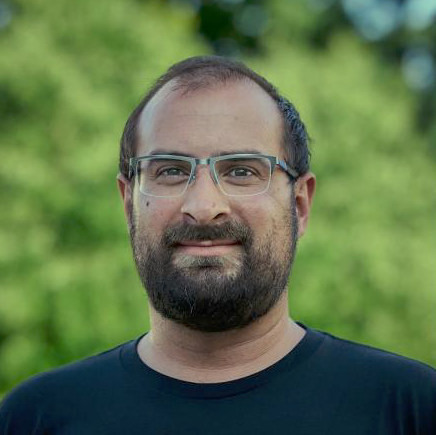
Joey D'Anna
Joey is an in demand colorist and technologist. When he’s not in the color suite you’ll usually find him with a wrench in hand working on one of his classic cars or bikes