EP061: Communities For Post Production
Community Is A Vital Part of Post & Success
In this episode of The Offset Podcast we’re discussing online communities and their value.
Way back when it used to be ‘community’ was those you worked with and people in your local/regional geographic area. At the birth of the modern internet community took on a different form that has progressed greatly over the past 30 or so years.
Some of the specifics we explore this episode include:
- The early days of online communities
- Online forums and the power of search & moderation
- The rise of OEM communities, private training websites and the modern YouTuber
- Evaluating an online community
- Introducing The Offset Podcast Discord community
As mentioned in the episode, if you enjoy the topics and discussion of The Offset Podcast you can join in the conversation with our new Discord community
You can also follow us on Instagram & Facebook – just search for The Offset Podcast.
Be sure to like and subscribe to the podcast wherever you found it and be sure to check out our growing library of episodes. If you like the podcast it’d mean the world to us if you’d consider supporting the show by buying us a cup of virtual coffee –https://buymeacoffee.com/theoffsetpodcast
See you again in about two weeks for a new episode
Video
Transcript
01:00:00:03 - 01:00:14:00
Robbie
Hey everybody, welcome back to another installment of The Offset Podcast. And in this episode, we're taking a look at online communities for post-production. Stay tuned.
01:00:14:02 - 01:00:33:18
Joey
Support for this episode comes from Flanders Scientific and the XMP 270 and XMP 310. The accessible, lightweight and versatile monitors helping to bring HDR monitoring on set while also being very well suited to post-production work. Learn more at FlandersScientific.com
01:00:33:20 - 01:00:40:21
Robbie
Everybody, welcome back to another episode of The Offset Podcast. I'm one of your hosts, Robbie Carman, and with me, as always, is Joey D’Anna. Hey, Joey.
01:00:41:02 - 01:00:42:20
Robbie
Hi, everyone.
01:00:42:22 - 01:01:15:02
Robbie
So, Joey, this was actually from your brain about an idea for a for show, and I thought it was a good one. And that is the idea of kind of just visiting the, you know, online communities and their role, you know, kind of in the current state of affairs of our industry and post, unless you've been living under a rock, you know, the past decade or two, it's pretty obvious that everywhere from Facebook and Slack and Discord to dedicated websites, it seems like, you know, community driven content is a big thing, right?
01:01:15:06 - 01:01:39:06
Robbie
And I think, you know, this for me, is kind of like a funny evolution. And I'm sure it is for you because I feel like community. I don't know, used to be the workplace. Right. And you know, and we've talked about this a lot over, you know, a bunch of episodes that of course everything's changed. More people working at home, you know, more freelancers, blah, blah, blah, blah, blah.
01:01:39:09 - 01:02:14:16
Robbie
But like, you know, I think community is one of those things that you don't realize how valuable it is until it's gone. Right? And, you know, we had been talking about this offline about, you know, kind of what is community. Not that was the first thing that popped in my head like workplace. And that's changed now. And I think that puts like the importance or the, the weight of like a real bona fide community, actually to a little bit, you know, it's a little heavier, it's a little higher level because it really is that important given the current state of affairs and the change in the way that people have been working over the past
01:02:14:16 - 01:02:15:14
Robbie
decade or so.
01:02:15:19 - 01:02:39:03
Joey
Yeah. But even though, you know, yes, we've talked about this, it's a brave new world now of most people are working from home, working remote. The old school post house doesn't really exist anymore in a lot of places, even when it did, even before the idea of working from home was even a possibility because you needed to be in these rooms with millions of dollars of equipment.
01:02:39:05 - 01:03:23:00
Joey
I was still pretty chronically online as a young adult through, you know, most of my career. So that meant seeing the evolution of online communities all the way from early websites to early forums to things like I see Internet Relay Chat, basically the precursor to your slacks and your Discords and all that other modern garbage. So the online component of this, even if you were in the top post house in the world, there was an advantage to the online component because it could take you places and meet people and interact with contexts and projects and things and just information that was never going to come into your sphere of existence before.
01:03:23:03 - 01:03:46:00
Robbie
Yeah, a geographic expanded geographic range, if you will. I think that's true. I mean, I think that one of the things I was going to say about community, besides the workplace, was that community back then was also, you know, people and friends that you had at competing companies, right? Your physical, you'd run into them at a, you know, a happy hour or cocktail party or something, and you'd catch up and it would be like, oh, what are you doing?
01:03:46:00 - 01:04:08:02
Robbie
How are you doing this? How are you doing that? Right? And a lot of that. And then you're right, it expanded online. But I think that, you know, one of the things I really want to explain, explore today is just sort of that idea of the value of community. But then also I think that there's unfortunately, I think that there's currently a vein of community that is there's like a nastiness to some of it.
01:04:08:02 - 01:04:24:22
Robbie
There's also like a take advantage to, to, to, to somewhat, you know, to a certain degree with people just looking to, you know, pulling a little grift on somebody that gets some money for them for something. So I think today I just want to kind of navigate the current state of affairs, of community where it is, how we see it, etc..
01:04:24:23 - 01:04:43:11
Robbie
And then, you know, of course, if you're in our audience, you have any thoughts on this? Feel free to chime in, which is a good reason to tell you to follow us on Facebook and Instagram. You just search for The Offset Podcast. Of course, you can watch the show over on YouTube, and if you are on Spotify or Apple Podcast, you can just search for The Offset Podcast there and find us as well.
01:04:43:11 - 01:05:21:19
Robbie
And if you feel generous, you could always support the show here with this link on screen to buy us a couple virtual coffee. Every cent spent supporting the show goes directly to support the show and the cost that we have to make each episode. So, Joey, let's put our Wayback machine on because I am enough. I know I am old enough to remember, like the the very early days you mentioned IRC as one, and for those who don't know, IRA C and Joey's love affair of Iraq over the past, you know, ten, 15 years, the Joey I've been working together, I would venture to say that the the phrase, the word.
01:05:21:20 - 01:05:43:10
Robbie
I ask comes up at least once a week, right? Whether that's a technical problem I'm having with like, Slack or Discord or for whatever reason, Joey puts on the hat of, you know, back when we were using. I ask, and I have to be honest with you, I think the reason that he has and I'm speaking for you, Joey, the reason that you have such a nostalgic about that was for that thing that you described just a minute ago.
01:05:43:10 - 01:06:08:07
Robbie
It was like, for the first time, you're breaking your geographic bounds, right? In a way that you were talking to an editor in London and, you know, a camera person in LA or whatever. Right. And that felt big. It felt important. It felt like your reach was there. And I agree with that. My first sort of entry into this community world was actually the early days of the internet as well.
01:06:08:07 - 01:06:18:22
Robbie
Not. I ask, but it was more about bulletin board systems and mailing lists, right? Where? And for those of you don't know, like the bulletin board system thing.
01:06:19:00 - 01:06:21:14
Joey
Now to be clear, the air was not the internet.
01:06:21:16 - 01:06:29:01
Robbie
No, it was not the internet. It was its own. I would just say protocol, its own. Like, how would you say that.
01:06:29:03 - 01:06:33:15
Joey
You it was a private group that you could dial directly into with a modem.
01:06:33:16 - 01:06:53:15
Robbie
Right, exactly. And I was big on those because my dad was my dad would had was into a whole bunch of, like, engineering groups and stuff. And I was I was looking at them. And that was my first foray into that where like, you'd you'd get to people who were interested in a thing. Right? And then you discuss that thing, you know, as you waited for your modem to user all the sounds or whatever.
01:06:53:16 - 01:07:02:11
Robbie
Right? And then you connect later. That turned into sort of a hybrid of the s, which I think you maybe call it mailing lists, right?
01:07:02:12 - 01:07:05:21
Joey
Where you. Yeah, mailing lists were very common in the early days.
01:07:05:21 - 01:07:19:00
Robbie
Yeah. Where you would somebody would like email a comment or question or a follow up on something and then you could get that in real time, like a real time stream of that in your email box, or like maybe the next day get like a digest or something like that.
01:07:19:00 - 01:07:33:18
Joey
Yeah. Basically anything anybody that emailed into the group, it would then get forwarded out to the rest of the group. So then somebody else would reply that would then get forwarded out to the rest of the group. And it was ongoing group conversation based around email.
01:07:33:21 - 01:07:53:04
Robbie
And almost every single mailing list that I was ever a member of had the problem where when people were first able to put their vacation responders on to the emails, that everybody was like, bro, turn your vacation responder off, because those were just, you.
01:07:53:04 - 01:07:56:16
Joey
Know, on vacation and you didn't get the thing to turn it off.
01:07:56:20 - 01:07:57:23
Robbie
Right, exactly.
01:07:58:00 - 01:08:11:15
Joey
So all of these early platforms had their disadvantages as well. So when I sit here and be like, well, it used to be better in my day, remember there was like, imagine a storm of I'm on vacation until next week. Emails filling your entire inbox.
01:08:11:16 - 01:08:26:08
Robbie
Yeah. And some of some of the ones that come up as like, I have fun, nostalgic memories of even though they had some pain in the ass factor and more importantly, had some pain in the ass people too. But The Tig, which was the telecine interest group, that was a big one.
01:08:26:09 - 01:08:28:19
Joey
The internet group I believe was the telephone.
01:08:28:19 - 01:08:43:03
Robbie
The internet group, the avid had a couple companies got involved in this. Avid had a very popular, widespread email list that I was on. Were there any others like that that you were around the same time that you were into?
01:08:43:05 - 01:09:03:06
Joey
Tig was the big one for me. I was I didn't I didn't say much in the Tig because I was young and didn't have much to offer, but the the heavy hitters that were on that group and the information that you would get just from seeing it come in and reading it was invaluable. And it was it was an amazing group.
01:09:03:06 - 01:09:16:23
Robbie
And that was really, to be honest with you, like, I agree with you. That was people who, you know, now we lionize the idea of film emulation and color timing and that kind of stuff. Like that group was those people, right? You know, you.
01:09:17:00 - 01:09:33:02
Joey
Would have handling film on a day to day basis, talking about the technical intricacies of it. It wasn't, hey, I want this to look super stylized and cool, like it's hip. It was here's a piece of film in front of me. How do I get this telecine to work with synchronizing this or that?
01:09:33:03 - 01:09:52:19
Robbie
And it was so dorky with like, all of like the EDL and different lists that you could create, like, but even like technical stuff that was just cool about, like, okay, this is my technique for, you know, super glue for gluing these frames together. This is how I play something. Here's what happens if you screw this, that splice up like all stuff.
01:09:52:20 - 01:09:53:08
Robbie
But it did.
01:09:53:09 - 01:10:13:01
Joey
It did evolve into the digital world quite well. And all of these early digital intermediate pioneers were on there as well, talking about the best techniques for dealing with digital imagery. And again, it was one of those places where if you had something to say, it was probably like you were standing at the feet of giants a little bit.
01:10:13:01 - 01:10:21:16
Joey
So there was a little bit of apprehension to say something in a good way, because I was like soaking it in more than interacting totally.
01:10:21:16 - 01:10:44:17
Robbie
And so that kind of was cool. But I think as you kind of alluded to, there was a certain personality type that was drawn to that particular board and to that kind of, you know, the mailing list, the bulletin board system. So then when sort of the web started to get democratized and people could create websites and that kind of stuff, things kind of slowly but surely moved from mailing lists, bulletin board systems to the web proper.
01:10:44:19 - 01:10:55:00
Robbie
And I remember early communities like this, like two pop comes to mind. Creative cow comes to mind. That's creative. I think is actually still running. I don't think two pop is creative.
01:10:55:00 - 01:11:03:16
Joey
Cow was huge. I will this might be blasphemy to some of our listeners. Never got into it. I just never well, I'd never involved in it.
01:11:03:17 - 01:11:19:15
Robbie
It speaks to something that I want to talk about later, and that is the idea of online expertise and acknowledgment of like, because we get you get a lot of that in communities, right? People who want to dominate the conversation, people that are really smart, that just don't care and like, don't want to like, hey, it's not my circus.
01:11:19:15 - 01:11:41:20
Robbie
I'm not going to contribute to this. We'll talk about that. But I agree, you know, that led me to, you know, sort of the OG of color forums, which was lithium again, which has been around for probably 20 or so years now, I'm guessing at this point. And to me, those communities represented a couple things. They represented the geographic expanse thing they talked about.
01:11:41:21 - 01:12:05:07
Robbie
They also they they really represented the idea of like of knowledge sharing, right? That there was like at the time, especially when it came to the world of color. This was not stuff that people were running training websites with, right? They were like, this was hard, that that dark art that, you know, that wizard behind the wall, that was that time frame.
01:12:05:08 - 01:12:28:00
Robbie
Right? And when you would see somebody go, no, this is how you properly load 35 or 16 on a spirit or whatever or. No, this is how, you know, the early days of, you know, whatever an eight, eight, eight system or two K system. This is how like the, you know, whatever controls work. That was really it was like kind of like on sparring.
01:12:28:00 - 01:12:48:18
Robbie
Cool. But it also allowed a young Robbie and I'm sure it did it for a young Joey to go, wow, like, not only are we interested in this stuff, but we like how the communication part of that works. And I think that's that's really shaped your and I career into a lot of degrees. And for me ended up doing writing books, doing thousands of hours of training and so on.
01:12:48:18 - 01:13:12:21
Robbie
Support for this episode comes from Conform.Tools. Conform.Tools allows you to translate timelines between Premiere and Resolve and other NLEs, while automatically solving common issues that normally need to be fixed by hand. Avoid time consuming trim and transfer issues, and securely send large media files to collaborators at a fraction of the size and in minutes instead of hours.
01:13:13:02 - 01:13:30:18
Robbie
With a growing toolbox of features let Conform.Tools, handle the tedious stuff so you can focus on the creative. Built by post professionals, Conform.Tools, helps editors, colorists and conform artists move faster and finish stronger. Learn more at Conform.Tools
01:13:30:19 - 01:13:33:09
Joey
And here's the thing with the online forums, right?
01:13:33:10 - 01:13:57:05
Joey
And I'm going to, throughout this episode, I think, be nostalgic for two things. I ask and online forums because as we'll talk about later, a lot of this has been replaced with Slack and Discord, and those things definitely still have value. There's still really valuable people, personalities, things you can learn, people you can meet. But the format, I think has evolved into something less useful on the whole.
01:13:57:05 - 01:14:20:16
Joey
And the reason I say that is when we had internet forums and we get this also a lot in the world of classic car and motorcycle restoration and operation as well. It's all moved to Facebook groups. And the problem is this I know you've seen it when you go to the Resolve Facebook groups, every other question. You've seen it before because searching in history is almost negligibly impossible.
01:14:20:16 - 01:14:41:15
Joey
That applies to just about every current format of communication, because most of the companies running them sell ads, and they want you to keep coming back and having churn. In the days of the internet forum, it was maybe a little bit more awkward because, yeah, you had like the format if you had to go to a website and log in, it wasn't everything in one place, like a Discord or a Facebook.
01:14:41:15 - 01:15:06:08
Joey
But before I even post a question, I hit a quick search. Oh, where's the preference for this? Somebody already had a post about it. It's already set. What's the torque spec for the subframe on an 1150 GTS from 2002? Refresh the the BMW forum and it's all there with diagrams because somebody already posted it. Try that on Discord.
01:15:06:09 - 01:15:35:07
Joey
Try that on Facebook. It's just there's there's a large like library of knowledge that was established in these forums that has one kind of stopped in time. Right. Most of these forums still exist on the web, and you can still go to them in search. And it's useful, but the, the, the origination, the point, like there's an end date of the valuable information and you just can't get that in a Facebook group or in a Discord group.
01:15:35:09 - 01:15:48:16
Joey
Effectively, it was one of the great advantages of a lift gamma gain. And there were other forums too that I frequented. Quantal had a private user forum. Avid ended up having one after their mailing list that was that was very popular.
01:15:48:17 - 01:15:58:17
Robbie
Well, let's not let us not forget because it's been about four episodes since we've mentioned this. Let's not forget the amazing DS community as well. Okay? I guess that's part of the avid like, yes.
01:15:58:19 - 01:16:18:15
Joey
Well, so the DS started as a user as an email list, right? Then it became a Google group, then it became a part of the avid forum. Guess what? Every one of those is still searchable to this day. If you need to find out how to do something on DS. Thankfully, DS stopped in 2010 and there's no new knowledge to be had.
01:16:18:16 - 01:16:32:20
Joey
But for for the purposes of the modern world, I would like more searchable community resources. And I think that's something that we've lost in this kind of evolution of community.
01:16:32:21 - 01:16:50:06
Robbie
So I hear you, but to play devil's advocate, one of the downsides of, well, I had two downsides or two reactions to what you just said. Number one, one of the downsides is the real time capability of it. Right? And I think you could you could argue that as a downside and as a positive, you could argue both sides of that coin, right?
01:16:50:07 - 01:17:21:20
Robbie
You know, on a forum, you'd post a question, it's an emergency to you and then you're hitting refresh, refresh, refresh, refresh. Did anybody respond to this? Right. Whereas in some of the other, you know, platforms that you mentioned. Yeah, it's a real time kind of response and that has its pros and that has its comes. Right. The other thing that pops to mind is that as specially these days, just I think a societal comment is that I remember back in that time period, moderators being heavy handed, right.
01:17:21:21 - 01:17:30:15
Robbie
Like you would get booted, you would get flagged, you would get yelled at to put this in the right place. It doesn't belong here. And I think one of the things.
01:17:30:16 - 01:17:43:17
Joey
The story for another day, but I've had, well, law enforcement agencies involved in some forum posts when I was in the 1516 year old range of ages.
01:17:43:19 - 01:18:18:13
Robbie
Here's my surprise face joke the. But I think what happened, you know, these days, is that moderation is a really slippery slope because everybody gets pissed off about everything. And so I think one of the downsides of sort of the traditional online forum part has been they have tended to devolve into, you know, cliquey name calling kind of things because moderation has gone like the Facebook groups are a great example of this, that I'm, you know, I'm a member of, like some really good guitar Facebook groups.
01:18:18:13 - 01:18:36:06
Robbie
And I think that they're only really good for two reasons. One, they're very specific and kind of regimented about who they let in. Right? You have to have some level of knowledge proven, etc. like there's a there's sort of a test again, if you will. And then second, they're very well moderated on the ones, you know, a lot of the resolve or post-production groups.
01:18:36:07 - 01:18:51:23
Robbie
Nobody's really moderating all that hard. And so you end up with like a group called like, you know, professional colorist or something. And then it's like, hey, how do I open up the application? And you're like, like what? You know, so there's not it's a lot it's a mixed bag of stuff.
01:18:52:00 - 01:18:54:18
Joey
But but that goes hand in hand with the lack of search.
01:18:55:00 - 01:19:20:17
Robbie
Yeah it does, it does. And I think the those the, you know the, the traditional forum, it doesn't have a 100% analog into the social mediated world. It really does. You know. And so that's a problem. Now one of the things I think that happened as we started moving kind of simultaneously, we eventually, you know, by the mid 2000, a lot of companies were getting involved in this community because they saw soft value in it.
01:19:20:18 - 01:19:43:20
Robbie
Right. Like, hey, if we get everybody a community talking about our tools, that is a focus group, literally a focus group that can help us improve our tools, find bugs, all that kind of stuff. So all the big Om OEMs were involved in this. You mentioned average earlier, Apple. I was part of that ecosystem with the Apple ecosystem doing the I wrote books for the in tech, edited for the Apple Pro training series.
01:19:43:22 - 01:19:54:22
Joey
Did you want to talk about moderation? The most moderated web forum that I ever dealt with in the professional space was the early online quantile forum. Because you needed a serial number?
01:19:55:00 - 01:19:55:22
Robbie
Yeah.
01:19:56:00 - 01:20:12:03
Joey
And I tell you what, I still talk to some of these people. They've been, you know, great resources. You know, now now I'm friends with them in the more modern color grading world. But when I was first starting out learning on quantal, it was again kind of like Tig. It was, you know, standing at the feet of giants, for one.
01:20:12:03 - 01:20:27:05
Joey
But also it was you want to talk about signal to noise ratio, which is a big thing with online communities. This was 100% signal. It was premium level because they took the moderation to the extreme of you had to buy a quantal.
01:20:27:07 - 01:20:27:22
Robbie
Yeah.
01:20:27:23 - 01:20:59:11
Robbie
And you were only doing that if you were invested in a quarter million dollars worth of gear and all that kind of stuff. Yeah, I get it. So I think after that, kind of like as the OEMs got involved in this, that was like, I look back at that period very fondly when the apples and the, you know, the I even before quantiles or same time as quantal, like the discrete and the avid and all the stuff involved in this, I think that those companies kind of realized at that time that like, this is way more difficult than it sounds.
01:20:59:12 - 01:21:14:14
Robbie
We can't really put a value on the people that we are hiring to do this work for us. So you you saw this all the time, right? People would get hired to be like a community manager or whatever. And then like a year later they would get fired because that's the easiest person to let go when things are tight or whatever.
01:21:14:15 - 01:21:39:06
Robbie
Right? So I think after the the OEM push, what happened was and we were part of this as well, sort of like the idea of privatizing training, right? You know, from a in a, in a, in person like the future media concepts of the world were big on that. But then on the online side, like kind of before YouTube, like, you know, we were part of or I was one of the one of the, the co-founders of Mixing Light.
01:21:39:07 - 01:22:16:05
Robbie
Com along with Patrick Inhofer and Dan Moran. We started that in 2011 or 2012. Right? And there wasn't really anything like that. And like clearly after that there's like there was the low pro, low post and groups like that. But then I think by the 2014, 2015 era, 2016. We saw and my personal experience with this having was, you know, I was running the training company, I was running helping run mixing light was this explosion, absolute explosion of YouTube person color and post-production personalities.
01:22:16:06 - 01:22:45:03
Robbie
Really easy to understand why, hey, it's an easy way to to get content. It's free. Just post it up there, create an account, put it out there. But people, I think, sort of bought into that kind of the general societal culture of influencer. And I think, you know, flash forward to where we are these days, not to name names, but you can think of probably right off the top of your head, ten, 12 people that are sort of post-production or color YouTube personalities, right?
01:22:45:05 - 01:22:49:20
Robbie
Yeah. And I'm, I'm 5050.
01:22:49:22 - 01:22:59:06
Joey
It's a hard line to walk here. And I'm going to try to walk it in in the best way possible. Yeah. There are.
01:22:59:08 - 01:23:29:20
Joey
A range from complete, absolute, utter scam nonsense to really knowledgeable, valuable people that are, yes, building their own brand, which I can't fault them for. They, they, they deserve it because they're very talented and they're offering, you know, free and then also other some paid stuff to the community through their their YouTube influence that are super talented, super community driven, really nice people that reach out and help whenever they can.
01:23:29:21 - 01:23:51:06
Joey
There there's that's the range you get on YouTube. And I would say it's about 10 to 1 scam to who I would consider to be. They're awesome. You know what I mean? That's the important thing. You know, it's all just like I said, signal to noise ratio. It's all ratios. One out of ten YouTube color people have value.
01:23:51:07 - 01:23:54:00
Joey
Nine out of ten are a scam.
01:23:54:02 - 01:24:14:11
Robbie
It's it's an interesting dynamic because I think in part part of it is go to YouTube as a as the creator, go to YouTube because it's easy to get started. You don't have to build a back end, build an infrastructure, whatever, right? You just need a camera, an internet connection, and you're recording and putting stuff up, right? So I get it for that reason.
01:24:14:11 - 01:24:31:10
Robbie
But I think that what's happened is that there is, from the consumer point of view, there's no way to to moderate filter, sort of easily consume, digest that content. And I think what the danger is, is that you.
01:24:31:12 - 01:24:36:23
Joey
You already know this stuff. Then you won't be able to tell who's the one who's the nine.
01:24:37:01 - 01:24:55:06
Robbie
Correct. And I think there's a certain like, you know, if you paid for an in-person course or whatever, right. Like, oh, is this part of the official curriculum or whatever? Like there's like there's a lot of ways that could be vetted and sort of sort of litmus test for that. With an online personality, you don't really know in terms of like going to a site like YouTube, right?
01:24:55:07 - 01:25:20:21
Robbie
Like, yeah, you can read likes and comments and stuff like that. But I still see a lot of people who have like, you know, millions of likes. And I'm like, that is just factually wrong information. Right? Yeah. So it puts the I think it puts the, you know, YouTube, especially the rise of the sort of YouTube personality puts the onus on the user or the consumer way more than it puts the onus on the creator.
01:25:20:22 - 01:25:49:19
Robbie
Right. We can get up there and be like, hey, I just I have invented color science. My color science is the best. And if you're not using my color science, it's wrong, right? You think I'm joking, right? There's literally people say stuff like that, right? Exactly right. So I think that's harder for and I also think the thing is about YouTube is that as a community, it tends to be more transient simply because the number of people involved is significantly higher.
01:25:49:20 - 01:26:18:14
Robbie
Right? You could get somebody who's a relatively successful YouTube YouTuber, and they might have 5000 thousand something subscribers, and it's really hard to like to to form bonds or community when you have that many people diving in and diving out, making a random comment, etc. you don't really know who's there and what their expertise are it. So it feels very consumer to me rather than community.
01:26:18:14 - 01:26:41:15
Robbie
But you know, I don't know, maybe, maybe I'm just maybe I'm just old. There seems to be an almost every successful YouTuber, a place where they land, where it is this rub against following and monetization, right? So like, you know, you get big, YouTube starts to pay you, you get ad revenue, etc. but then like, everybody comes out of the woodwork, right?
01:26:41:16 - 01:26:58:06
Robbie
And there's like, why are you doing this for free? Why are you doing that for free? And it seems to me one of the trends that's happened over the past few years, decade or so, is that once you get kind of to be a relatively well-known YouTuber, there's then a shift back to the privatization of this, right? What I kind of think of as like gated communities.
01:26:58:06 - 01:27:18:12
Robbie
And I am I first of all, zero problems with that. I think I understand that, you know, people are free to monetize however they want. What I, what I get a little frustrated about with that kind of model is that it sort of it it devalues the like the content on YouTube clearly becomes a sales and marketing tool.
01:27:18:13 - 01:27:48:00
Robbie
Like, you know, you're right at the place where you're about to find out more. Oh, you can sign up for our community, right? And it's just sort of like, okay. I mean, and again, that's a minor complaint. It's I understand why it's done. It's smart business, the whole nine yards. But I think we're seeing a lot of that happen now where a lot of the popular YouTubers are realizing, no, if I have if I can exercise more control over this community, my earning potential is more.
01:27:48:02 - 01:28:11:06
Robbie
Yeah, I get that. It's just I think that part of me, maybe I have a very naive and I think people will also say, well, Rob, you ran a training website, a four page training website. How can you have this attitude that to a certain degree, I think you follow the same role that like if we know something, there's like, I'm just going to tell you, I'm just going to share it.
01:28:11:06 - 01:28:32:06
Robbie
I'm just going to put it out there. Right. So like I see some of these communities, I saw one the other day, Joey, that was five grand a year. Okay. Five grand. And my question is, first of all, who has five grand just lying around just to be a part of the community. But it leads me into my next thing that I wanted to talk about.
01:28:32:06 - 01:28:55:13
Robbie
And that is the idea of what to be worried about or pay attention to when it comes to a community. And the first one that's always a red flag for me about communities is sort of this cult of personality and sort of insistent on, like, I've built the recipe, I've built the system. Just follow these ten steps and you'll be rich.
01:28:55:14 - 01:29:16:06
Robbie
Right? And there's a lot of that out there. Right. And I think if you talk to any professional colorist, they'll tell you it's not. It's like it's situational. It's learning. It's through experience. It's not about following one set of rules every single time. You know. And I think there's a lot of people out there who are like, they're selling systems.
01:29:16:06 - 01:29:33:05
Robbie
And that's just not how honestly, it's not how real world work happens. You're not sitting down when you sit down tomorrow morning to, you know, color a spot, you're not going cool. Okay. I got four nodes I'm going to balance in this one. I'm going to just do like, you know what I'm saying? Like you might.
01:29:33:07 - 01:29:57:19
Joey
Yeah I think people have it's like the flexibility of the, the million different ways you can approach a project specifically individually resolved. But in all software in general has been a double edged sword of the snake oil salesman coming up with some gigantic formula of, like you said, these ten steps will make everything perfect, and then all of your grades will look the same and match and be wonderful.
01:29:57:19 - 01:30:18:11
Joey
Like, no, nothing ever is going to always be the same, right? It's never going to be a one button. You know, if someone's trying to sell you a single button fix, that's that's your first clue that this is something sketchy, right? If someone saying, here's how I do it. Here's a detailed explanation of how I do things generally, and I'm going to charge you for it.
01:30:18:11 - 01:30:43:09
Joey
And because I think there's value there, and you'll agree as a customer that there's value there, great in your learning things along the process of why, how things were built in that workflow example, let's say I think anybody that is, you know, what we would put in the qualified camp, none of them would ever say this way. I'm prescribing right now in this example is the number one only way to do this.
01:30:43:10 - 01:31:01:02
Robbie
It's the teacher man to fish kind of thing, right? Like it's like, you know, I can give you the way that I do it, but I would always be clear, like, this is the way I did it for this particular situation. Like, it's more about understanding the thought process, the motivation, what goes into it rather than because like.
01:31:01:03 - 01:31:23:01
Joey
And even if you're like me, where generally most of my projects have the exact same setup, I'm pretty dogmatic about that, and I evolve it over time. But in general, yeah, I use the same recipe as a starting point. Granted, there's much flexibility built into it on purpose. I would never claim this is the only way. That's the that I feel like is the the key differentiator.
01:31:23:01 - 01:31:33:12
Joey
If someone is charging you money and then also saying it's my way or the highway and everything else is wrong, that's the biggest red flag you're going to get.
01:31:33:14 - 01:31:42:15
Robbie
Yeah. I mean, a related thing on that related riff is this kind of the constantly revolving door of upsell drives me crazy to about a lot of these. I told.
01:31:42:15 - 01:31:45:16
Joey
You last week that this was the be all, end all, but.
01:31:45:17 - 01:31:46:05
Robbie
Now I have.
01:31:46:05 - 01:31:48:18
Joey
A new all end all to right.
01:31:48:18 - 01:32:24:08
Robbie
Exactly. And it's just sort of like, well, if you just pay for this particular session, I'll give you the five inside secrets that you need to like. And to me, it feels that kind of marketing, while I understand it, you know, it works to a large degree. It feels particularly predatory to me that you're especially for the younger person just getting in who, you know, they might idolize whoever's talking and they go, oh my gosh, I could learn how to do it if I okay, you know, the next thing you know, they're borrowing 500 bucks for mom and dad or whatever.
01:32:24:08 - 01:32:29:16
Robbie
And it's just sort of like. And no, like it's a slippery slope. Like I said.
01:32:29:21 - 01:32:36:17
Joey
You know, you just put a bunch of money into this. They somebody said it was the greatest thing ever. And now they're coming out saying, this is the new, greatest thing ever.
01:32:36:19 - 01:32:37:11
Robbie
It's a hard.
01:32:37:11 - 01:32:40:21
Joey
About what I just bought before that. That was supposed to be the greatest thing ever.
01:32:41:02 - 01:33:04:07
Robbie
Yeah. And I guess it's I and again, I don't know how to articulate this very well, but I understand the slippery slope of this. The creator needs to make money. They need to earn income. Their knowledge has value, right? I get that. I guess what I'm an acting more to is just sort of the the sometimes sleazy used car salesman aspect to that, which I don't think is great.
01:33:04:08 - 01:33:24:07
Robbie
Like if you have a great plugin or a great workflow or whatever. No problem telling everybody about it. But the idea of like selling it about like, hey, you can only achieve these results if you pay me another $500 to get this secret knowledge. I'm like, nah, bro. Like, it's not that secret. I'm good, you know?
01:33:24:09 - 01:33:30:02
Joey
And there's just there's just there's too much of that out there. And it's like you said earlier, it's hard to filter that out sometimes.
01:33:30:03 - 01:33:50:17
Robbie
Yeah. And likewise, you know, kind of the idea of like, you know, very community, community driven, very like complex participation rules like, hey, you know, you only get this if you sign up for this at that particular time and like all that kind of stuff and it's like, do you want me to participate or do you want to just like, have hoops for me to jump through?
01:33:50:18 - 01:34:14:10
Robbie
Right. And so I'd be wary. I'd be wary of that too. For me, what community really is about is honestly, it's about the common interest. Obviously that makes sense, right? But it's more about like the friendship, the fellowship that occurs. It's about respect for those who are in the community. It's about learning from people, you know, those kind of things.
01:34:14:11 - 01:34:40:21
Robbie
And like I will say that probably in the past ten years, some of my good, you know, closest friends are people that I've met through these communities, right? And I've gone on to meet in real life and have dinner with and do things with and whatever. And to me, I think when you lose sight of that, when you lose sight of community is about what do you say with, say, Joey, that this business is a people business?
01:34:41:01 - 01:35:07:06
Robbie
I think when you lose sight of that in the community aspect that can have issues as well. Support for this episode comes from Flanders Scientific and Gaia Color Direct Connect Volumetric Auto Cal. Calibration of reference displays is critical in our industry, and there's no easier way to calibrate than by using Gaia Color, which is standard on DM, XMP, and XMP C series monitors.
01:35:07:07 - 01:35:24:11
Robbie
Gaia Color calibration allows supported probes to be plugged in directly to the monitor for fast, accurate, and automated calibration. With no computer or operator expertise required. You can learn more about this powerful system at Flanders Scientific com
01:35:24:13 - 01:35:25:20
Joey
We've talked about.
01:35:25:21 - 01:35:57:15
Joey
A million different kind of formats for these communities to exist in. The one thing that hasn't changed across all of those formats is you're connecting with people that otherwise you would not have been able to because they might not be in your geographical region or in your immediate business or in your immediate circle of collaborators. That's the key thing right there is you get involved in these communities because it gives you access to people that you would have normally never had the opportunity to meet or talk with, and you have value to bring to that as well.
01:35:57:15 - 01:36:01:23
Joey
When you come into the community and become a resource for all of these other people all over the world.
01:36:02:04 - 01:36:29:06
Robbie
Totally. And it's, you know, I think the one thing that I would always say, you know, whether you're, you know, Steven Nakamura or whether you're a young kid who just graduated high school in your interest in this stuff. Right? The idea that you never really know who you're talking to in an online situation there. So therefore, like the idea of like respect, deference, understanding should always come into play, right?
01:36:29:06 - 01:36:57:23
Robbie
Like the idea of being like it's a subtle difference, you know, being like, hey, that's a stupid workflow is a lot different than that's an interesting workflow. Could you tell me more about that? Like subtle difference, right. And so like I think a lot. That's why I said respect earlier because I think a lot of these communities, they, they when they when they go bad, they tend to get a lack of respect, a lack of, you know, sort of good communication protocols and they just devolve into name calling.
01:36:58:00 - 01:37:13:16
Robbie
Right? Just as we see on Facebook's and other places like that as well. The last thing I wanted to mention here about the community aspect of this too, is that, you know, I think, I think the idea of.
01:37:13:18 - 01:37:33:02
Robbie
How should I say this, the idea of sort of moderators or owners or whatever in their participation, I think sets a big tone for this kind of thing. Right? If you just I think everybody listening has probably been a part of a group where it's like, you have no idea who the leadership is, you have no idea who the moderators are.
01:37:33:02 - 01:37:55:23
Robbie
And it just seems like the Wild West to me. I think we need to bring some of the. And not saying like a heavy like with, you know, kind of heavy handed whip kind of thing about this. But like one of my frustrations about a lot of these communities is that they are just free for all. And I think the best communities operate when there is a shared set of guidelines that everybody knows, and there's a shared sort of enforcement of those guidelines, right.
01:37:56:00 - 01:38:10:21
Robbie
If you see somebody being a pain in the ass and being mean to somebody, say something, report it, right. I think we can. And there are certain people, what do they call those people? Trolls. There are people who just get off on being like, I mean, Joey's kind of a troll sometimes, but.
01:38:10:23 - 01:38:33:02
Joey
And it's funny because I was going to say it depends on the type of the community, because I tend to to gravitate towards less moderation because, well, it's funny because we've talked about things like online forums, which we would, you know, categorize as asynchronous, right? And then you get to a real time chat scenario like a Discord or a slack, which is more synchronous in real time.
01:38:33:02 - 01:38:58:09
Joey
I feel like the moderation approach to each of those should be dramatically different. I sure I've seen so many synchronous things on like Discord and Slack that try to be more regimen than a real time stream of text ever should be. And that's where a lot of those communities really fall down, where you have a conversation that, yes, there's going to be no history to this.
01:38:58:10 - 01:39:12:23
Joey
It's not going to be searchable. So we lose some value there. But this conversation is meandered from one thing to another thing to another thing to another thing. And it's you've started, you know, you've made it to learn ten different things along the way. But now you're in the wrong channel for this. Yeah.
01:39:13:00 - 01:39:33:20
Robbie
I see, I see no, I see what you're saying. I think that I should rephrase a little bit because you're absolutely right that that can be just as pain the ass to deal with. Then. Then the opposite. I think it's more about the idea that when you become a member, you sort of instill kind of like this shared community ethos and things.
01:39:33:21 - 01:39:57:12
Robbie
Right? Not necessarily mean, like wagging your finger of, like, you posted this in the wrong place, you're banned for life. Yeah. Like that's yeah, that's not that's not what I'm talking about. It's more of just that, like there is a sense of the sense of it takes a village, it takes a community to do this. And everybody's kind of watching each other's back and operating with a sense of, you know, everybody's here with good intentions, right?
01:39:57:13 - 01:40:13:17
Robbie
And I, I think when, when that's not the case, you get the one guy who just wants to ruin the party for everybody. And that's that's no fun either. So that's cool. So on that end, Joey, I think that, you know, you and I have been talking a lot about kind of the idea of community and what it means to us.
01:40:13:17 - 01:40:30:10
Robbie
And, you know, over the past three years, we've loved doing these episodes. We do them every two weeks. And, you know, we've done this is episode 61. Thank you for all of our listeners getting out there for our sponsors, Conforme Tools and Flanders Scientific. You've made the past three years fun, but now we're ready to kind of just like widen this a little bit.
01:40:30:10 - 01:40:49:01
Robbie
And so to that end, Joey and I have to started sort of we're not committing to this full time, but just sort of as see how it goes kind of thing. Joey and I have launched a public Discord for The Offset Podcast. You can join right here with this invite link right on screen. We'd love to have you over there.
01:40:49:01 - 01:41:21:01
Robbie
Now just to to preface this a little bit, Joey, because Mr.. I ask has very distinct ways and beliefs on how things like this should work. We're going pretty simple with our approach, right? We have we have a lounge, which is sort of, you know, talk about this or that, whatever kind of come to mind. We have a questions forum which operates a little bit more like a traditional forum post something that you're interested, get asynchronous responses back and we may in the future add 1 or 2 more channels.
01:41:21:01 - 01:41:37:14
Robbie
But that's pretty much all we got right now, right? Because we want to keep it simple. We want to keep it fun. We don't want to be bogged down by a system. And but we will, you know, ebb and flow and grow and contract as need be as as people join us. So feel free to come over to to that Discord and join us.
01:41:37:16 - 01:41:56:19
Robbie
We'll be participating as often as we can with, you know, our regular workload and life and family and all that kind of stuff. But we encourage you to come over, introduce yourself, tell us a little bit about what you do and you know, it's going to be it's just getting started. There's only a handful of people in there now, but hopefully over the next couple of weeks, as we advertise this a little bit more, we get more people, people joining us.
01:41:56:19 - 01:42:17:14
Robbie
So we invite you if you have Discord or want to have a chat, feel free to join us again here. This invite here on screen we hope to hope to see you over there. So Joey, good stuff. I mean, I think that community, it's vital to our industry and it's probably more vital now in these weird times for the media, business and post-production than it ever has.
01:42:17:15 - 01:42:34:14
Robbie
And I think that, you know, the last thing I want is for somebody to feel like they're out on their own island and, you know, there's nobody to to chit chat with about technical things, creative things, business things, whatever. Hopefully we can provide a little help with that in a low key, relaxed kind of way with with this effort for our Discord.
01:42:34:14 - 01:42:39:13
Robbie
So we hope to see you over there. Yeah. Any other thoughts on community?
01:42:39:15 - 01:42:41:21
Joey
No, I think we've we've we've covered it.
01:42:41:22 - 01:43:01:02
Robbie
Cool. Good stuff. All right. Just as a reminder, you can always follow us on Instagram and Facebook. You can check out the video version of the show over on YouTube, where you can also leave comments. You can check out our complete library of episodes at the offsetpodcast.com, including some additional show notes from time to time. And that's again where you can also submit a question.
01:43:01:08 - 01:43:06:20
Robbie
By the way, if you join the Discord, that's another great place to give us some ideas for some episodes. We'd love to here.
01:43:06:22 - 01:43:09:06
Joey
Yeah, it's a bit selfish in that way, but please.
01:43:09:07 - 01:43:27:23
Robbie
Yeah for sure. And just as a reminder, we do release the show every two weeks, so we'll be back in about two weeks. And big thanks to our our sponsors conform to Conform.Tools and Flanders Scientific. They've been with us for a while and they are fantastic. So feel free to visit them. They're doing some really, really fun stuff these days.
01:43:28:00 - 01:43:31:16
Robbie
All right man. So for The Offset Podcast I'm Robbie Carman.
01:43:31:17 - 01:43:33:16
Joey
And I'm Joey D’Anna. Thanks for listening.

Robbie Carman
Robbie is the managing colorist and Founder of DC Color. A guitar aficionado who’s never met a piece of gear he didn’t like.
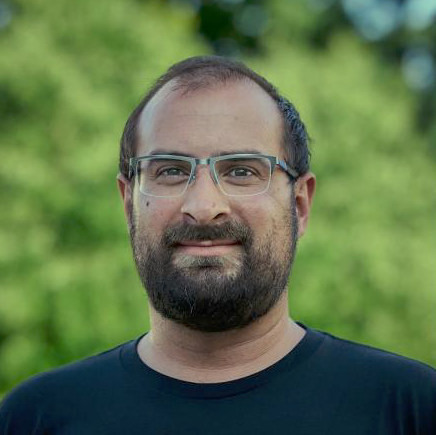
Joey D'Anna
Joey is an in demand colorist and technologist. When he’s not in the color suite you’ll usually find him with a wrench in hand working on one of his classic cars or bikes